


A worried homeowner has turned to Reddit after spotting rats nesting on their neighbor's shed and finding themselves caught between two bad options: do nothing, or warn the family and risk triggering a cascade of animal deaths.
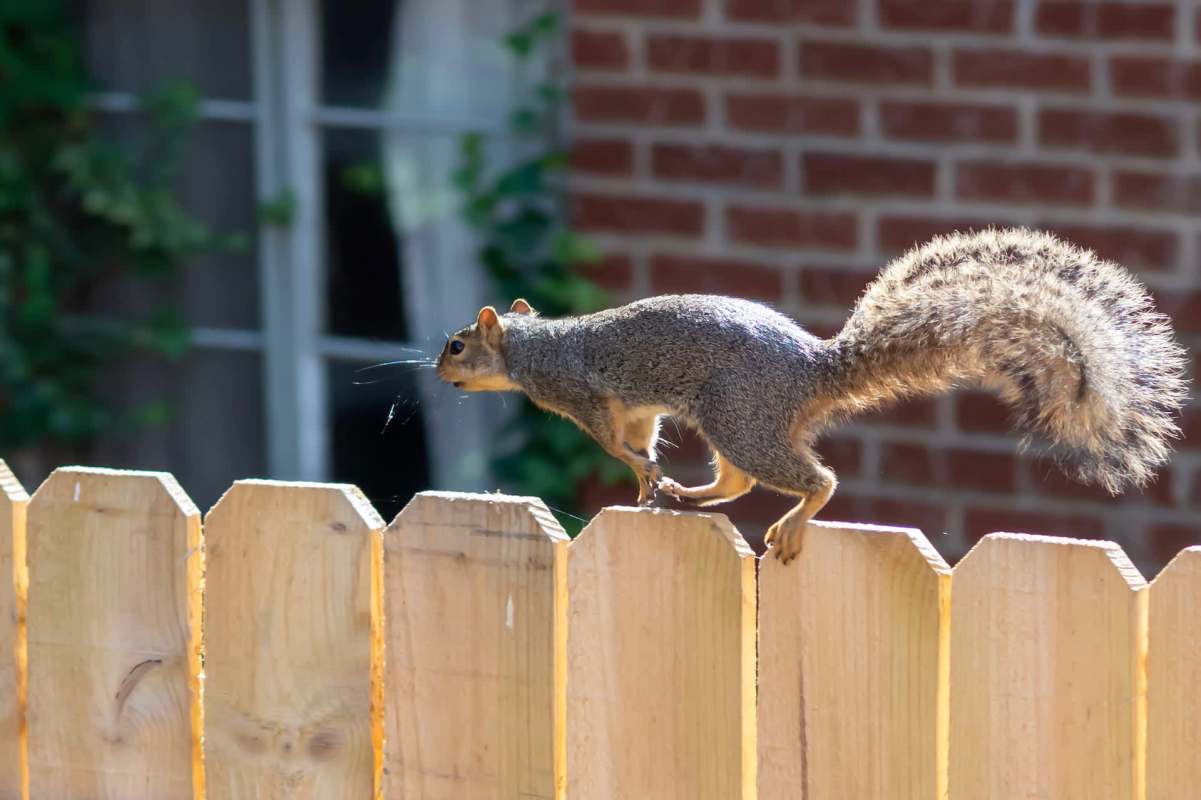
The post, shared in r/squirrels, struck a chord with users who care about backyard wildlife and community cooperation. The homeowner explains they regularly watch and feed local squirrels, naming and photographing them. But now, with rats scurrying across the neighbors' roof and young children next door, they fear the family might respond with rodent poison — a danger to far more than just rats.
Reddit commenters quickly reminded the poster that rodenticides don't stop at one species. The toxins can move up the food chain when predators eat contaminated rodents, killing hawks, owls, foxes, cats, and even the squirrels the homeowner loves.
"Rodenticide poisoning is one of the leading causes of death in raptors and birds of prey," one user wrote.
Another added, "That one rodent poison can kill a chain of animals. Rat eats poison, snake, cat, hawk, owl — they all die and are the same as a squirrel."
This dilemma highlights how even small property disputes can complicate climate-friendly and humane pest management. Toxic baits may seem like a quick fix, but they pose a serious risk to ecosystems and neighborhood pets.
Fortunately, there are safer alternatives — including sealed trash bins, motion-activated deterrents, and snap traps placed in secure boxes that prevent non-target animals from exposure.
TCD Picks » Quince Spotlight
💡These best-sellers from Quince deliver affordable, sustainable luxury for all




Experts also urge homeowners to communicate directly and calmly with neighbors when possible, framing the issue around shared safety rather than blame. If that fails, one commenter advised, "If they are the kind of neighbors who will use it anyway (it's a horrible way to die, as are glue traps), then you can report them to Animal Control."
As local communities push for more sustainable pest control policies, these everyday interactions — and the empathy behind them — can make a tangible difference in protecting urban wildlife and the people who live alongside it.
|
Do you worry about having toxic forever chemicals in your home?
Click your choice to see results and speak your mind. |
 Majorly 😥
💰Get TCD's free newsletters for easy tips to save more, waste less, and make smarter choices — and earn up to $5,000 toward clean upgrades in TCD's exclusive Rewards Club.






