


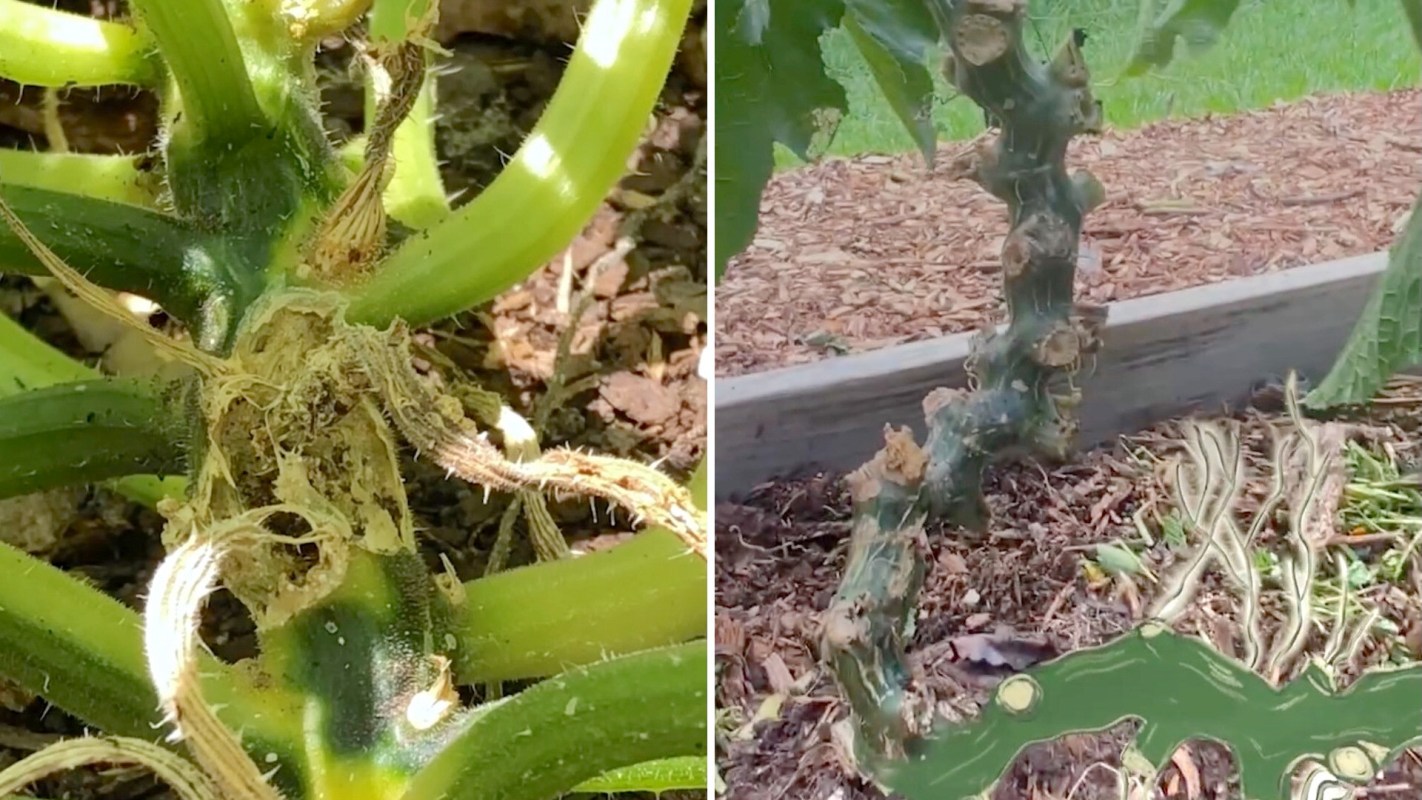
Even after a squash plant is damaged in midsummer, the harvest is not necessarily over. Home vegetable gardener and Instagram creator Log Off & Garden (@logoffandgarden) has a simple fix that helps a struggling plant keep producing instead of ending up in the compost.
What happened?
On July 28, they posted a look at how they handled damage to a squash stem, aiming to keep the plant alive and productive.
Rather than replacing the plant and starting over, the post focuses on saving it, giving gardeners a practical option when a squash stem is damaged midseason.
The tip is simple for gardeners. If vine borers have weakened the plant or it is so tall it isn't hanging right, it's not time to give up. Instead, gardeners can dig a hole for the damaged or excessive part of the plant to take off.
Cover that with soil, and the creator reveals the squash plant will put out secondary roots to extend its lifespan and generate new squash. If a plant can recover, gardeners may be able to keep harvesting instead of starting over.
The creator joked at the end that the downside of the hack is that gardeners might get tired of so much squash.
TCD Picks » Quince Spotlight
💡These best-sellers from Quince deliver affordable, sustainable luxury for all




"Not sick of squash yet!" a user responded. "Still learning what else to make with it."
Why does it matter?
Squash is one of the most rewarding crops for beginner and experienced gardeners alike because a healthy plant can produce heavily. But when a stem is damaged, that productivity can disappear quickly, taking with it time, effort, and grocery savings.
"I wish I had seen this 6 hours ago before i went out and bought a new giant post for my plant," a user wrote.
Growing your own food can help lower produce bills, especially for high-yield crops like zucchini and yellow squash that can really add up over the course of a season. Homegrown vegetables also tend to taste better because they can be picked at peak ripeness rather than shipped and stored.
Gardening gets people moving, encourages time outdoors, and can support mental well-being by providing a calming, hands-on routine. Saving a struggling plant can help protect the money, meals, and personal satisfaction that come with growing food at home.
What can I do?
Checking plants regularly for stress, wilting, or stem problems can help gardeners act early. Catching damage before the entire plant collapses gives them a better chance of salvaging the harvest.
The creator clarified in the comments that growers would have to ensure the vine borers were off the plants to allow them to succeed in the soil.
Gardeners who want to build a more resilient backyard food supply can start with easy, productive crops and learn low-cost strategies for keeping them healthy.

Get TCD's free newsletters for easy tips, smart advice, and a chance to earn $5,000 toward home upgrades. To see more stories like this one, change your Google preferences here.






