


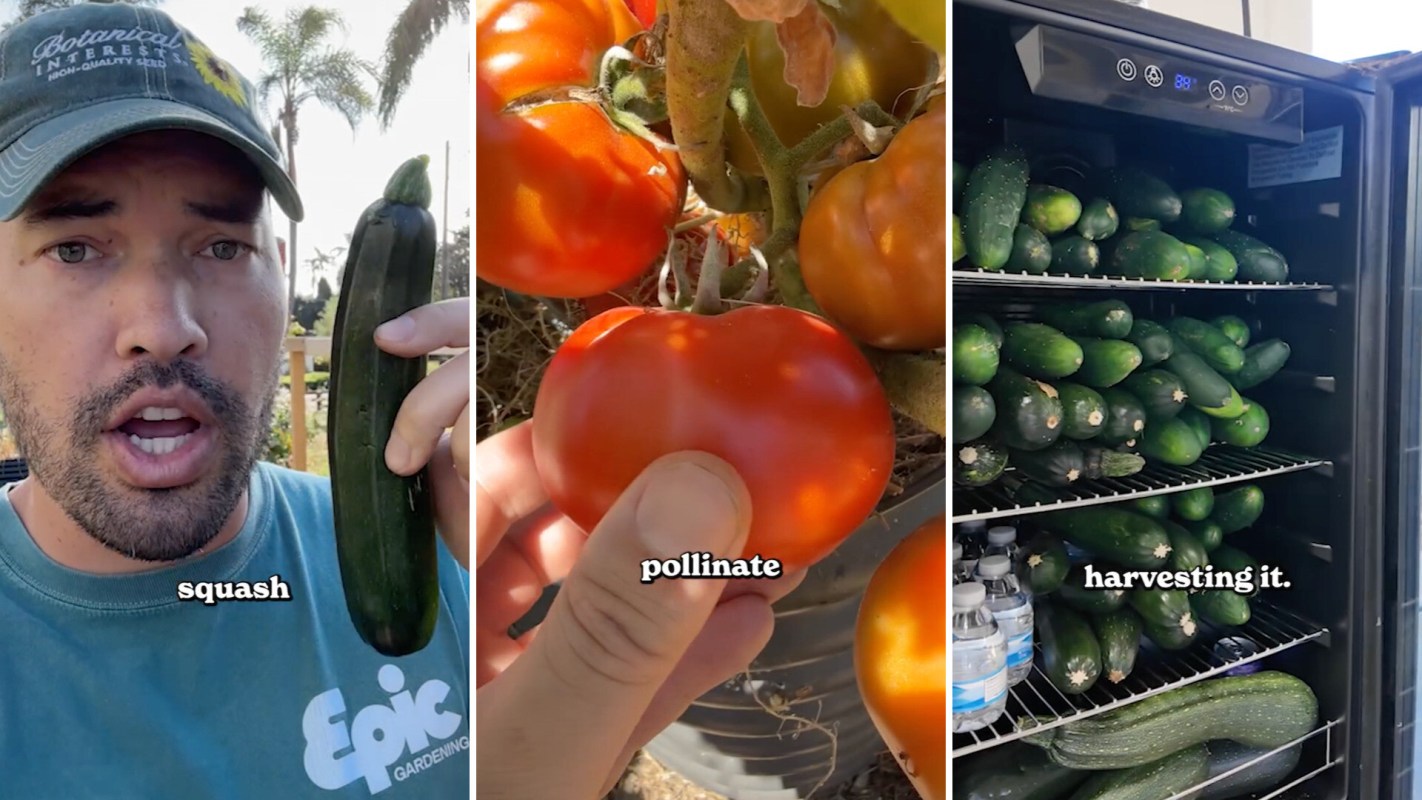
A gardener's simple flower trick is giving home growers a better shot at bumper squash harvests — and it starts with understanding that zucchini, pumpkins, and butternut squash all play by the same rules.
The advice could be especially helpful for anyone with healthy-looking plants who keeps wondering why the fruit never seems to fully develop.
In an Instagram reel, Epic Gardening (@epicgardening) explained that many popular summer and winter squash varieties belong to the same plant family and usually thrive under similar conditions.
After more than 10 years of gardening, he said he learned that these plants need "a lot of organic matter" and recommended adding plenty of compost and planting each one on a mound.
Squash plants are heavy feeders. Rich compost helps support the rapid leaf and fruit growth they are known for, while a mound can improve drainage, warm the soil more quickly, and create a better environment for roots.
Tomatoes mostly self-pollinate, while squash plants have separate male and female flowers. If pollinators do not move pollen between them, gardeners may end up with fewer fruits or fruit that fails to fully form.
TCD Picks » Quince Spotlight
💡These best-sellers from Quince deliver affordable, sustainable luxury for all




His solution was simple: gardeners can hand-pollinate by using a male flower to move pollen onto a female flower. If it works, he said, gardeners should soon see squash forming in the middle.
Once conditions are right, squash plants can produce heavily, helping households save money on store-bought produce during peak growing months.
Homegrown squash is often fresher and more flavorful than produce that has traveled long distances, and gardening itself can support both physical activity and mental well-being.
The advice points to a common mistake: treating cucurbits like lower-maintenance vegetables.
These plants usually need soil with more nutrients, extra room, and more even moisture than many beginners expect. When those needs are met, they can become some of the most productive crops in a backyard garden.
Better squash harvests start with the soil. Finished compost mixed into a garden bed and a raised mound for planting can help.
Consistent watering at the base of the plant and the use of mulch can help the soil retain moisture and suppress weeds.
Male flowers supply pollen, while female flowers are the ones that can develop fruit.
If bees and other pollinators are scarce, hand-pollinating can be a quick, low-cost way to improve the odds of success.
"Pretty soon, you'll get more squash than you know what to do with," the gardener said.

Get TCD's free newsletters for easy tips, smart advice, and a chance to earn $5,000 toward home upgrades. To see more stories like this one, change your Google preferences here.






