


Swampscott is now among the Massachusetts communities where spotted lanternflies have been confirmed, widening the documented range of an invasive insect that can damage many kinds of plants.
For farmers, homeowners, and communities that value healthy trees, shrubs, and vines, the detection is a warning sign that closer monitoring may be needed.
Here's what to know
According to the Swampscott Tides, the Massachusetts Department of Agricultural Resources has verified that spotted lanternflies are now present in Swampscott.
Native to Asia, the spotted lanternfly is an invasive insect that feeds on sap. Its first detection in Pennsylvania came in 2014. After this, Pennsylvania State University scientists warned that their impact on the economy could be devastating. In one estimate, PSU researchers said these invasive insects could cost the Keystone State's economy a whopping $324 million every year if not contained.
The insect feeds on far more than the also-invasive tree-of-heaven, even though that species is its primary host. Many other trees, shrubs, and vines can also attract spotted lanternflies. As a result, the pest is not confined to one landscape type, and it could affect residential yards, community green spaces, and other planted areas. Vineyards are especially at risk.
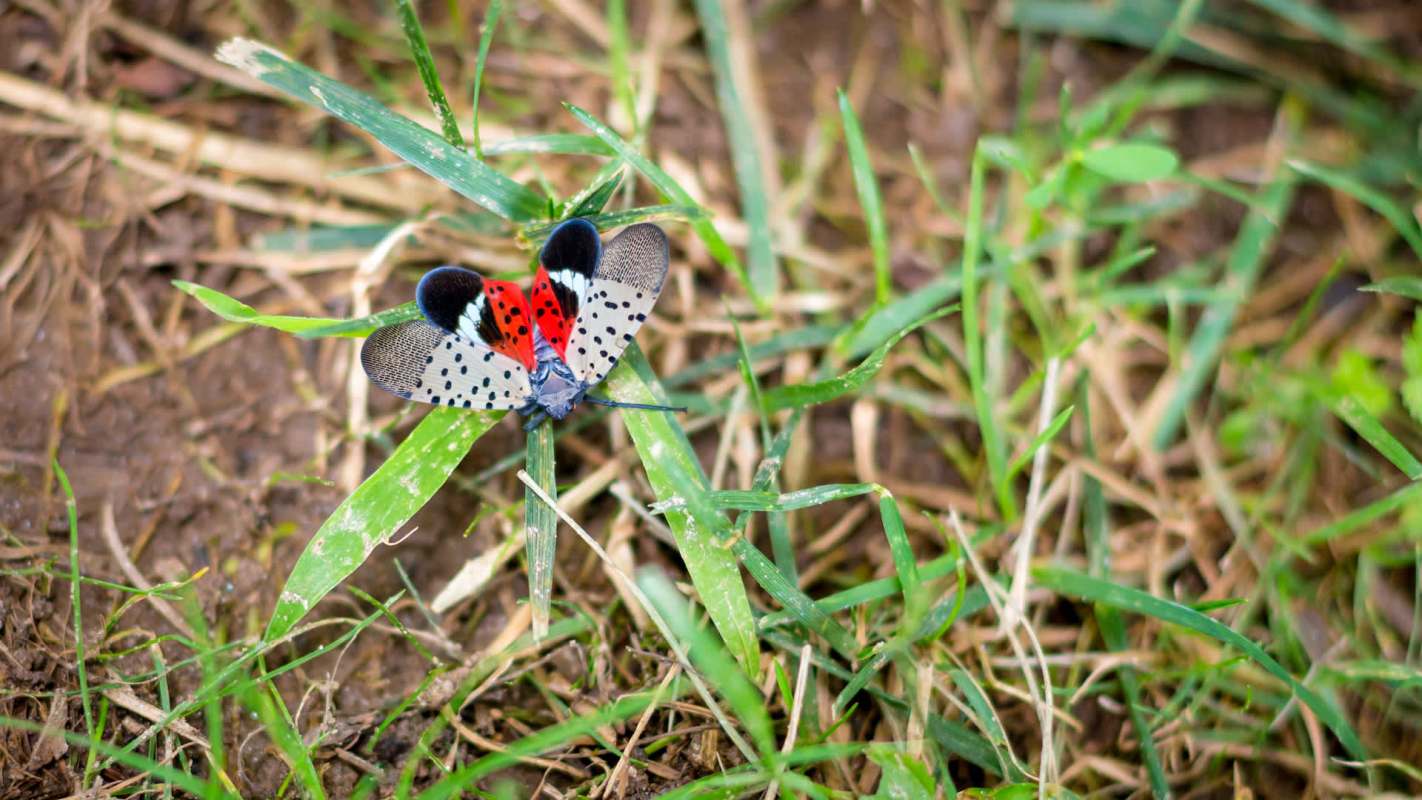
In winter, residents may spot gray egg masses on smooth surfaces that the Massachusetts Department of Agricultural Resources says resemble mud. When adults are present, they are fairly distinctive, with brownish-gray forewings marked by black spots and red hind wings. And when you see them, stomp them.
TCD Picks » Quince Spotlight
💡These best-sellers from Quince deliver affordable, sustainable luxury for all




More background
Swampscott's spotted lanternfly detection is a local development with broader implications for New England's trees, shrubs, vines, and public green spaces.
As it spreads, this sap-sucking insect can weaken plants used for shade, beauty, privacy, and neighborhood character. That risk extends to local plant life, including the trees and vines that shape streets, yards, and public spaces.
Another seasonal sign shows up in winter, when gray egg masses can appear on smooth surfaces. Adults, by contrast, typically emerge around mid-summer.
Learning what the insect looks like at different stages can help with identification. Adults have the most visible markings, but winter egg masses may be the first sign on a property.
People can also pay close attention to trees, shrubs, and vines around their homes, especially if tree-of-heaven is present nearby. Since the insect feeds on multiple host plants, a quick visual check of outdoor areas may be more useful than focusing on just one species.

Get TCD's free newsletters for easy tips, smart advice, and a chance to earn $5,000 toward home upgrades. To see more stories like this one, change your Google preferences here.






