


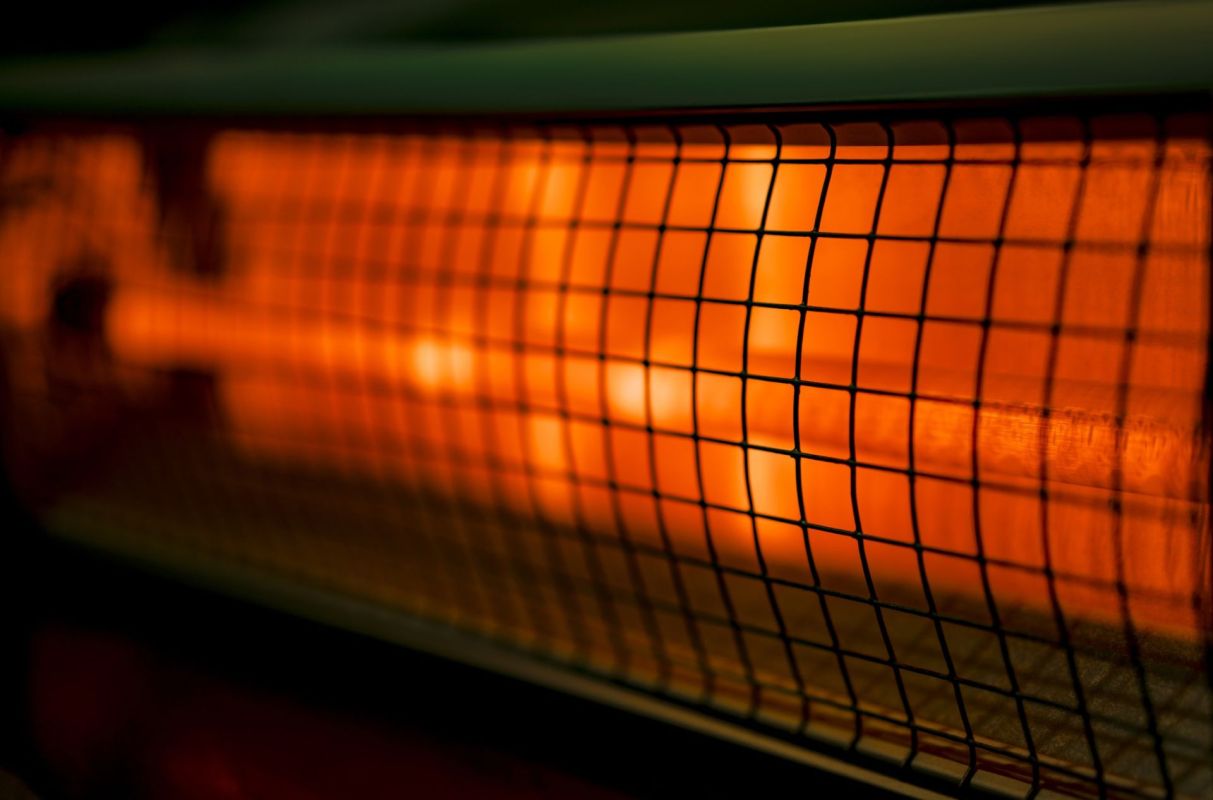
A renter trying to keep their home comfortable found that even with the thermostat set to 61 degrees, the upstairs temperature reached 74.
Adding a space heater downstairs helped cool the upper floor but raised a question about whether the change would lead to a higher power bill.
Here's what to know
The heating fan ran constantly despite its automatic setting because the downstairs remained so cold, the renter wrote in a Reddit post shared with the r/Frugal community. The home had ceiling vents and only one thermostat, located downstairs.
"Am I saving power, using more, or likely evening out?" the renter asked.
They elaborated that the upstairs felt less hot after the renter put a space heater in the living room for an overnight guest.
With the space heater set to 65, the upstairs temperature fell to 66-69 degrees, the renter explained in a comment. Their usual readings had been 55 downstairs and 72-74 upstairs.
TCD Picks » Quince Spotlight
💡These best-sellers from Quince deliver affordable, sustainable luxury for all




More background
While the space heater appeared to make both floors more comfortable, the renter said, "I don't want my power bill to increase at all."
Commenters focused on whether reducing unnecessary heating upstairs could offset the added electricity use downstairs.
One commenter noted that resistance-based central heating and a resistance space heater use the same basic heating method, making the distribution of warm air an important consideration. They said operating costs depend on whether the central system uses electric resistance heating, a heat pump, or natural gas.
"Balancing the temperatures correctly should be cheaper," they suggested.
Another commenter suggested letting the downstairs stay cool overnight if all the bedrooms were upstairs, with the thermostat lowered until the upper floor felt comfortable. Focusing heat on occupied areas and turning it down elsewhere could help lower costs, they said.
What can be done?
For this renter, restrictions on changes to the home limited the options. They explained that they could neither move the thermostat nor install a downstairs ceiling fan.
"If you can't add a ceiling fan, how about a floor fan that can aim up?" one commenter offered.
Another suggested a smart thermostat with sensors on each floor. Others recommended having a heating professional assess airflow and determine whether adjusting dampers or balancing the system could help address the temperature difference.
The renter welcomed the idea of closing upstairs vents. Another commenter, however, reported that their own heater had failed after they tried that approach.
One user said a heated blanket for personal warmth and a 20-inch shop fan aimed toward the upper floor helped mix air between floors.
"A space heater isn't a bad idea for when you have guests," they added. "Just be aware that if the space heater is anywhere near the thermostat, it will throw off the temperature of the whole house."

Get TCD's free newsletters for easy tips, smart advice, and a chance to earn $5,000 toward home upgrades. To see more stories like this one, change your Google preferences here.






