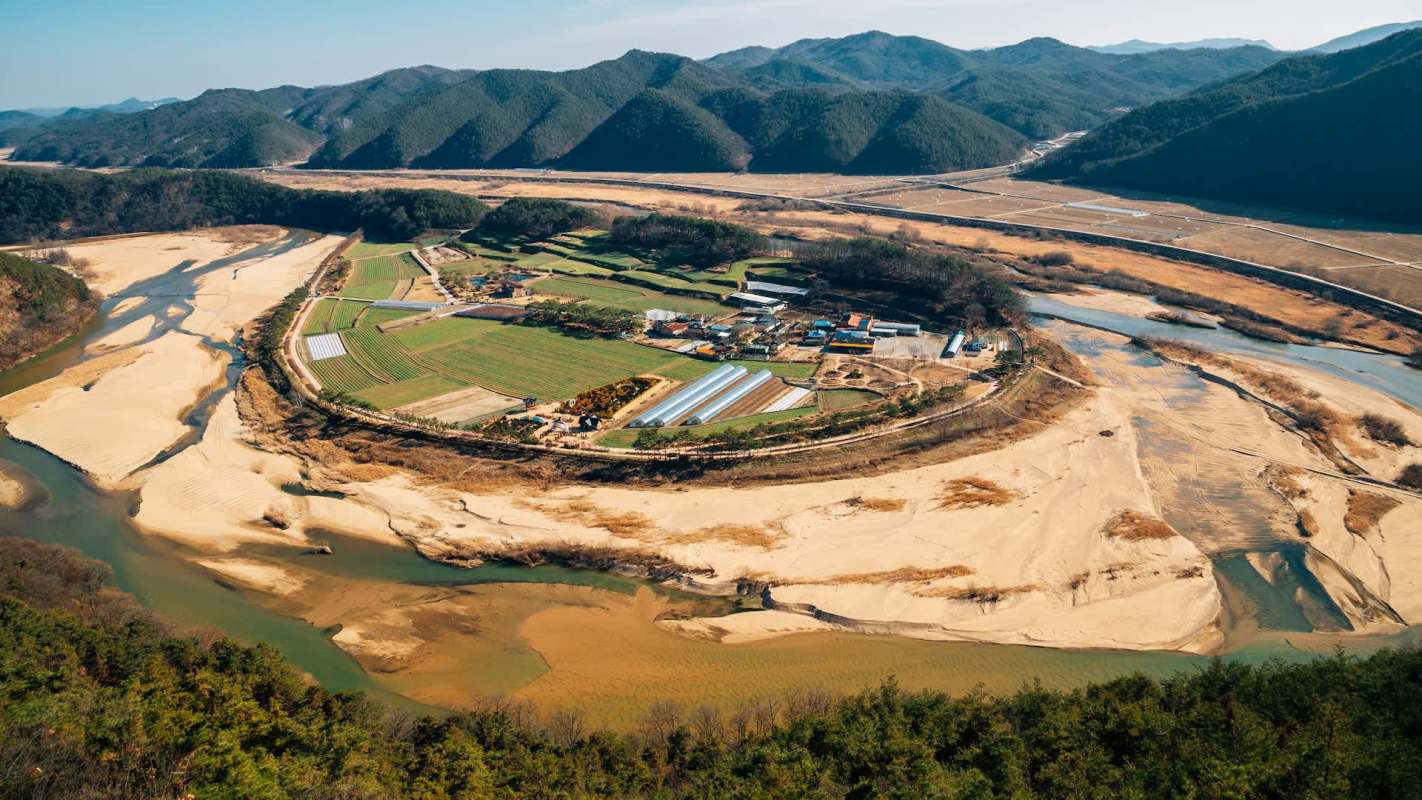
South Korea is sending fire trucks not to put out a fire, but rather for a more unexpected use.
Here's what to know
As The Korea Herald reported, authorities have ordered a nationwide firefighting deployment to move water into South Gyeongsang Province, where reservoir storage has fallen to an average of 33.5%.
Working with local governments, firefighting crews from across the country will deliver water to households, water sources, and other drought-hit areas in South Gyeongsang Province, the outlet said.
The mobilization includes about 200 trucks and 400 firefighters from 16 departments as worsening dry conditions strain local supplies.
Data cited by The Korea Herald from the Agricultural Drought Management System show how serious the situation has become. South Gyeongsang's average reservoir storage rate is 33.5%, the lowest in the country, compared with a national average of 72%.
17 of South Gyeongsang's 18 cities and counties are under agricultural drought alert, and Miryang, Geoje, and Haman are at the top "severe" level, per the paper.
TCD Picks » Quince Spotlight
💡These best-sellers from Quince deliver affordable, sustainable luxury for all




In photos, the Korea Herald showed firefighters supplying water to drought-ridden rice fields, alongside a photo of the dry Bangsong Reservoir.
More background
Fire departments are typically associated with fast-moving emergencies such as fires, crashes, and rescues, but in this case they are being used as a logistics network to help ensure steady access to essential water supplies.
Water scarcity can lead to household restrictions, crop losses, pressure on livestock operations, business disruptions, and higher food prices. South Korea is no stranger to these conditions, as Gangneung endured a drought that lasted into late 2025.
Even when national conditions appear stronger overall, a single hard-hit province can still face severe shortages that require emergency help from the rest of the country.
TCD Picks » Quince Spotlight
💡These best-sellers from Quince deliver affordable, sustainable luxury for all
In this case, the drought is hitting both drinking water and rice fields, as The Korea Herald noted.
What's being done?
For now, the priority is getting water into the areas under the most pressure. By deploying trucks and firefighters from across South Korea, officials are trying to bolster water supplies, relieve communities facing the sharpest shortages, and prevent local systems from slipping further behind.
Drought response typically depends on a mix of stronger storage planning, conservation measures, infrastructure upgrades, and better monitoring of vulnerable areas.
South Korea's response shows how quickly drought can escalate from an agricultural problem into a broader public emergency, as The Korea Herald reported.
When reservoirs fall this low, moving water becomes as essential as any other disaster response because access to it underpins health, safety, and economic survival.

Get TCD's free newsletters for easy tips, smart advice, and a chance to earn $5,000 toward home upgrades. To see more stories like this one, change your Google preferences here.