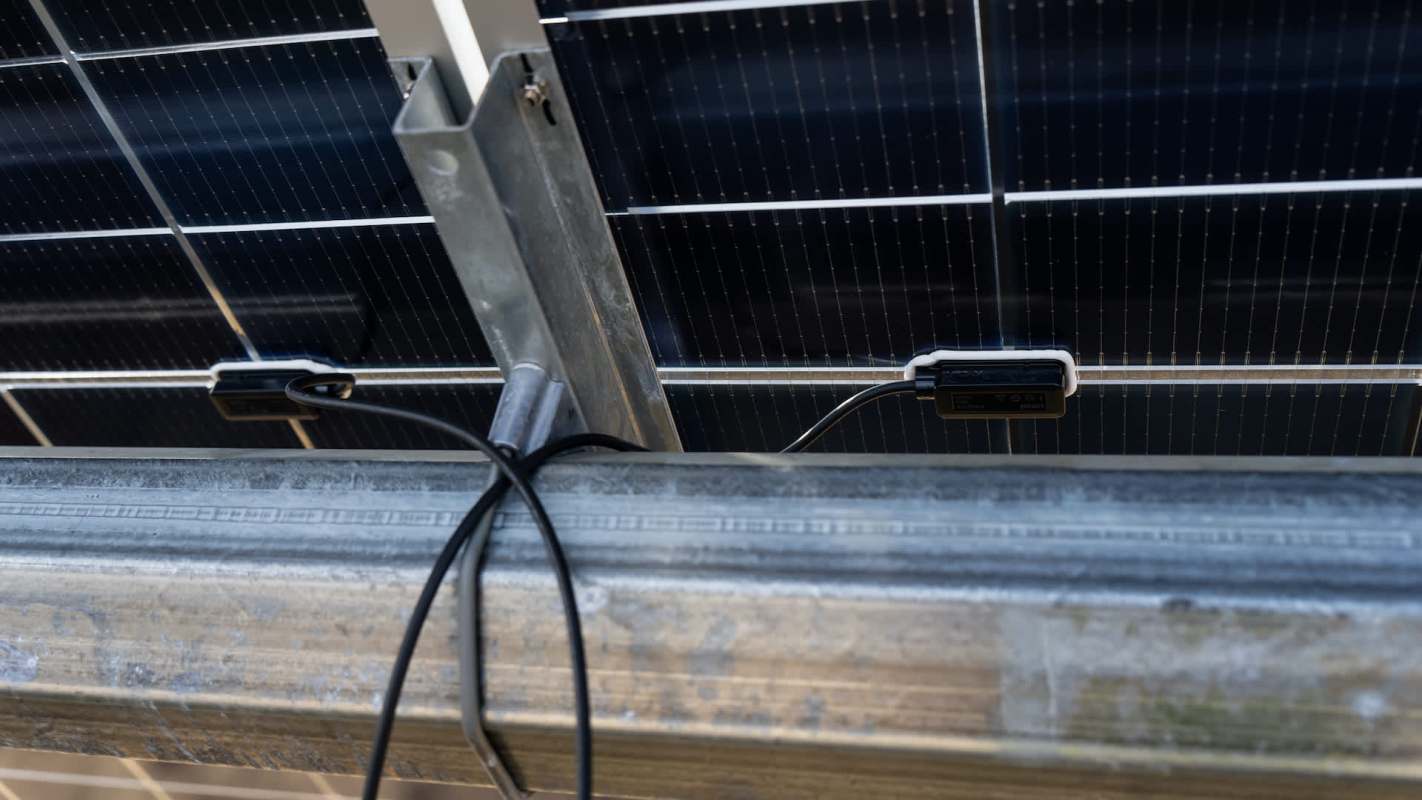
After summer power bills climbed to about $600 a month, one family went to Reddit's r/SolarDIY community looking for an inexpensive way to build a solar setup themselves.
The answers were less encouraging than they expected. Commenters said a plan built around a few 200-watt panels might be easy to picture, but it would barely make a dent in the electricity use of an entire house.
Here's what to know
In their post, the homeowner said they wanted to lower their crushing utility costs, rely less on the grid, and avoid hiring an electrician. The original poster asked about using 200-watt panels with equipment that could plug into outlets they already had outside.
OP added: "We are tired. I am not handy but I am willing to do whatever it takes to be a little more self reliant to save ourselves money from these greedy corporations."
Replies in the thread stressed that a whole-home system usually starts at a very different scale. As one user put it, "If you are doing this for a house install, you probably want more like 500-600 watt panels."
A second commenter made a similar point, writing: "Exactly. 200w ones are more expensive, somehow."
The discussion underscored a common problem: that compact solar kits can sound like a practical answer, even when they are too small to meaningfully reduce very large electric bills.
A few small panels may help power limited devices or serve as backup, but steep usage often points to a much larger need, either more power generation, reduced consumption, or both.
Save $10,000 on solar panels without even sharing your phone number Want to go solar but not sure who to trust? EnergySage has your back with free and transparent quotes from fully vetted providers that can help you save as much as $10k on installation. To get started, just answer a few questions about your home — no phone number required. Within a day or two, EnergySage will email you the best local options for your needs, and their expert advisers can help you compare quotes and pick a winner. |

More background
Still, going solar is one of the best ways to save money on home energy, especially for households hit hard by seasonal utility costs. If you're comparing real rooftop options, EnergySage lets homeowners get free installation estimates and compare quotes in one place. Its free tools help people lower installation costs by up to $10,000.
A properly sized solar system can reduce electricity costs over time, provide some insulation from utility rate increases, and curb the pollution associated with fossil-fuel-powered electricity. On the other hand, undersized equipment can lead to frustration and unnecessary spending.

Get TCD's free newsletters for easy tips, smart advice, and a chance to earn $5,000 toward home upgrades. To see more stories like this one, change your Google preferences here.