


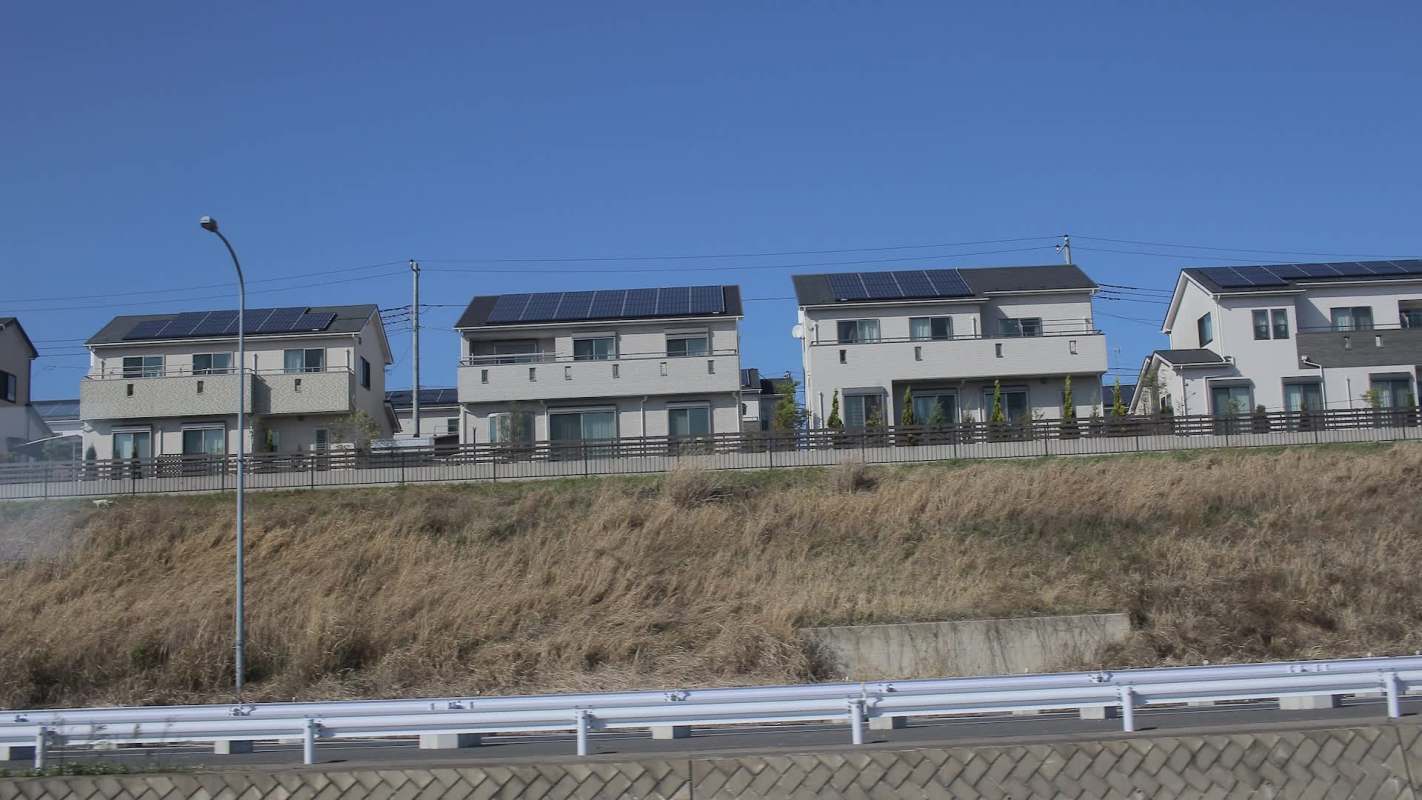
In Arizona, some residents are finding that rooftop solar is easier to afford when they join forces with nearby neighbors rather than going it alone.
These local co-ops can unlock installer discounts, offer guidance, and, in some cases, lead to dramatically lower electric bills.
What's happening?
Across Arizona, homeowners are reducing solar costs by joining co-ops that collectively purchase systems.
The Arizona Republic reported that Solar United Neighbors has helped more than 600 households in the state go solar since 2019.
When Autumn Johnson, executive director of the Arizona Solar Energy Industries Association, installed solar on her home in 2023, she chose to do it through a co-op. That change cut her summer power bill from around $300 per month to $5.
Co-op participants generally save about 15% compared with buying solar on their own, and some qualifying households can receive grants worth up to $1,500.
Johnson said, "If you don't have the time for that but you want solar, a co-op is a really good way to go."
In scorching states where air conditioning can send bills soaring, switching to solar is one of the best ways to save money. To see what rooftop solar could cost at your house, EnergySage offers free tools for quick installation estimates, and EnergySage lets shoppers compare quotes from multiple installers.
Save $10,000 on solar panels without even sharing your phone number Want to go solar but not sure who to trust? EnergySage has your back with free and transparent quotes from fully vetted providers that can help you save as much as $10k on installation. To get started, just answer a few questions about your home — no phone number required. Within a day or two, EnergySage will email you the best local options for your needs, and their expert advisers can help you compare quotes and pick a winner. |

Why does it matter?
Solar co-ops are becoming more valuable as going solar gets harder for homeowners. Equipment prices have climbed, the federal 30% residential tax credit has expired, and some Arizona utilities have added or proposed new fees for solar customers.
Higher electric bills are also pushing more people to look for alternatives.
Paul Petrash, a 67-year-old disabled veteran, had seen summer bills reach about $400 a month and viewed solar as a way to avoid paying even more.
Co-ops can also help homeowners avoid costly missteps.
More From EnergySage
💡Go deep on the latest news and trends shaping the residential solar landscape


Solar United Neighbors can review contracts and assess roofs before buyers commit, and Kate Bowman, Interior West regulatory director at Vote Solar, described the model as "a really helpful way to break through the noise and make people feel like they're learning about solar from a resource that they trust."
What's being done?
Solar United Neighbors continues to launch free local co-ops, bring in installers to submit bids, and negotiate group discounts. The model has also expanded into rural areas such as Portal, where resident Paul Hirt organized neighbors after installers were reluctant to make the trip for single-home projects.
In order to protect your home during outages, save money on energy, and go off grid, adding battery storage to your solar setup is a good solution. Homeowners who want to pair panels with backup power can explore EnergySage for free information about home battery storage options and competitive installation estimates.
You can also use EnergySage's solar map, which shows the average cost of a home solar panel system in your state, along with details on solar panel incentives for each state. Together, these resources can help homeowners get the best price for rooftop solar panels and access available incentives.
EnergySage's free services can be especially useful when prices and policies are changing quickly. On solar purchases and installations, the average person can save up to $10,000 with EnergySage's help, making it easier to comparison-shop before signing a long-term contract.
Adrian Keller, Arizona program director of Solar United Neighbors, summed up the appeal: "People are desperate for any sort of savings they can get on a solar system. Our bulk discounts are at least something."

Get TCD's free newsletters for easy tips, smart advice, and a chance to earn $5,000 toward home upgrades. To see more stories like this one, change your Google preferences here.






