


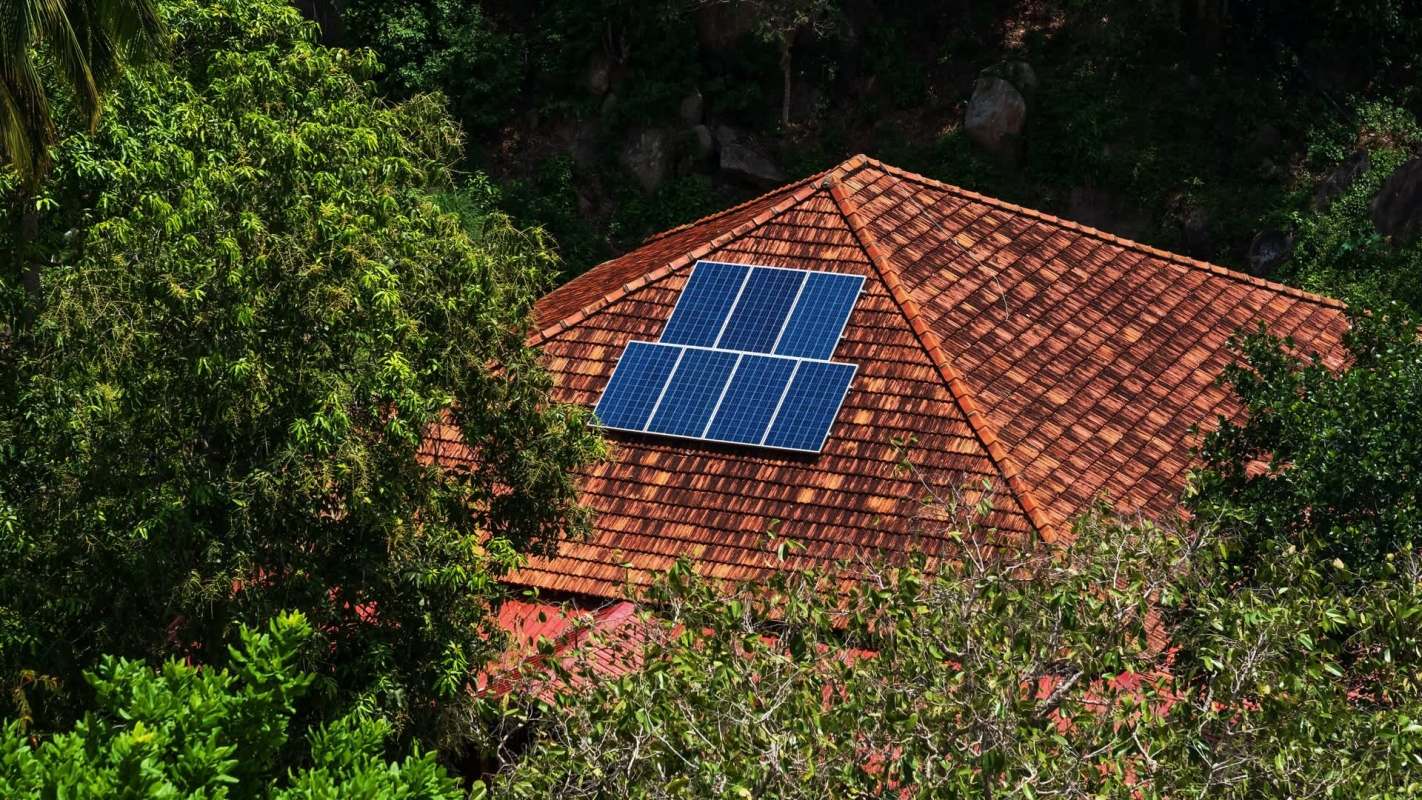
A utility company has put up a brick wall on solar installations in one town. However, one homeowner is keen on switching to clean energy — and Redditors are helping figure out ways to do so without breaking laws.
In a Reddit post, a homeowner explained that the utility company in their town has banned new solar PV installations, claiming the grid is maxed out. Even if a homeowner intended to use a system that would not export electricity (no net metering), the utility company would not be willing to take the risk of having power pushed back into the grid.
However, the original poster was still hoping to get approval for installing a system that would run in self-consumption mode. So, they asked other users, "Any ideas/suggestions on ways to work around this limitation?"
Some Redditors recommended working with solar installers with experience in areas where policies can be restrictive. One way to find vetted installers is by using EnergySage, which also has free tools for getting quick estimates and comparing quotes.
This isn't the first time homeowners have faced roadblocks when switching to solar. Some HOAs restrict solar installations, citing unfounded issues they can cause, including creating eyesores in the neighborhood and bringing property values down.
State policies that favor utility companies, such as a lower cap on the amount of energy solar panel owners can sell back to the power grid, also slow down clean energy adoption.
Fortunately, many are finding ways to circumvent HOA restrictions and local limitations. One homeowner used a solar energy shingle roof system that seamlessly blended solar panels into their roof design.
Finding ways to install solar panels or use community solar despite obstacles can significantly reduce the amount of air pollution produced when relying on the grid. Moreover, homeowners can potentially save hundreds of dollars each month on their electricity bill.
Save $10,000 on solar panels without even sharing your phone number Want to go solar but not sure who to trust? EnergySage has your back with free and transparent quotes from fully vetted providers that can help you save as much as $10k on installation. To get started, just answer a few questions about your home — no phone number required. Within a day or two, EnergySage will email you the best local options for your needs, and their expert advisers can help you compare quotes and pick a winner. |

For instance, illustrative savings by the Department of Energy show that families can save $150 to $275 per month by using solar panels and storage systems.
Homeowners can maximize these savings by taking advantage of the free services offered by EnergySage. The comparison tool, for one, can help save up to $10,000 on solar purchases and installations. The mapping tool also helps cut installation costs by showing average home solar costs on a state-by-state level and the incentives available per state.
|
What's the most you'd pay per month to put solar panels on your roof if there was no down payment?
Click your choice to see results and speak your mind. |
 $200 or more 💰
 Adding battery storage to solar setups further increases energy savings — and protects homes during outages. Home battery storage options on EnergySage make it easy for homeowners to find ideal solutions for their setup and competitive installation estimates.
These tools, along with the suggestions by Reddit users, help more people take the step toward a clean future.
More From EnergySage
💡Go deep on the latest news and trends shaping the residential solar landscape

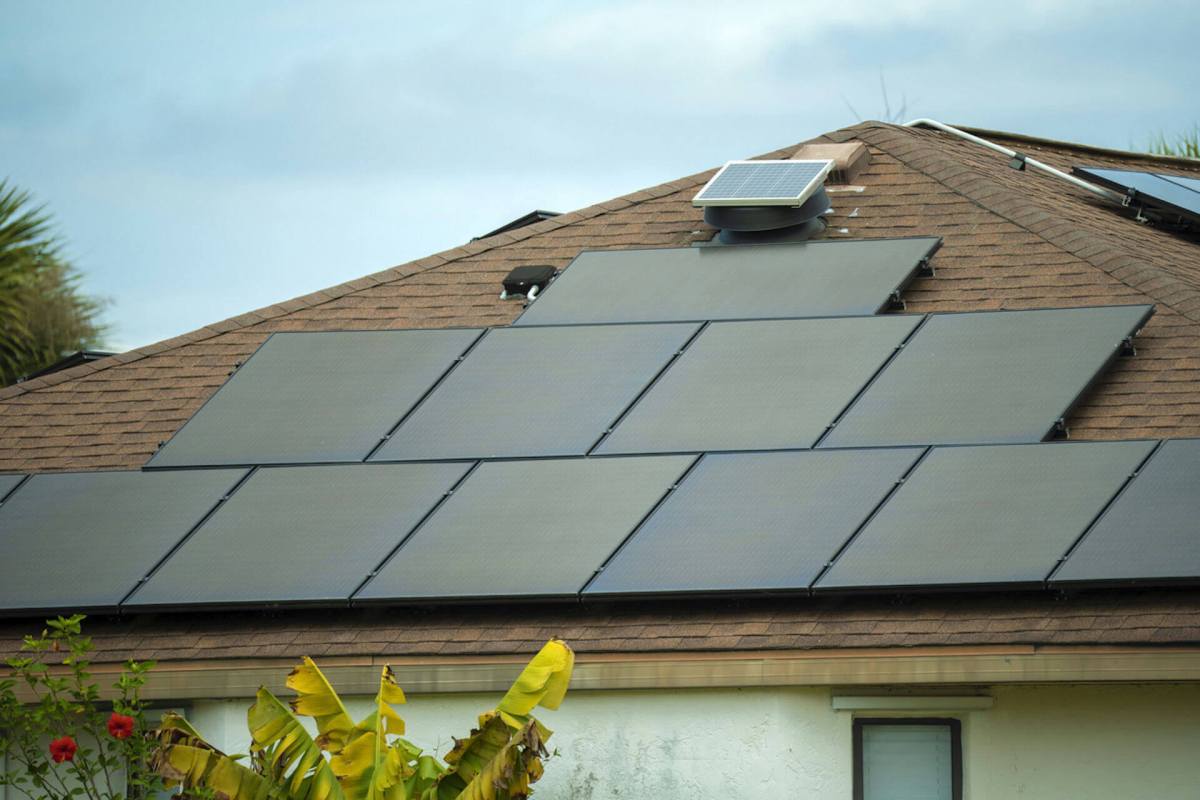


"A non-exporting system shouldn't need utility approval. It would just be up to your local building jurisdiction," one commenter explained.
Another suggested finding the right service provider, saying, "Installers should be knowledgeable in addressing these."

Get TCD's free newsletters for easy tips to save more, waste less, and make smarter choices — and earn up to $5,000 toward clean upgrades in TCD's exclusive Rewards Club.
Cool Picks




