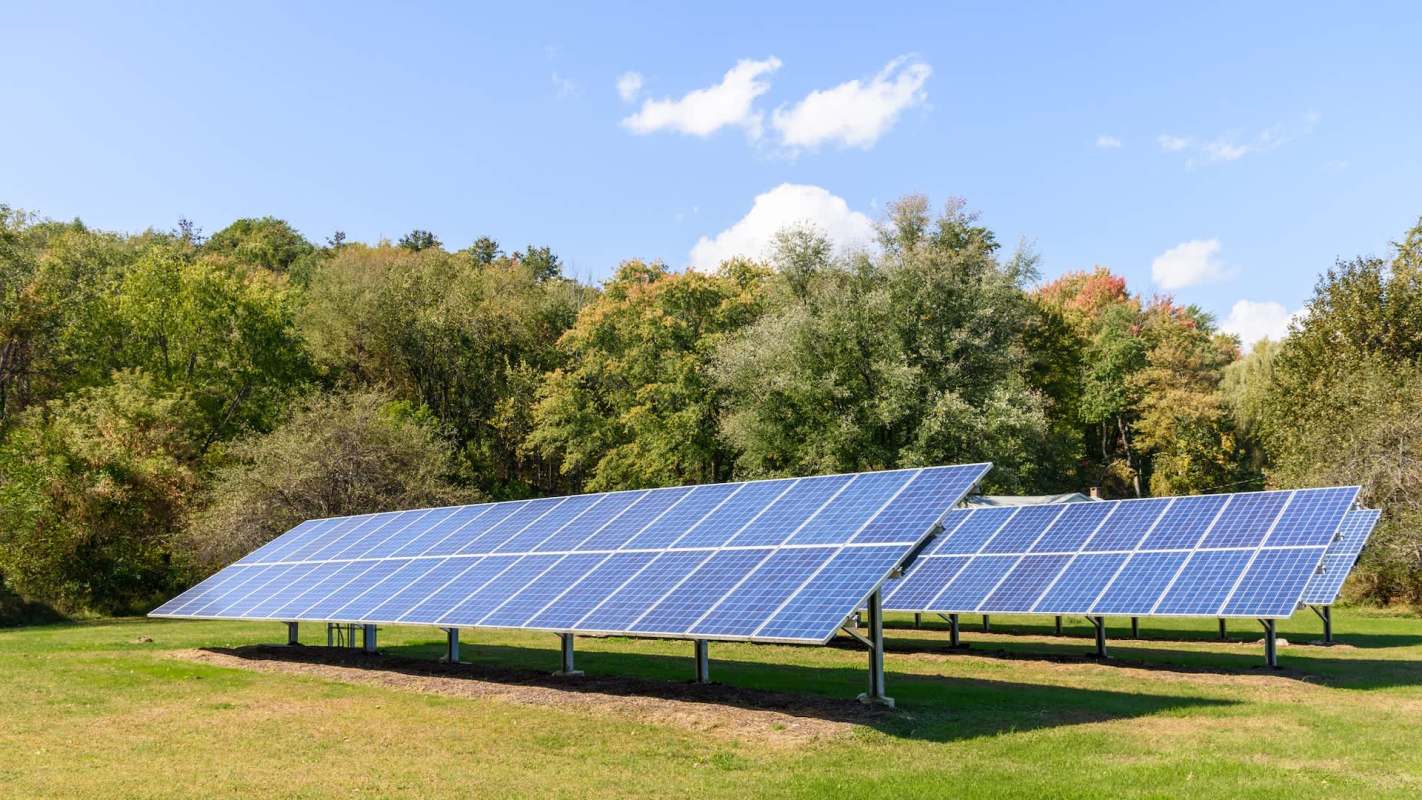
A solar array that once matched a household's needs can come up short after additions to the home.
One homeowner's experience, shared on the r/SolarDIY subreddit, shows how electrifying more of everyday life can turn a formerly sufficient system into a candidate for expansion.
Here's what to know
In the post, the homeowner explained that the household's power needed an upgrade after they bought an electric vehicle in 2019 and installed central air in 2020.
The home's 5.2-kilowatt, ground-mounted, grid-connected system, installed in 2015, had been enough to cover all electricity use.
Summer demand was 55 kilowatt-hours per day, while the array supplied only 30-36 kWh. "For the first several years, it provided 100% of our daily electricity plus a bit extra in the summer months," the homeowner wrote.
They wanted to know of any pitfalls they might encounter when adding capacity.
Going solar is one of the best ways to save money on home energy, especially for households expecting their electric use to grow over time. If you're considering a new setup or an expansion, EnergySage can help you get free solar installation estimates and compare quotes.
More background
The original poster conceded any expansion would likely include replacing their aging 6,000-watt SunPower inverter. Commenters agreed, and the homeowner said they had enough land for a second set of roughly 20 panels. Their goal was to add 6-8 kW.
Save $10,000 on solar panels without even sharing your phone number Want to go solar but not sure who to trust? EnergySage has your back with free and transparent quotes from fully vetted providers that can help you save as much as $10k on installation. To get started, just answer a few questions about your home — no phone number required. Within a day or two, EnergySage will email you the best local options for your needs, and their expert advisers can help you compare quotes and pick a winner. |

"You can have two separate systems, too," one user stated. "One to power the AC and EV and the other to do the rest."
Other commenters pointed to revisiting conductor sizes and protection devices as well as looping in the power company.
Solar is often only the first step in electrifying a home. Once drivers begin charging an EV at home or families install AC for comfort and safety during hot weather, electricity demand can rise.
For many households, a solar system is not just a one-time purchase. It can be part of an evolving plan. Ground-mounted setups may offer flexibility.
More From EnergySage
💡Go deep on the latest news and trends shaping the residential solar landscape


What can be done?
For homeowners in a similar position, the next step is usually to review energy use, future plans, and equipment limits before adding panels. An expansion may require a new inverter, utility approval, and an updated system design.
For shoppers, EnergySage's free services can make that process easier to navigate. With EnergySage's help, the average person can save up to $10,000 on a solar purchase and installation.
EnergySage's solar map shows the average cost of a home solar panel system by state as well as details on incentives. Together, these resources can help readers get the best price for rooftop solar panels and access available incentives.
Adding battery storage to a solar setup is one of the best ways to protect your home during outages, save money on energy, and go off-grid. Batteries can also store excess solar production for later use, giving households more control over when and how they use the power they generate. Readers can explore EnergySage for information about home battery storage options, including competitive installation estimates.

Get TCD's free newsletters for easy tips, smart advice, and a chance to earn $5,000 toward home upgrades. To see more stories like this one, change your Google preferences here.