


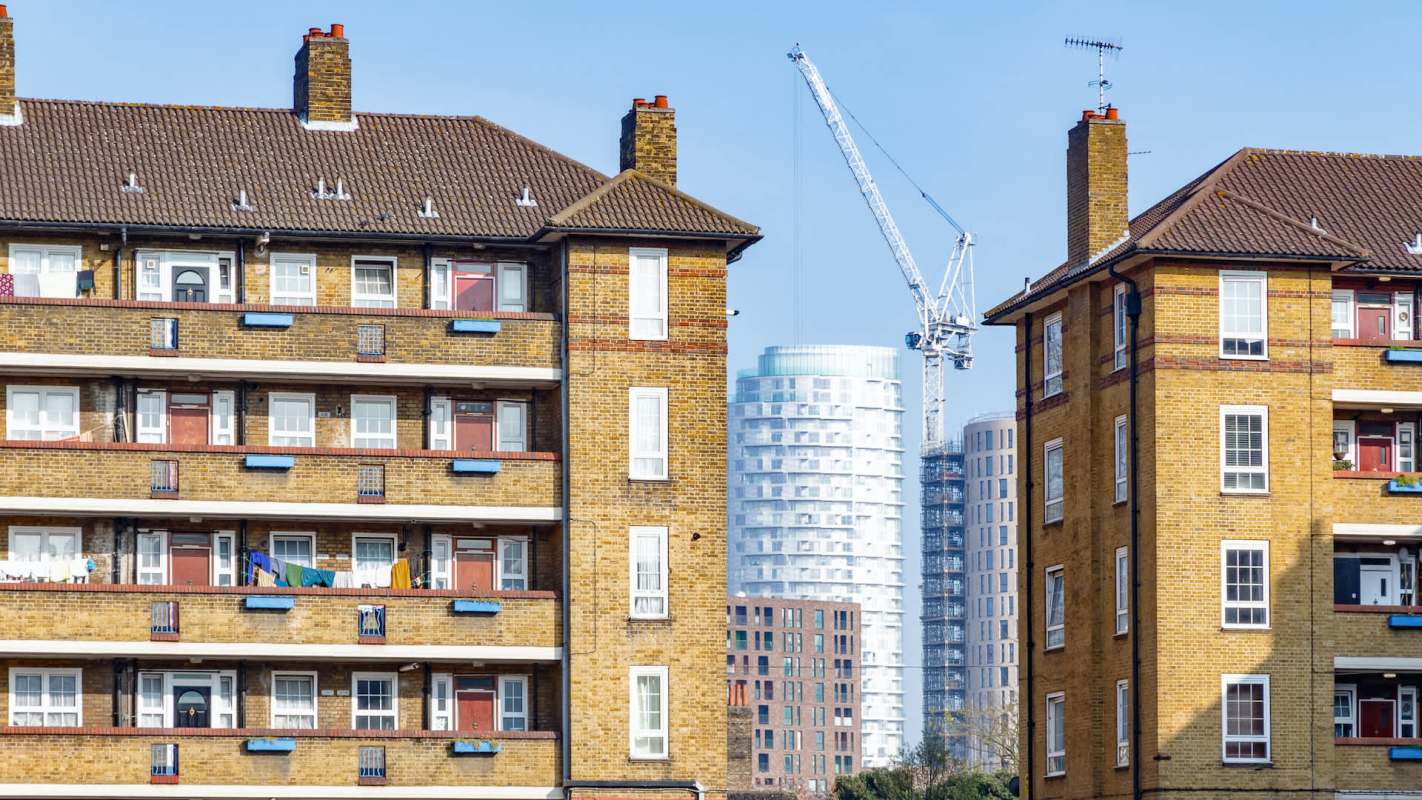
A new housing proposal from Reform UK would allow social housing tenants to be evicted if their homes are not kept up or their gardens are deemed untidy.
Here's what to know
Party chair Lee Anderson said people in social rented homes would be expected to keep their properties "well maintained" and their gardens in order as part of a broader Reform UK social housing platform set on removing foreign nationals from existing social housing, as reported by The Guardian.
For newly built social housing, Reform says there would be a change in who is eligible for support, prioritizing British-born working couples with children first. Deputy leader Richard Tice said the policy is intended to encourage marriage. "Marriage is a great thing, and in a sense, when people get married, we all hope that it's going to be for life," he said.
On the question of who counts as British-born, Anderson and Tice said that people born abroad to British parents during a temporary stay overseas would still qualify. But British citizens born outside the U.K. to foreign parents would not be included under that label, even if they have lived almost their entire lives in the U.K.
More background
With housing affordability and supply having become major pressure points across the U.K., any proposed shift in social housing policy could affect the stability, monthly costs, and future housing options for millions of people.
Households are already stretched by rent, food, and energy bills, so the prospect of losing housing over appearance-based maintenance could add yet another layer of pressure, not to mention the financial burden that would accompany the mandated upkeep.
TCD Picks » Quince Spotlight
💡These best-sellers from Quince deliver affordable, sustainable luxury for all




Rules centered on how homes should look are not limited to public housing. In the U.S., homeowners associations have repeatedly come under fire for blocking homeowners from making cost-saving changes to their properties, including installing rooftop solar panels or replacing traditional lawns with native plants. For people facing those kinds of restrictions, there are ways to work with HOAs in a civil, strategic way to get positive results.
The construction component of Reform's proposal is also drawing skepticism. The Guardian reported that the party wants to expand social housebuilding by giving housing associations more room to borrow, but industry insiders warn that approach could create new financial risks for the organizations expected to deliver those homes.
What can be done?
Reform says it wants to increase the number of social homes available through councils or housing associations, but industry insiders warn that increasing supply only works if the funding model is sustainable. If housing providers take on too much debt, the system meant to create more affordable homes could become less stable.
Appearance-based restrictions can quickly affect affordability, access, and people's ability to make energy-saving home improvements.
As Hyde chief executive Andy Hulme said, "These proposals would radically change housing associations' debt levels, which could lead many to violate their banking agreements and likely tip some into default."
Critics argue that a more durable solution would focus on building more homes, reducing barriers to lower-cost upgrades, and helping residents maintain their properties without turning housing security into a punishment mechanism.

Get TCD's free newsletters for easy tips, smart advice, and a chance to earn $5,000 toward home upgrades. To see more stories like this one, change your Google preferences here.






