


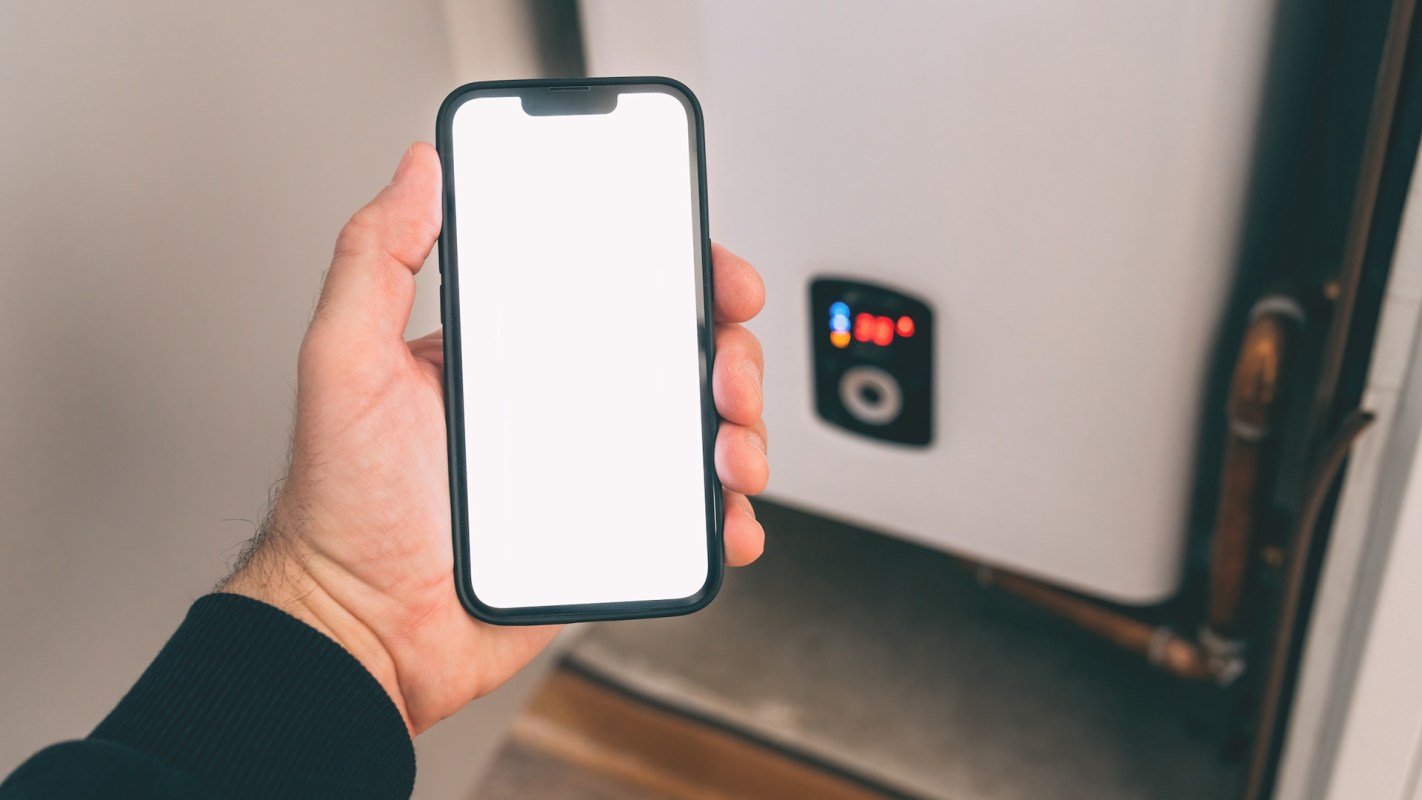
Smart-home technology has spent years focused on lighting, energy consumption, indoor comfort, and home security. Now, after another stretch of unusually hot, dry weather in the United Kingdom, attention is turning to another essential household resource: water.
"Is water the next utility the smart home needs to manage?" EssentialInstall.com asks.
For homeowners, there's a financial stake. Upgrading to a heat pump water heater can lower water-heating costs compared with a standard electric resistance model, making water-focused upgrades appealing not just for conservation but also for trimming monthly bills.
What's happening?
Scarce water supplies, hosepipe bans, and rising utility bills are again making headlines across the U.K. In that context, EssentialInstall.com's Daniel J. Sait is examining whether connected homes should give water the same kind of active management they already apply to energy.
Sait pointed to greywater systems already on the market, including residential offerings from Stormsaver, Indratec, and rainwater-harvesting specialists built to British standards such as BS EN 16941 and BS 8525. These setups can take water from baths and showers, treat it, and reuse it for toilet flushing, irrigation, and other non-drinking purposes.
Even so, Sait noted that water systems occupy a relatively small place in smart-home discussions — viewed merely as plumbing equipment, even though many include comprehensive monitoring, controls, and automated maintenance.
Why does it matter?
A hidden leak can send bills soaring and lead to costly property damage, while drought restrictions can make it harder to maintain gardens and other outdoor spaces.
A smart water system can give households more visibility into everyday water use, faster warnings when leaks develop, and clearer information about available recycled water.
Save $10,000 on solar panels without even sharing your phone number Want to go solar but not sure who to trust? EnergySage has your back with free and transparent quotes from fully vetted providers in your area. To get started, just answer a few questions about your home — no phone number required. Within a day or two, EnergySage will email you the best options for your needs, and their expert advisers can help you compare quotes and pick a winner. Solar panels can save you more than $50k over their 25-year lifespan, and EnergySage can help you save as much as $10k on installation. Which begs the question — isn't that worth an email or two? |

Pairing water systems with weather forecasts, irrigation controls, occupancy sensors, and automation could also help households use less water without sacrificing comfort.
Water heating already represents a major energy expense. In the United States, it is the second-largest expense just behind heating and cooling the air.
What's being done?
As Sait noted, a full greywater retrofit will not be practical for every property. Installation can be complex, regulations need to be understood, and the financial benefit depends on the home.
Still, smart leak detectors, irrigation controls tied to the weather, and improved measurement of household water use can all offer gains without a major renovation.
For those planning a remodel or a new build, asking about rainwater harvesting or greywater reuse may become increasingly worthwhile.
Another option is a smarter approach to hot water itself.
Cala makes customizable smart heat pump water heaters that help homeowners decrease their energy bills by heating water exactly when it's needed. That means less wasted energy from keeping water hot around the clock when nobody is using it.
For households replacing an old tank or electrifying their home, a Cala system could fit neatly into the same money-saving, efficiency-first mindset driving the broader smart-home movement.
With household costs rising and climate pressures intensifying, using water more wisely with a smart system like Cala may become every bit as important as improving energy efficiency.

Get TCD's free newsletters for easy tips, smart advice, and a chance to earn $5,000 toward home upgrades. To see more stories like this one, change your Google preferences here.






