


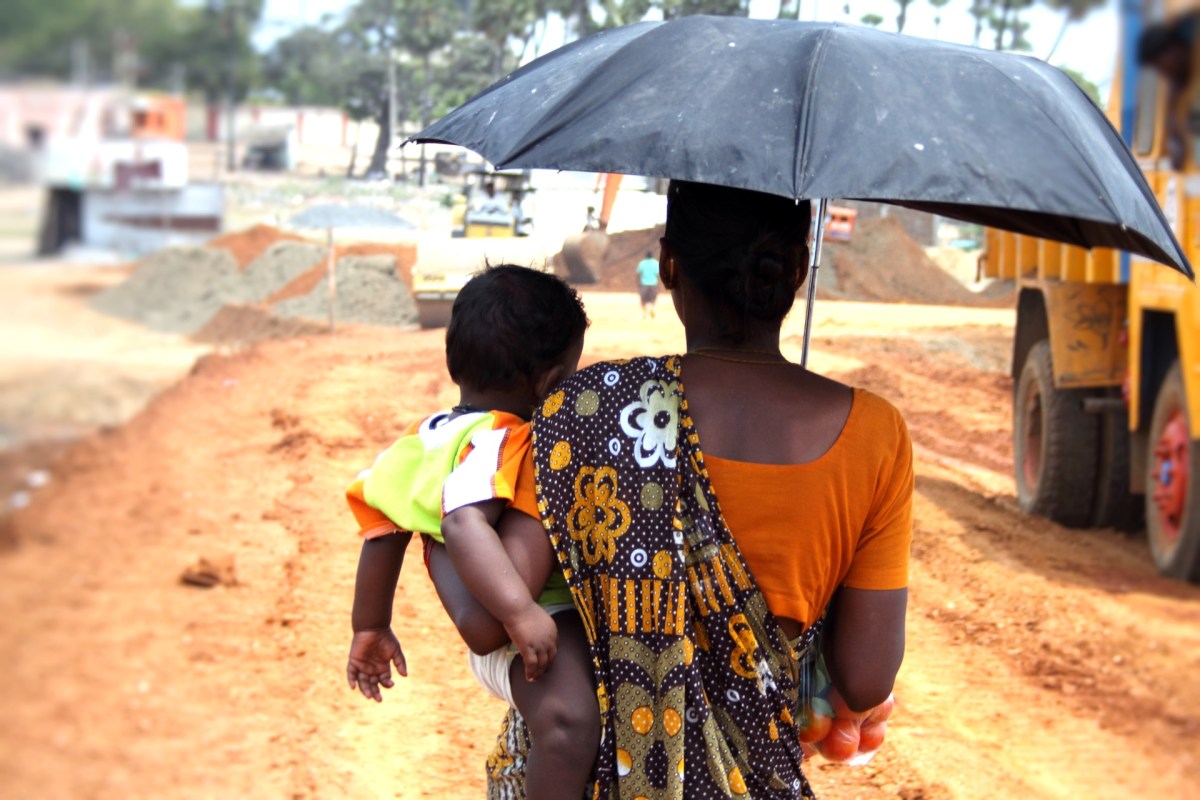
In parts of India where temperatures climbed above 105 degrees Fahrenheit, abrupt school closures have left many working mothers trying to cover child care and job responsibilities at once, creating another disruption tied to extreme weather.
What happened?
The Guardian said recurring school shutdowns linked to extreme heat in Delhi and across many other Indian states are leading some women to leave paid work and others to take lower-paying, less stable jobs.
After months of trying to balance her job and childcare during repeated closures, Sakshi Katyal left her position in February. The Noida mother told the outlet that "one notification changed everything: the notification that my daughter's school was shutting."
"My daughter would ask for food or attention while my manager was demanding reports," she said. "Sometimes I would hand her a phone or switch on the TV just to keep her occupied."
The outlet also spoke with Zeenat Khatoon, a 24-year-old domestic helper in Delhi, who said her daughter was out of school for about seven months over the past year because of closures related to heatwaves and pollution.
"If I stop going to work, who will pay the rent, school fees, and food expenses?" she said.
TCD Picks » Quince Spotlight
💡These best-sellers from Quince deliver affordable, sustainable luxury for all




Why does it matter?
When extreme heat forces schools to close, it can quickly upend household finances, interrupt children's education, and push workers — especially women — to cut back their hours or leave their jobs entirely. That disruption can then ripple out to employers, communities, and the broader economy.
Worsening extreme weather disasters threaten both lives and livelihoods. Heat waves can increase the risk of dehydration, heat stroke, and other serious health issues while also making schools, homes, and workplaces more dangerous.
When closures occur with little warning, families can lose income, children lose classroom time, and already-strained public systems face even more pressure.
What are people saying?
Urvashi Prasad, a former director at government think tank Niti Aayog, said, "Most heat action plans in India barely have a gender component." She added, "If we already know heatwaves and pollution will come every year, why aren't we planning ahead instead of shutting schools at the last moment?"
A labor economist quoted in the report warned that "the majority of women are being forced either to stay at home or move into precarious, lower-paying work because they have to care for children during repeated school closures."
Noopur Goyal, a pediatric cardiologist and single mother in Noida, described the chaos of trying to handle urgent work alongside sudden school disruptions. "How do I work properly on shifts? Suppose I have an important case tomorrow and my child's school closes. What do I do?" she said.
A senior Delhi higher education official defended the closures, describing them as emergency measures, saying: "Sometimes governments are simply trying to save lives."

Get TCD's free newsletters for easy tips, smart advice, and a chance to earn $5,000 toward home upgrades. To see more stories like this one, change your Google preferences here.






