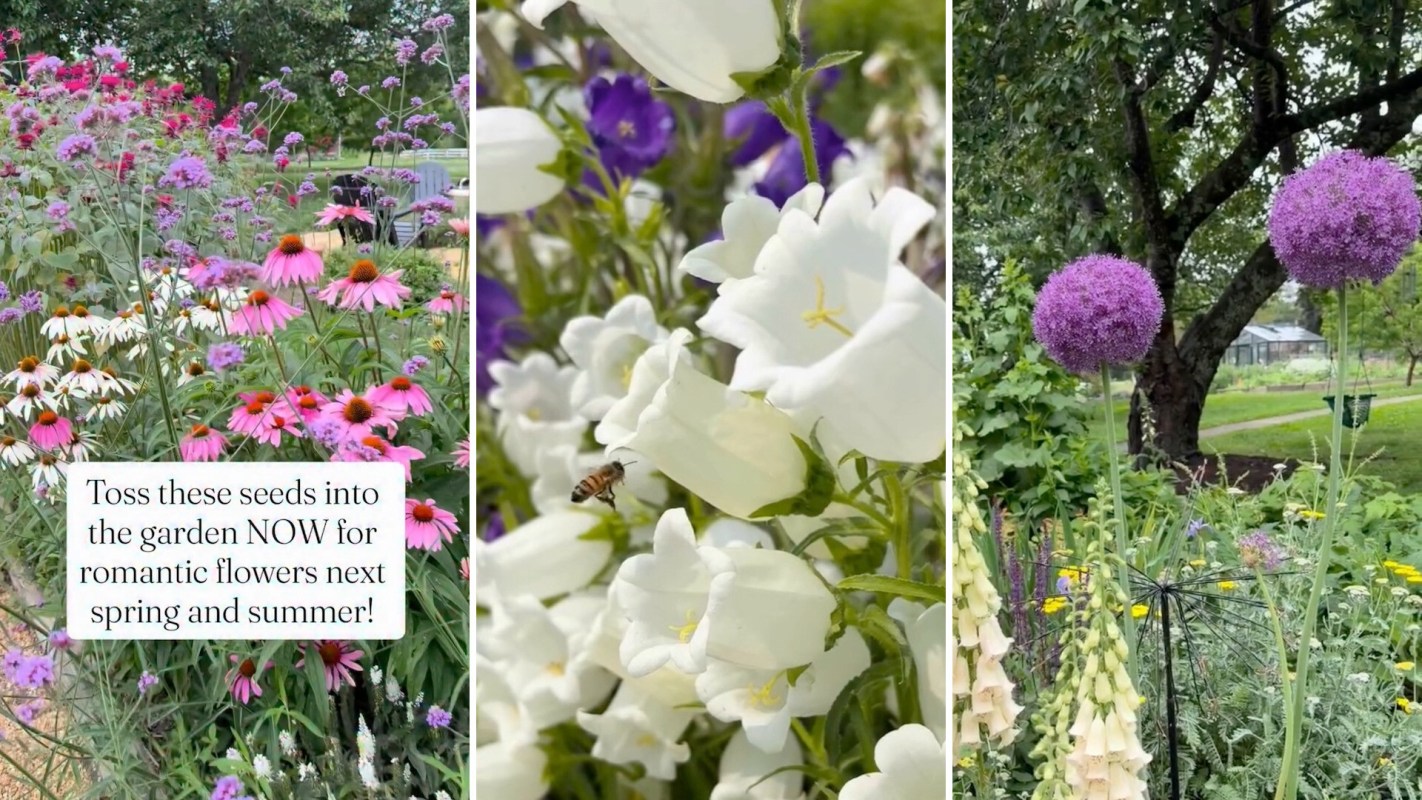
A low-effort seed-scattering method could help gardeners create a full cottage-style garden without paying nursery prices.
In a popular Instagram post, Caroline Maurer of Figment Cottage Garden Design (@FigmentCottageGardens) said gardeners can toss perennial flower seeds now and let winter handle most of the rest.
What's happening?
Yarrow, coneflower, black-eyed Susans, and coreopsis are among the perennial flowers Maurer highlighted in her post.
In the Instagram Reel, Maurer explained, "I toss these seeds directly into the garden and let them stratify over winter."
That cold exposure, called stratification, can improve germination by recreating the conditions seeds would experience outdoors in nature.
Maurer added, "If you want to get a jump on that, freeze your seeds for four weeks and then plant in pots or the garden."
TCD Picks » Quince Spotlight
💡These best-sellers from Quince deliver affordable, sustainable luxury for all




One commenter wrote, "These seeds are so easy to grow! I put little to no effort in and just scatter them around the garden like pixie dust. Then, I let them reseed after they grow and the beautiful cycle continues. Very beginner gardener friendly."
Since perennial flowers return year after year instead of being replanted each season, they can offer a budget-friendly way to build a cottage garden.
Why does it matter?
Affordable planting tactics like this can reduce landscaping costs while helping homeowners create yards that better fit local ecosystems.
Many perennial flowers, especially native ones, can aid pollinators, increase biodiversity, and need less water and maintenance than a conventional grass lawn.
Turning even part of a yard over to native plants can lower spending on mowing, fertilizer, and water bills.
Those savings and environmental benefits can still show up even in a relatively small patch. No matter how you tackle it, rewilding yards and replacing resource-intensive grass with tougher, more resilient alternatives is worth it.
What can I do?
If you want to test the method, begin by finding perennials that are native to your area or otherwise well-suited to your local climate.
Then, choose whether to sow them outside so winter can stratify them naturally or chill the seeds first and plant them afterward. And again, a flower border or a pollinator patch can still make a noticeable difference while reducing maintenance costs.

Get TCD's free newsletters for easy tips, smart advice, and a chance to earn $5,000 toward home upgrades. To see more stories like this one, change your Google preferences here.