


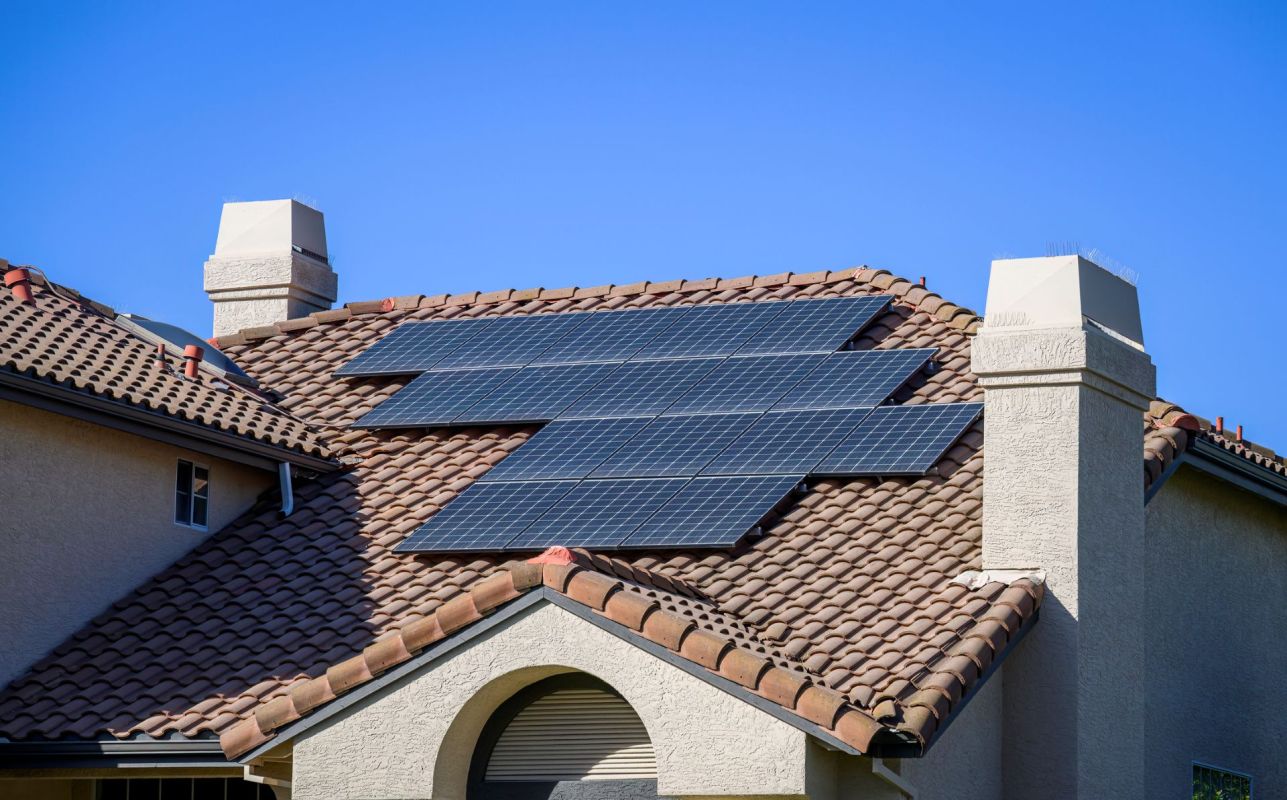
A lively Reddit debate is giving California homeowners a sharper sense of what rooftop solar looks like after one of the state's biggest policy changes.
In a post on r/solar, one user asked a question many households are still trying to answer: For people who installed solar after California's NEM 3.0 policy took effect, was it actually worth it?
The discussion gained traction because NEM 3.0 — California's newer solar billing structure — significantly reduced the value of excess electricity sent back to the grid, essentially making solar less additionally lucrative for homeowners and businesses who go solar.
That shift changed the economics of rooftop solar, especially compared with the far more generous NEM 2.0 era. Still, as utility rates keep climbing, many commenters said solar remains a strong financial move — especially with one major addition that allows you to avoid having to pay for grid electricity during the state's notoriously high peak rates during evening hours.
In the original post, the Redditor said they were "running numbers" before getting quotes and were seeking firsthand feedback from people who had installed since 2023, with particular interest in whether battery storage materially changed the outcome. Based on the responses, the answer was a clear yes.
Several homeowners reported substantial savings. One commenter said they installed solar last April with one Powerwall 3, then added another battery in August.
TCD Picks » Quince Spotlight
💡These best-sellers from Quince deliver affordable, sustainable luxury for all




"In the first year I saved $7K on utilities," they wrote, adding that their break-even point appeared to be "just under 4 years" even if electricity prices remain flat.
Another homeowner said that a 10-kilowatt array with 30 kilowatt-hours of batteries cut a March bill to $44 with the base charge included, compared with prior monthly bills varying between $300 to $600. From the early data, the Redditor figured the payback window could be around five to seven years on NEM 3.0.
But one topic that commenters raised again and again was the battery component of going solar.
"Everyone knows you have to have a battery for NEM 3," one commenter observed, though primarily speaking about solar plans that exceed your daily need so you are sure to have extra available during times when the electric company is charging peak rates. "You get paid so little for exports that you need a way to load shift so you can self-consume as much as possible. You do that with a battery."
Another wrote, "For most households solar is only worth it [in California] with a battery — or at least it's only attractive with a battery."
The reason is fairly straightforward. Batteries make storing daytime solar energy for later use possible, especially during expensive evening hours — which are the most expensive rates in the country in California — exceeding $0.70 per kilowatt-hour in some areas, which several times more than the national average of $0.16 per kWh.

Get TCD's free newsletters for easy tips, smart advice, and a chance to earn $5,000 toward home upgrades. To see more stories like this one, change your Google preferences here.






