


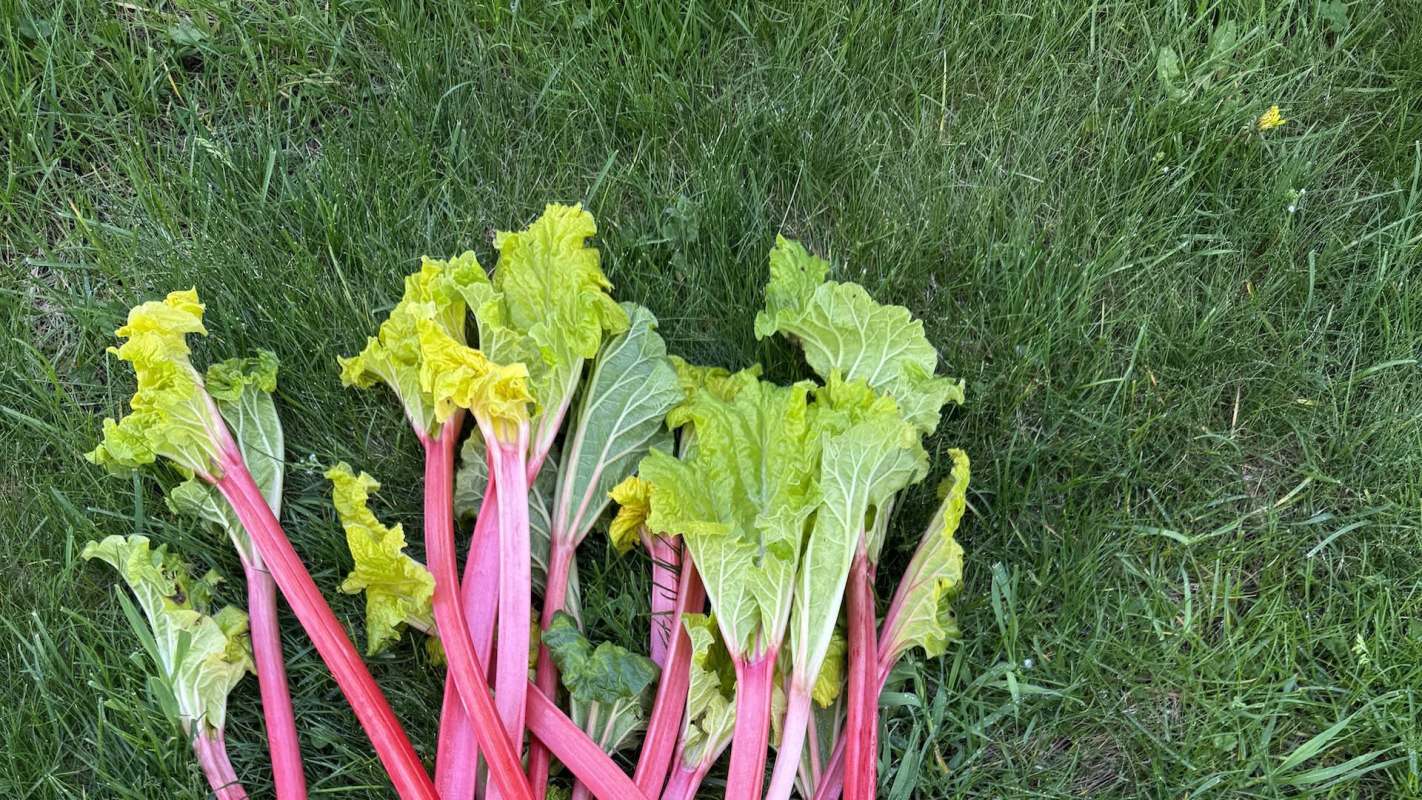
A gardener on Reddit made an unexpectedly delicious discovery after tossing extra rhubarb roots into a dark compost bin.
The "garbage" rhubarb was not just alive, it was thriving. The gardener said it was "so much better than the plants in the ground."
They explained that they dug up surplus rhubarb last fall but did not want to risk passing along Asian jumping worms to friends through root divisions.
Instead of replanting or giving the roots away, they tossed them into a black compost bin that gets "absolutely no light." When they opened it later, they found rhubarb growing in the dark.
Commenters quickly identified the accidental method as a version of "forced rhubarb," a traditional growing technique in which rhubarb is covered or moved into darkness so it sends up tender stalks using energy stored in its roots.
The surprise harvest delighted fellow gardeners, who marveled at the vivid color and the low-tech success of a plant that can keep producing for decades.
TCD Picks » Quince Spotlight
💡These best-sellers from Quince deliver affordable, sustainable luxury for all




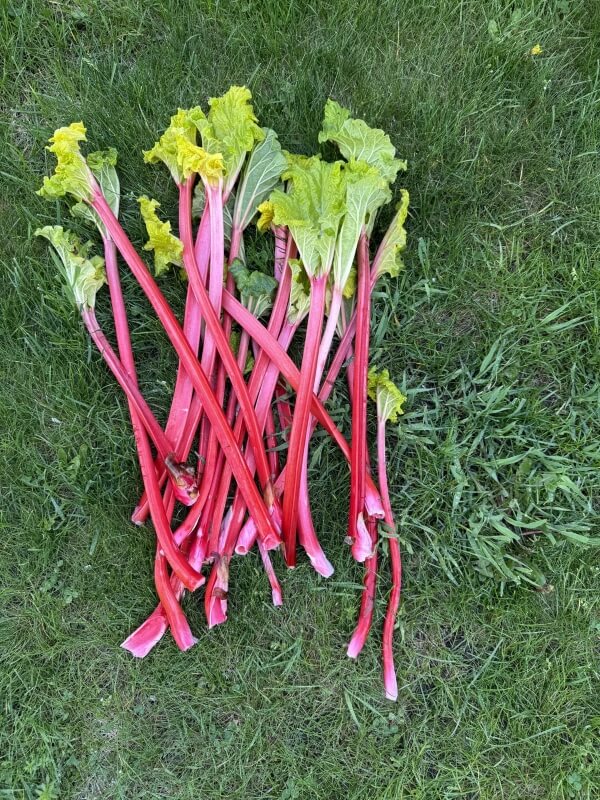
Beyond being a fun gardening win, the post highlights one of the biggest benefits of growing your own food: Sometimes the cheapest experiments produce the best results. For households looking to cut grocery bills, rhubarb is a perennial that can return year after year, offering repeated harvests from a single planting.
Homegrown produce also often tastes better than store-bought options because it can be picked at peak ripeness. Commenters traded ideas for pies, stewed rhubarb, and even homemade rhubarb soda — a reminder that a productive garden can expand meal options without adding much cost.
Gardening can also support mental and physical health. Digging, planting, watering, and harvesting add gentle movement to daily life, while tending plants can reduce stress and make time outside more rewarding.
There is also a practical lesson here about responsible gardening. The original poster avoided giving away potentially infested roots, helping prevent the spread of a destructive invasive species. That kind of caution is just as important as the harvest itself.
If this accidental compost-bin success has you inspired, rhubarb can be a great crop for beginner gardeners. It is hardy, productive, and relatively low-maintenance once established.
Commenters suggested that covering established rhubarb with a bucket or pot can mimic the dark conditions that create tender stalks. Just keep in mind that plants need access to light again to rebuild energy reserves after being forced.
If pests are part of the reason you hesitate to divide or share plants, nonchemical garden management can help.
Even if your garden experiments do not go exactly as planned, this post is proof that a little curiosity can turn scraps into supper.

Get TCD's free newsletters for easy tips, smart advice, and a chance to earn $5,000 toward home upgrades. To see more stories like this one, change your Google preferences here.






