Some rescue dogs arrive with more than a sad backstory. They come home underweight, overwhelmed, and carrying the effects of everything that happened before.
That was the case for one dog whose new family said he was on his last chance. Three years later, his transformation is drawing attention for all the right reasons.
What happened?
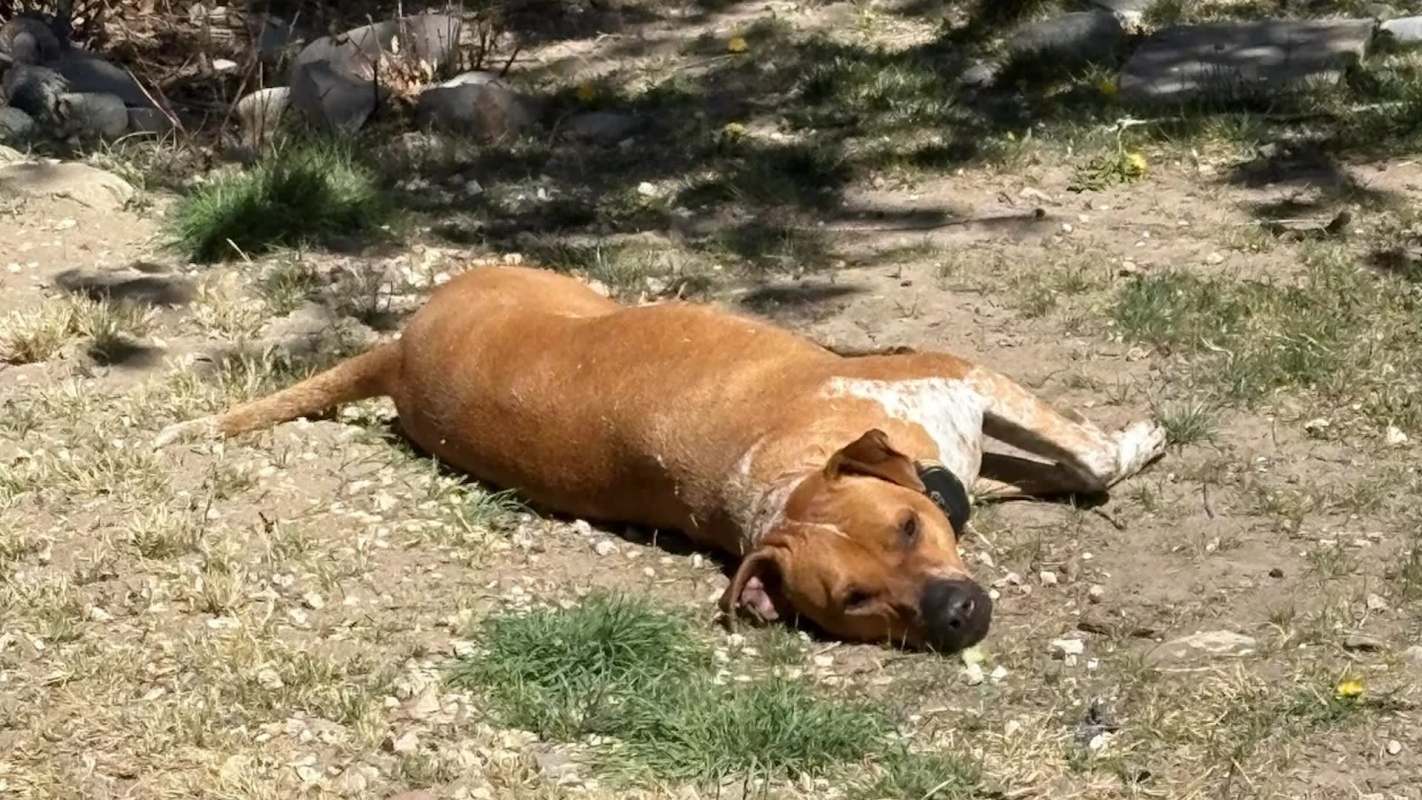
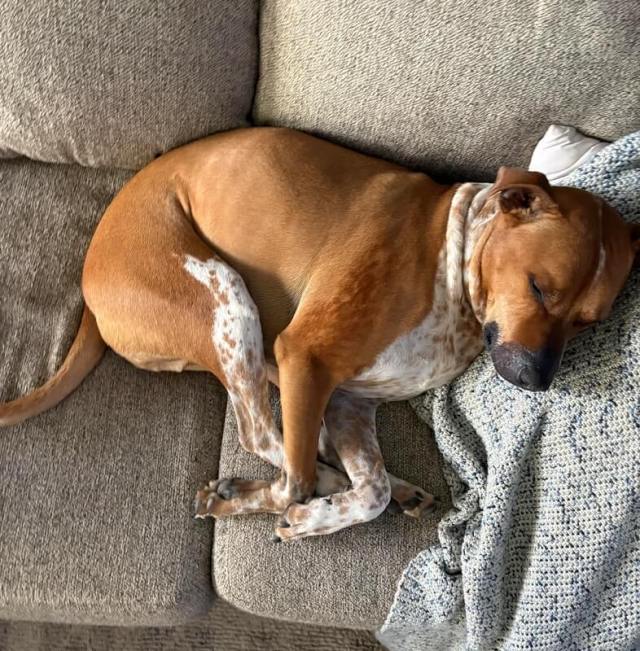
In an update shared on Reddit's r/BeforeNAfterAdoption, the poster showed a photo from about a week after the adoption alongside progressive images of a much healthier, more relaxed dog curled up on the couch and stretched out in the sun, calling it "3 years of evolution."
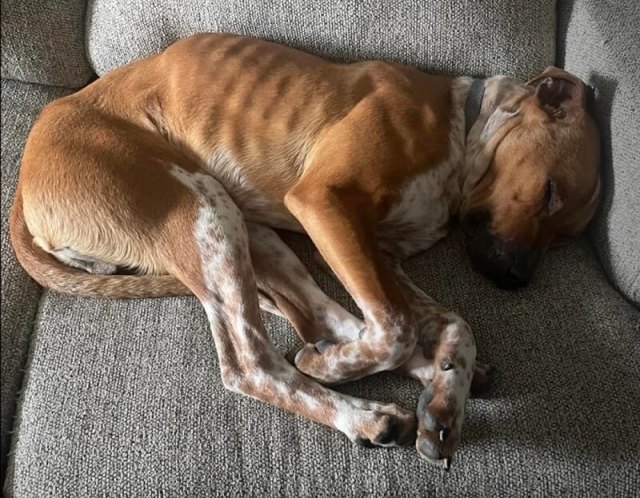
Before reaching that point, the dog had already been returned twice, the poster said. They wrote, "When we got him he was 40 pounds underweight and damn near half dead." They also said that if he had been given back again, "he would be put down."
In a follow-up comment, the original poster described the early days as harder than they had expected.
"He was half the age they said and he dislikes other dogs, chewed up everything, bike seats to a trampoline and hoses and trash cans," they wrote.
TCD Picks » Quince Spotlight
💡These best-sellers from Quince deliver affordable, sustainable luxury for all




The transition stayed difficult for a while, but the family kept working through it.
Why does it matter?
A dog who has already been returned multiple times may be coping with stress, confusion, health issues, or behavioral challenges that do not disappear overnight. That can put enormous pressure on adopters, especially if they were not fully prepared for the level of care involved.
Recovery can take months or even years, and progress may look messy before it looks inspiring.
A happy ending often depends not on finding a "perfect" dog, but on meeting an imperfect situation with patience, structure, and commitment.
What can I do?
For anyone considering adoption, one of the best first steps is to ask detailed questions before bringing a pet home. That includes medical history, behavior around other animals, known triggers, energy level, and whether the animal has been returned before.
It can also help to prepare the home for a difficult adjustment period. Dog-proofing furniture and outdoor items, establishing a routine, and having a plan for exercise, veterinary care, and training can make the early weeks less chaotic.
If a newly adopted dog starts acting out, that does not always mean the placement is doomed. Stress behaviors, destructive chewing, and reactivity can improve with time, consistency, and professional support when needed.
If things feel overwhelming, reaching out to a rescue group, shelter, veterinarian, or trainer early may help keep a challenging adoption from becoming another return.
After everything that came first, their final update may say even more: "He's calmed down. Still a pain but he's loved."

Get TCD's free newsletters for easy tips, smart advice, and a chance to earn $5,000 toward home upgrades. To see more stories like this one, change your Google preferences here.