


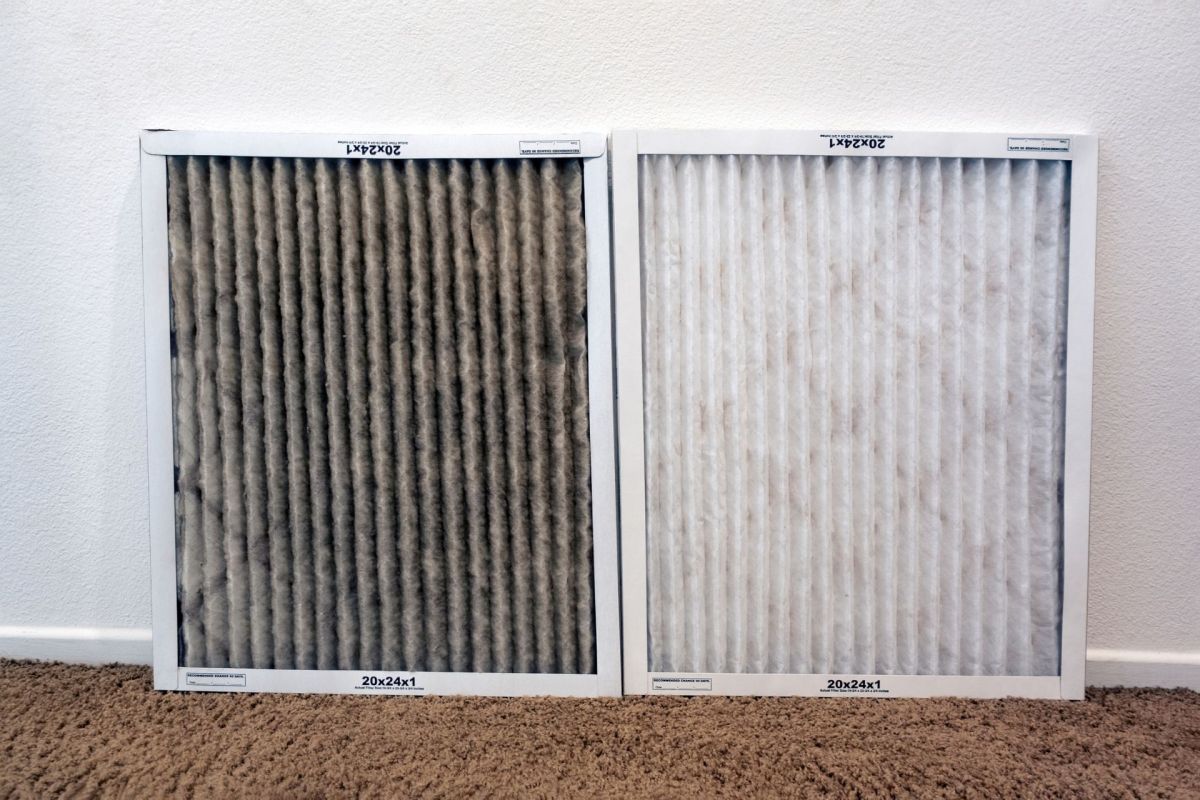
Spending just a few minutes on one HVAC cleaning chore can spare homeowners a far costlier seasonal problem.
HVAC professionals say a dirty air filter deserves attention before fall, even if it seems minor, because replacing it can help protect the system itself as well as reduce monthly energy costs.
Here's what to know
If an air conditioner has been running all summer, heading into cooler months without changing a clogged filter can put the system under added stress. When the filter is dirty, airflow is reduced, the equipment has to work harder, and efficiency drops.
As Homes & Gardens reported, Vanessa Ferrara, co-owner of South Florida air conditioning company Dang It's Hot!, said the filter serves as the system's line of defense against dust, pet hair, and other airborne debris.
"After a long, hot summer, especially in warmer climates like South Florida where the AC runs almost non-stop, a dirty filter can cause restrictions and reduce the airflow through the system," Ferrara said.
When airflow is restricted, the result can be higher energy consumption, more wear on the equipment, and a greater chance of freeze-ups or other problems that may cost much more to fix than replacing a basic filter.
TCD Picks » Quince Spotlight
💡These best-sellers from Quince deliver affordable, sustainable luxury for all




More background
This matters even more at the point in the year when households start shutting windows and depending more on recirculated indoor air. Alex Marsh, CEO and founder of Bearcat Heating & Cooling in Spokane, Washington, likened the job to standard car upkeep.
"Think of the air filter like the oil in your car," Marsh told Homes & Gardens. "You wouldn't run a full summer of hard driving and then skip the oil change before a road trip, but that's exactly what happens to most furnaces and ACs every fall."
A new filter can do more than trim energy use; it may also make the home feel more comfortable by helping the system handle seasonal pollutants. Marsh said fall often brings allergens including ragweed and mold just as families begin spending more time inside.
Because the job is inexpensive, replacing the filter is an easy way to help costly HVAC equipment last longer, keep indoor air cleaner, and avoid higher utility bills from an overworked system.
What can be done?
Changing the filter is among the few HVAC maintenance tasks that most homeowners can do on their own.
To do it, homeowners should switch the system off at the thermostat, take out the old filter, and install a new one of the same size. Homeowners can match a filter to the printed dimensions on the old filter's frame and insert it with the airflow direction arrow facing toward the unit."
Another frequently made error, experts said, is putting the new filter in backward.
Marsh said, "The airflow arrow must point toward the furnace or air handler." He added, "Putting it in backwards is the number one DIY mistake, and it chokes the exact airflow you're trying to protect."
Ferrara said some systems may need filters changed more frequently due to a variety of factors, including pet hair, how often the system runs, and the season.

Get TCD's free newsletters for easy tips, smart advice, and a chance to earn $5,000 toward home upgrades. To see more stories like this one, change your Google preferences here.






