


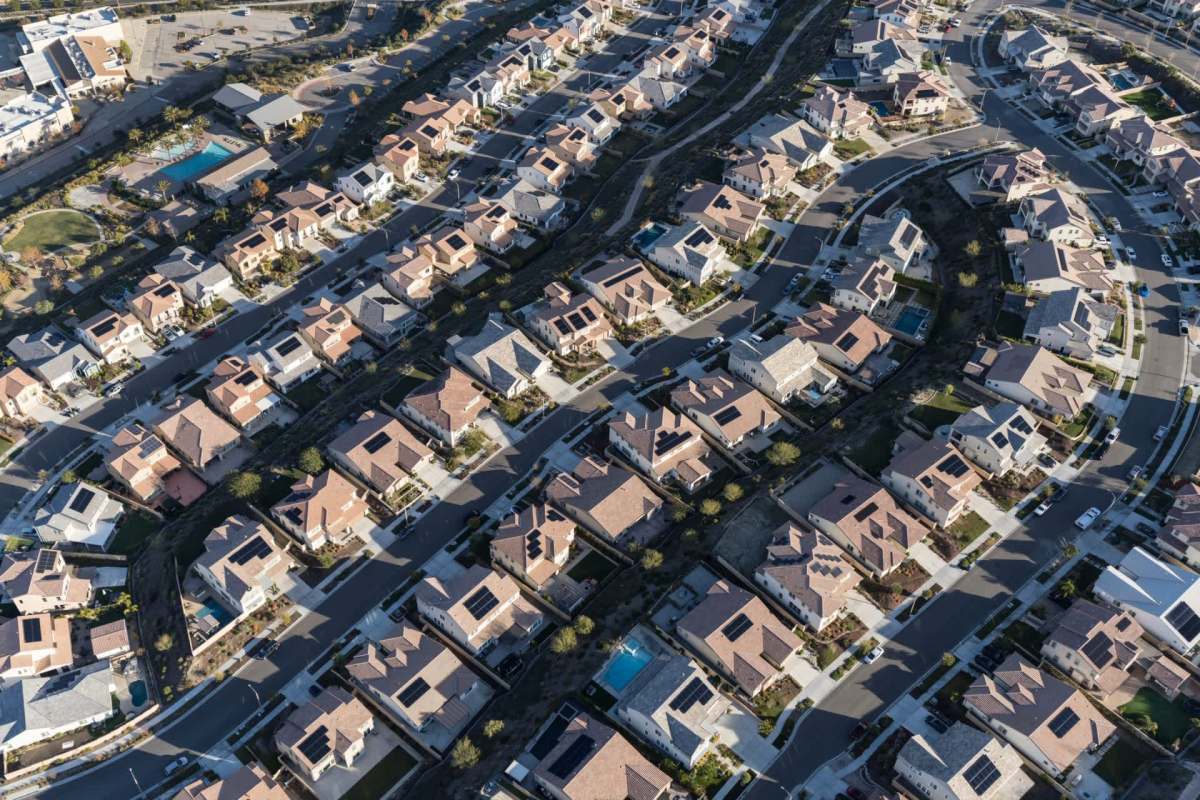
A recent survey conducted by the Public Policy Institute of California shows that a plurality of Californians understandably named wildfires as the top environmental issue facing the state, per KQED.
However, state residents also remain reluctant about the higher prices that an effective fight against the changing climate would bring. When asked if they're willing to spend more money on renewable energy, only 40% of respondents said "yes."
"A lot of people are understandably concerned about how this may affect their ability to afford their home," said Michael Wara, a climate and energy expert at Stanford, per KQED. "And, of course, everyone in California is struggling to afford their home in the first place. So this is like a wild card that they're being dealt by climate change and wildfire."
What is renewable energy?
As the name suggests, renewable energy is energy made from renewable sources that consistently replenish at a relatively quick and stable rate. These include solar, wind, and hydropower.
In contrast to fossil fuels, which have been a major contributor to climate change over the past century-plus, renewable energy sources are incredibly energy-efficient. As the technology involved in their harvesting has gotten better and cheaper, renewables are now closer than ever to becoming the globe's dominant form of energy.
Why is renewable energy a cause for concern?
The costs of shifting long-held infrastructure from fossil fuels to renewables are significant, as are some of the attendant costs of owning items like electric vehicles.
And this is a very precarious economic moment, especially in the United States, something even acknowledged by one of the survey's analysts.
"Affordability and cost of living are generally the top issues that Californians say the state is facing," said Lauren Mora, a survey analyst at the Public Policy Institute of California, per KQED. "Californians are already not happy with the costs that they're paying on energy bills. And when we ask about the possibility of paying more, Californians are just not for it."
How clean energy affects wildfires & climate change
It's unfortunate that so many people still feel anxiety about the rising costs associated with cleaner energy, because at this point in human history, those associated costs should be considered as necessary an expense for living as rent/mortgage payments, utilities, and groceries.
Renewable energy can significantly decrease the risk of wildfires in numerous ways. Its decentralized power systems reduce the amount of infrastructure necessary to maintain; it doesn't require flammable fuels or high heat for operation, and advanced storage technologies enable it to be used at will, reducing the need for fire-friendly backup generators.
TCD Picks » Upway Spotlight
💡Upway makes it easy to find discounts of up to 60% on premium e-bike brands





|
How often do you worry about your energy bills? Click your choice to see results and speak your mind. |
 Every day 😥
 Ultimately, it seems a compromise may have to be reached, where California is able to install clean energy technology, but at a scale where it does not financially compromise the state's citizens beyond their economic comfort.
"Californians have a preference for environmental quality, that's been true forever," Wara said. "[But] can they afford to express that preference in their choices? It's getting harder and harder for them to afford that."

Join our free newsletter for easy tips to save more and waste less, and don't miss this cool list of easy ways to help yourself while helping the planet.
Cool Picks






