


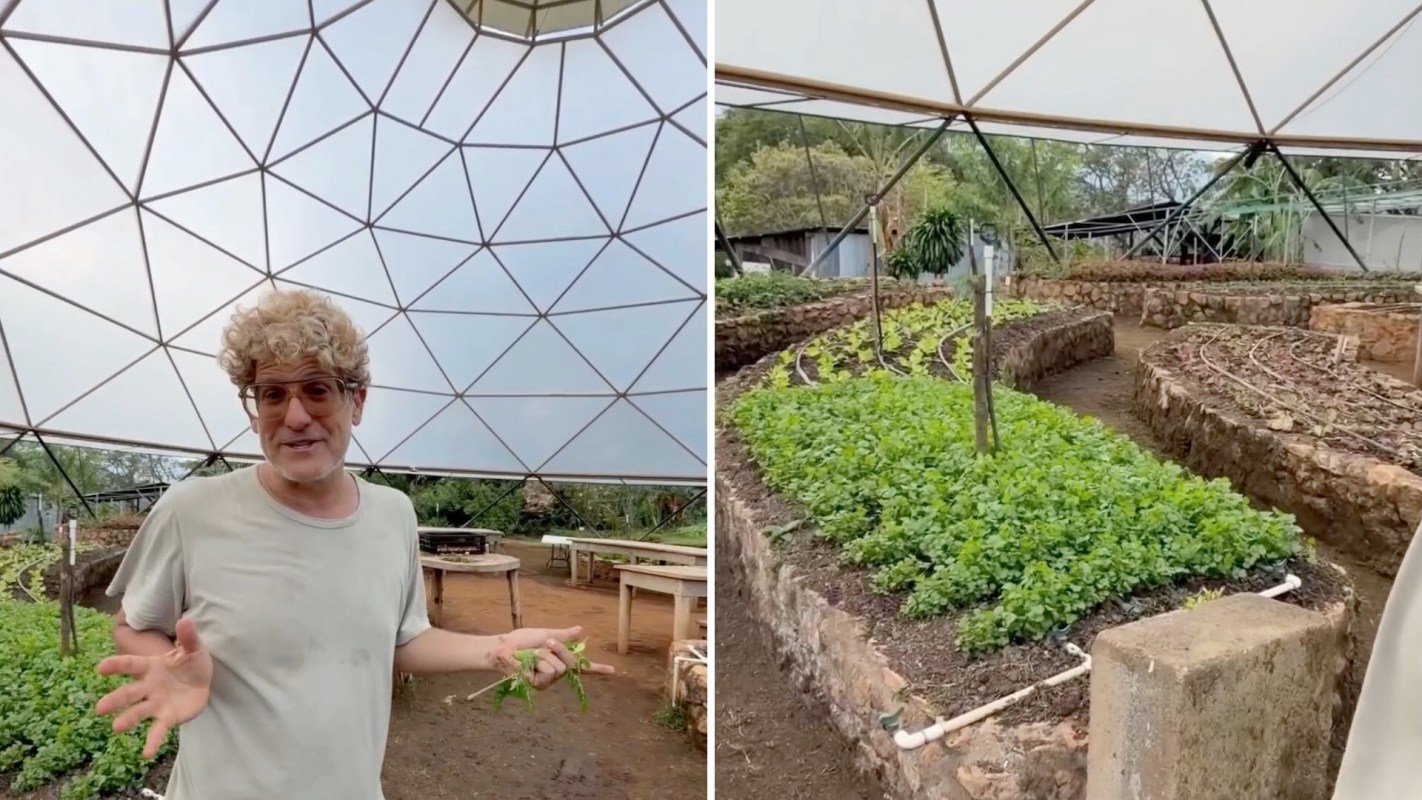
One of permaculture's core principles is to design regenerative gardens so a single planting can do several jobs at once, from producing food and cooling an area to improving soil and supporting wildlife.
That was the focus of a July 31 Instagram post from Ecoversity, which highlighted permaculture's principle of "stacking functions." In that approach, plants and other garden features are designed to play multiple roles.
What's happening?
Using real gardens as examples, Stephen Brooks, a featured speaker in the Reel, showed how that principle works in practice. The post summed it up simply: "One reason regenerative gardens are so resilient? Stacking functions."
The idea matters because it asks gardeners to look beyond a plant's most obvious use. A tree, for example, is not only a source of fruit or only a source of shade, and regenerative design encourages that broader view. As the post explained, "In nature, nothing exists in isolation."
Ecoversity noted that a single tree "can nourish the soil, provide food, create habitat, offer shade, and support the life around it, all at once." Put into garden terms, one planting can benefit nearby crops, help protect soil moisture, and raise the productivity of the whole yard.
In the video, Brooks highlights the numerous benefits of a small dome that protects more delicate plants like lettuce and cilantro from the harsh sun and heavy rains. They also use the shaded space to distribute baskets of food and hold public events.
TCD Picks » Quince Spotlight
💡These best-sellers from Quince deliver affordable, sustainable luxury for all




Why does it matter?
Many people are looking for ways to make home gardens more productive without spending more on water, fertilizer, or replacement plants. A landscape that serves multiple functions can be more resilient in hot weather and more efficient with time and resources.
Growing food at home can help reduce grocery bills, particularly when it comes to herbs, greens, tomatoes, and other expensive produce. It can also provide fresher, better-tasting food harvested at the right moment instead of after shipping and storage.
Gardening can also support physical and mental well-being. Digging, planting, pruning, and harvesting add light movement to daily routines, while time spent outdoors has long been linked to lower stress and improved mood. A more resilient garden can make those benefits easier to sustain.
When plants take on several useful roles, gardeners may not need to work as hard. If the garden shades its own soil, draws in pollinators, or cycles nutrients more naturally, fewer outside interventions may be needed to keep it thriving.
What can I do?
You do not need a complete permaculture overhaul to apply this idea. Even a small food garden can begin stacking functions with one fruit tree, a few pollinator-friendly flowers, ground cover to protect soil, and herbs or vegetables planted underneath or nearby.
Think in layers. A tree can create shade, vines can climb a trellis, lower plants can cover bare ground, and flowers can attract beneficial insects into the space. Even a balcony or compact yard can make use of containers, vertical growing, and companion planting to get more out of a single area.
If you are just getting started, here are a few practical ways to begin growing your own food. Starting small can still help you save on produce, enjoy fresher meals, and build confidence over time.
Perfection is not the goal. The idea is to arrange a garden so its elements support one another, which can reduce the labor and outside inputs needed to keep it going.

Get TCD's free newsletters for easy tips, smart advice, and a chance to earn $5,000 toward home upgrades. To see more stories like this one, change your Google preferences here.






