


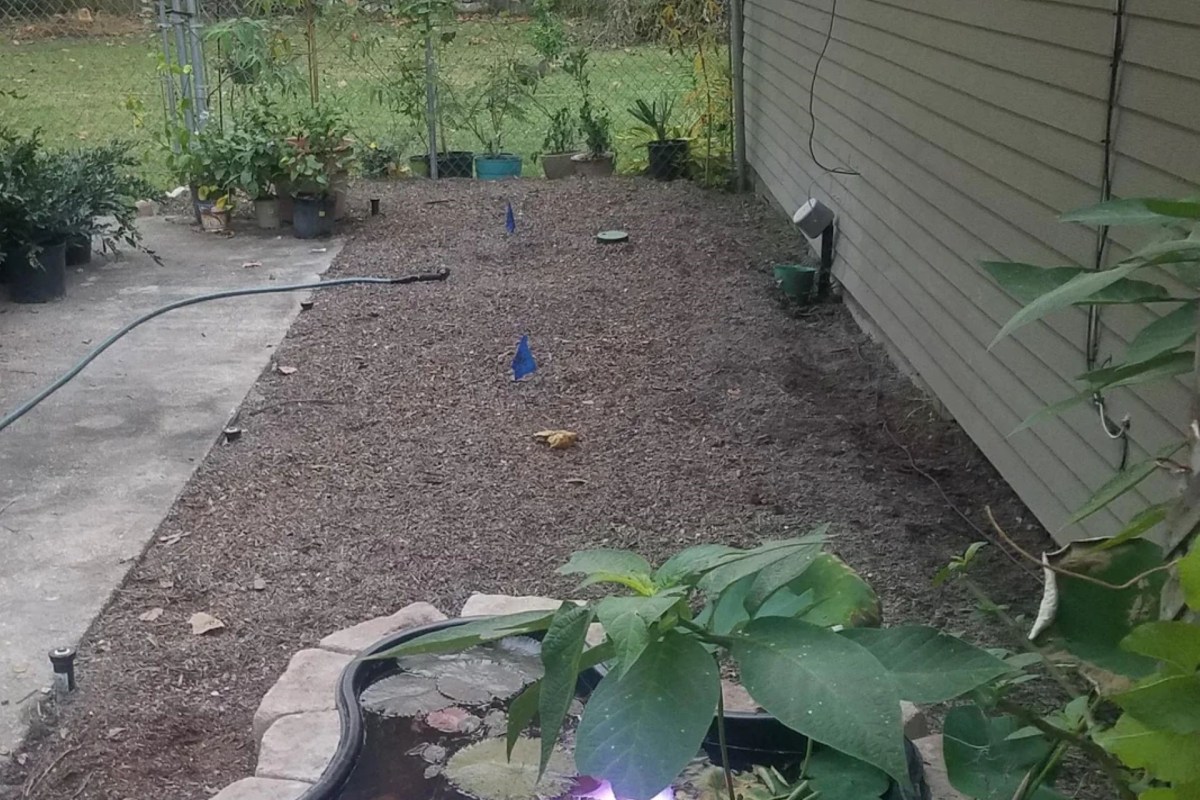
Imagine taking the road less traveled and turning your lawn into a personal paradise, rather than a humdrum, monoculture fit to inspire precisely no one. A Redditor decided to do just that, posting before-and-after pictures in the r/gardening subreddit as a source of stunning inspiration.
What was once a hodgepodge of various bushes and a mostly empty mulch bed was transformed into a slice of southeastern Louisiana heaven; what one user called: "Beautiful! A great transformation." After looking at the pictures, perhaps that's an understatement.
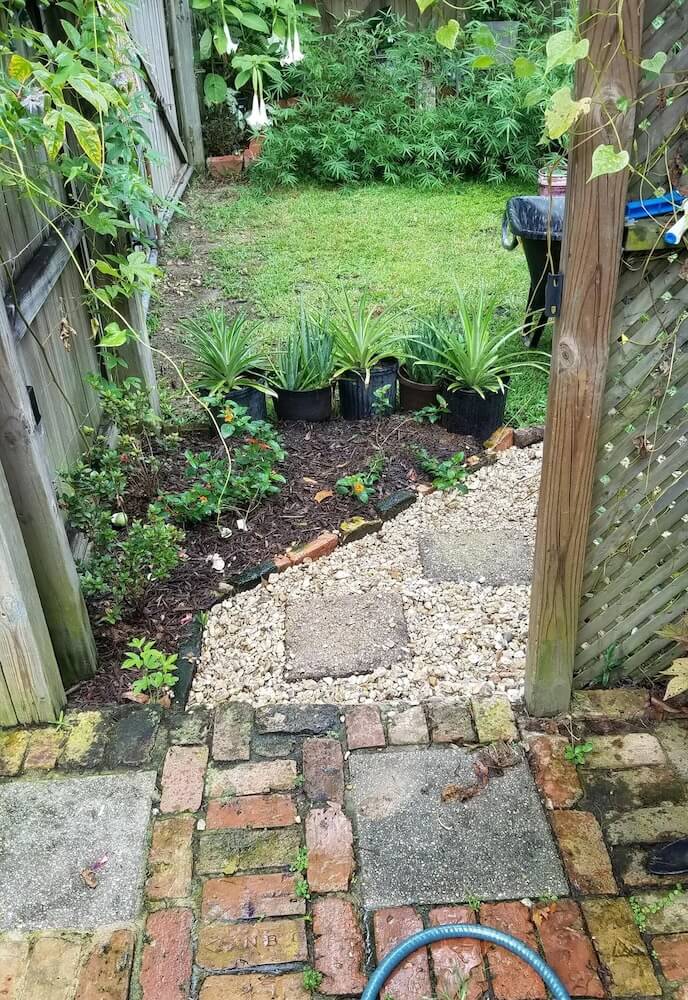
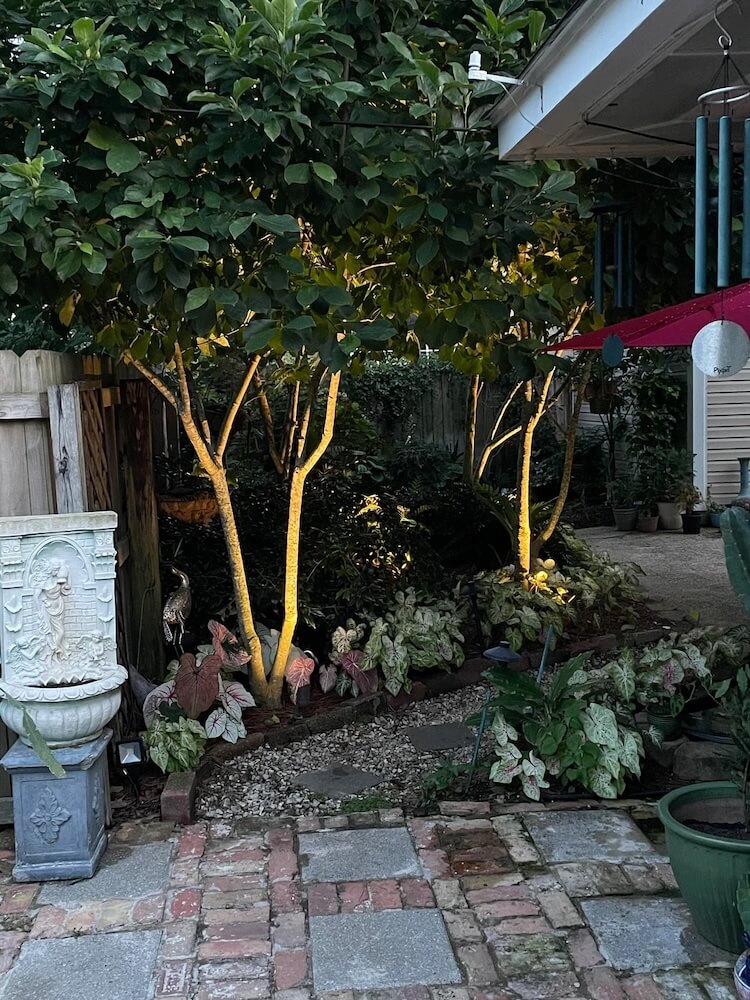
Not every plant in the posted photos is native to southeastern Louisiana, but several are. Others are widely naturalized and cultivated in the region, such as the Natchez crepe myrtle.
Bald Cypress is native, while many others are commonly subtropical or tropical, typical for gardeners in the southeast. Instead of an open lawn bearing up in the wet heat of the southeast, the OP produced a shaded, gorgeous vista as peaceful as it is astonishing.
There's more to native planting than just visual appeal. A monoculture lawn requires constant maintenance, combating disease, bugs, and exposure with excessive watering, pesticides, and consistent (and often expensive) landscaping throughout the year.
Native plants, and the subtropical variations in the post, are hardier, self-sustaining in an environment that matches their strengths. They have deep, developed root systems, improving the soil structure and retaining moisture (lower water bills).
They've evolved alongside the native pests of the area, becoming more resistant to them, offsetting the need for pesticides, fertilizers, or chemical treatments. At the same time, they are far more attractive to pollinators, an absolute necessity to the local ecosystem and life cycle.
A consumer Gardening Report from the National Wildlife Federation indicates that 34% of adults are purchasing plants to help wildlife, with 25% going for purely native plants, rewilding their lawns, or bolstering existing native plants.
It's cheaper, conserves resources like water, and the physical aspect of gardening is a proven mental and physical health boost, according to research posted in the National Library of Medicine.
Less time and less energy in exchange for stunning views, natural beauty, and fewer pests. Not a bad trade-off.
TCD Picks » Quince Spotlight
💡These best-sellers from Quince deliver affordable, sustainable luxury for all




|
What is your least favorite lawn chore? Click your choice to see results and speak your mind. |
 Mowing the grass 🌱
 The comments section couldn't help but agree.
"So good. Contrats," one user said.
"Wow. Absolutely gorgeous, and I bet it's beautiful at night," another commenter said.
It sounds like it's time for the OP to post some nighttime pics, too.

Join our free newsletter for easy tips to save more and waste less, and don't miss this cool list of easy ways to help yourself while helping the planet.
Cool Picks




