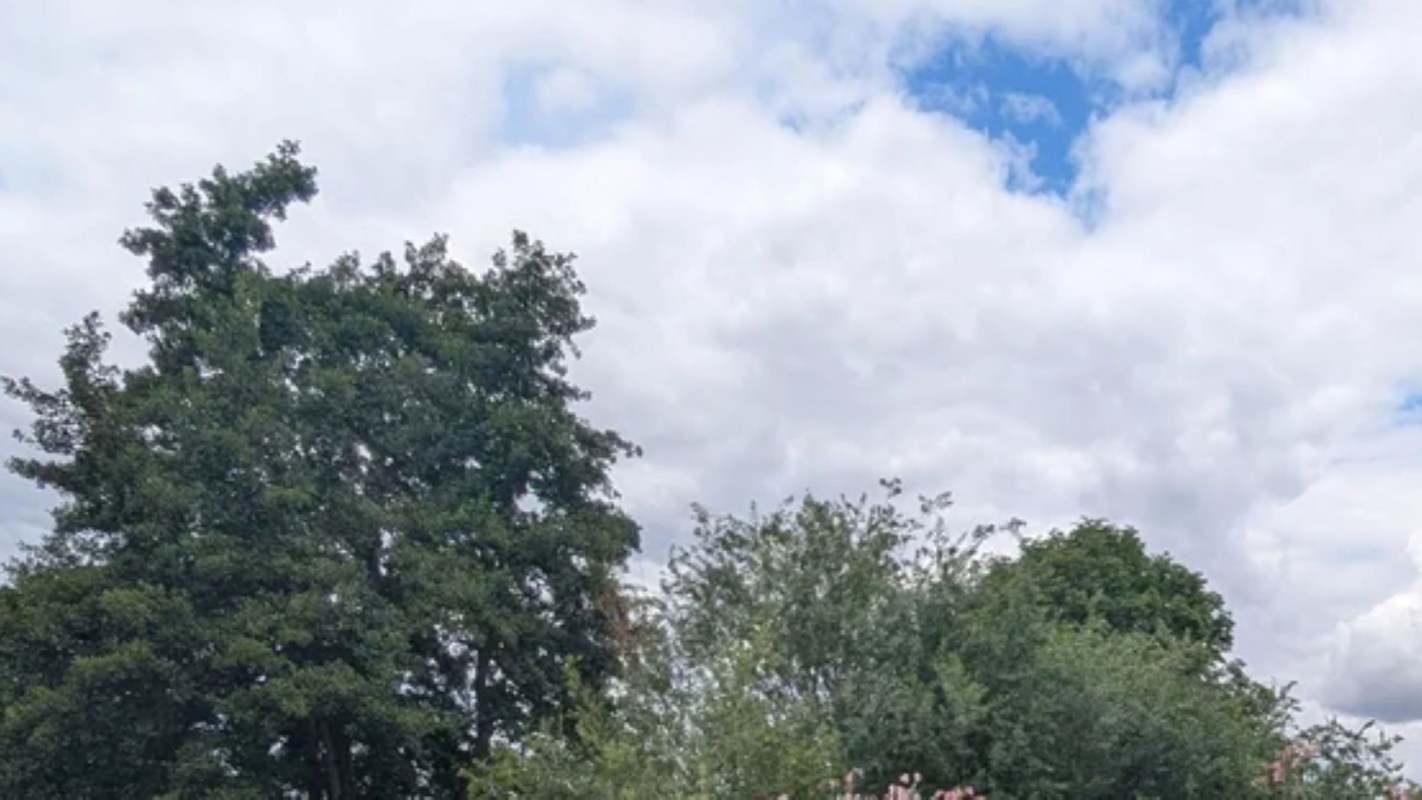
At a homeowner's new property, a well-established garden has begun to show its true colors as warmer weather brings it back to life.
"Our garden ends with a river. We've had tons of these beautiful flowers appear all along the bank, and they're massive," the gardener posted on Reddit recently. "I was admiring them when the thought hit me — where's the catch!"
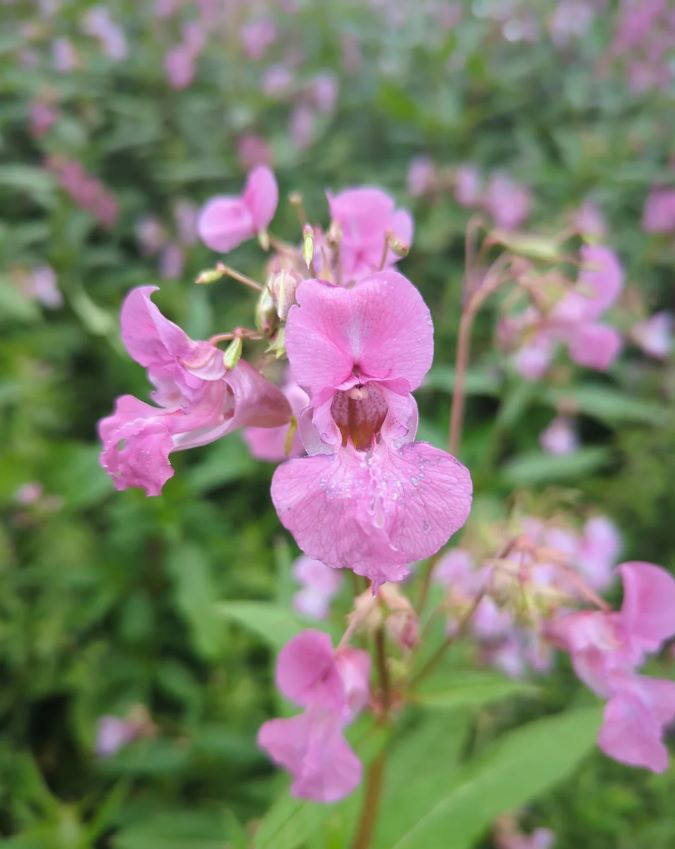
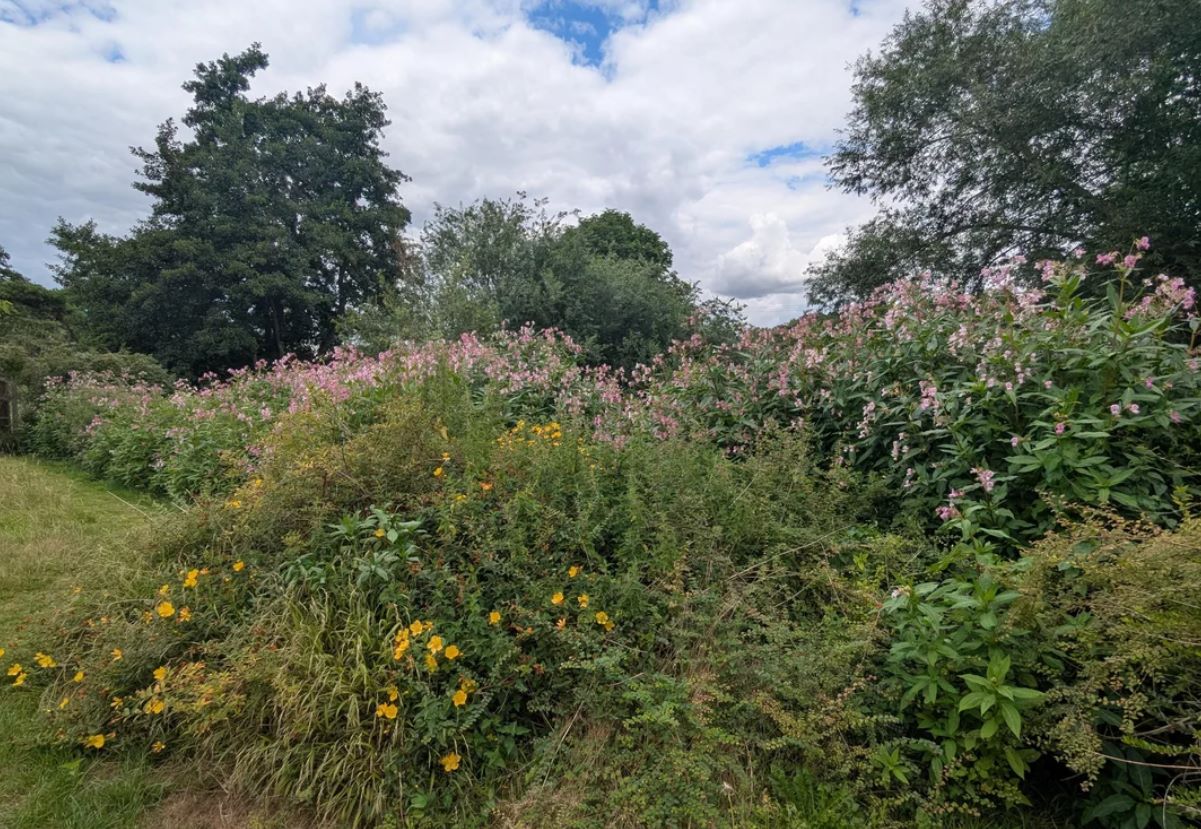
Their suspicions were unfortunately correct, as the budding plant was later revealed to be the Himalayan balsam — an invasive plant species in the region.
"There's so much of it, I don't know where to start," they said. "Apparently it can't even go in the garden waste bin!"
The Himalayan balsam is an invasive species that was introduced to the United Kingdom in the early 19th century from the west and central Himalayas, according to the Somerset Wildlife Trust. The huge pink blooms are commonly spotted along riverbanks and wet woodlands, as they rely on moist and semi-shaded habitats.
Himalayan balsam has a major impact ecologically because it grows so large and so rapidly, which slowly kills off native plants in the ecosystem. Each individual plant can also create at least 500 seeds, allowing it to reproduce rapidly through its resilient seed dispersal.
TCD Picks » Good Store Spotlight
Get 10% off your next purchase with code TCD10

In this Redditor's case, the plants likely came to exist on their property through seeds flowing down the river from upstream and establishing themselves on the riverbanks. Commenters were quick to offer advice on how to manage the invasion.
"Himalayan balsam are easy to pull up," one noted. "They're invasive because they are prolific rather than because they have the nightmare wont-die attitude of something like Japanese knotweed."
Others suggested snapping the stems, after being pulled up, to dry them out quicker, while others noted that these measures might be an uphill battle.
"You are likely to have this as an ongoing issue unless other people upstream are tackling the issue as well," another commenter said.
|
What's the hardest thing about taking care of your yard? Click your choice to see results and speak your mind. |
 Mowing the lawn 🏡
 The homeowner, though, seems keen to tackle the invasive issue from all angles.
"I'm aware that there have been community efforts to remove these upstream so I'll get in touch with the local river group to see what they say!" the original poster said in a comment. "I'll also have to talk to my neighbours as I can see they have loads too, and the fishing club that owns the opposite bank."

Join our free newsletter for easy tips to save more and waste less, and don't miss this cool list of easy ways to help yourself while helping the planet.