


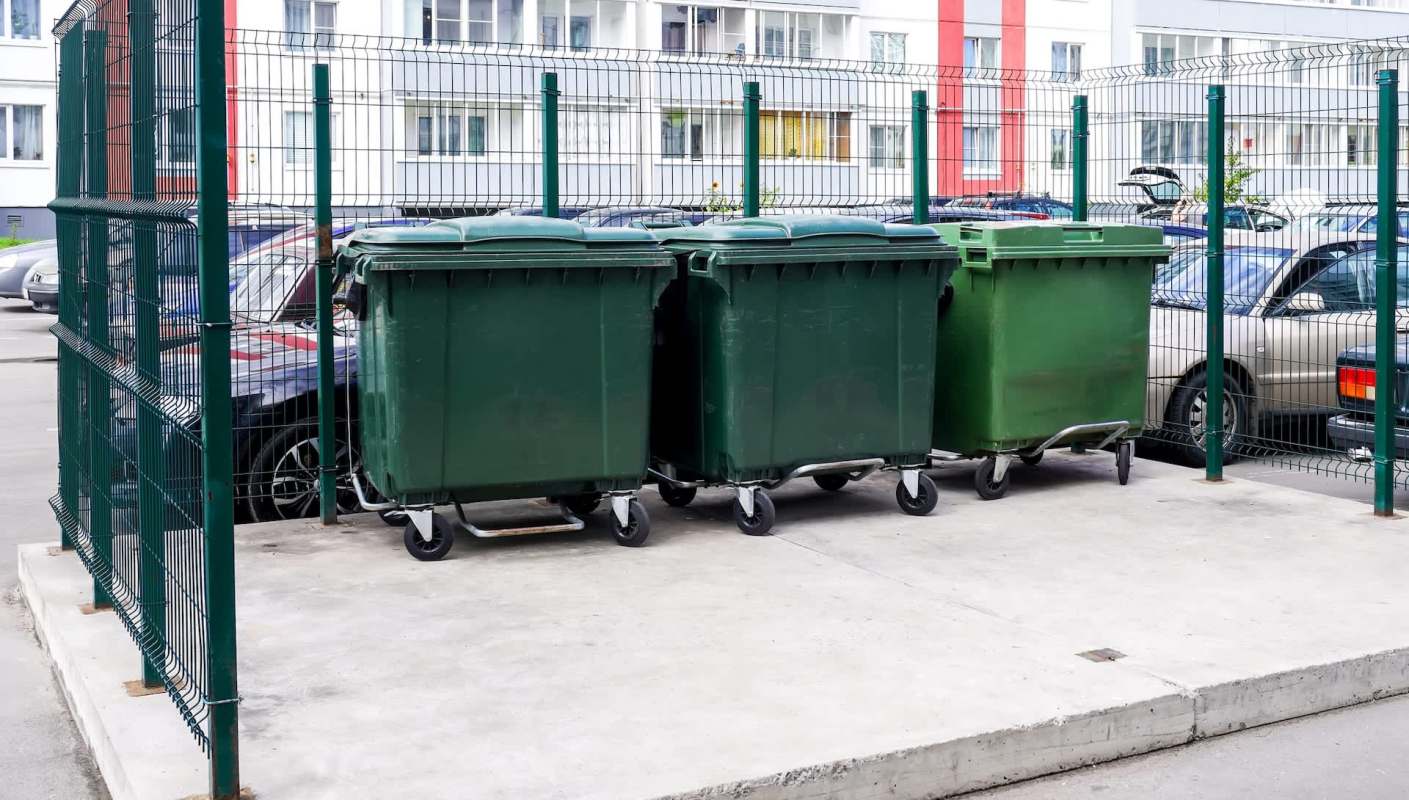
A first-time dumpster diver struck gold behind a retail store, rescuing dozens of perfectly good snack bags that were headed for the landfill.
What happened?
A Redditor shared their successful first dumpster dive in the r/DumpsterDiving community earlier this year. The photo shows a table covered with name-brand chips and snacks from companies like Lay's, Ruffles, Cheetos, Doritos, and others.
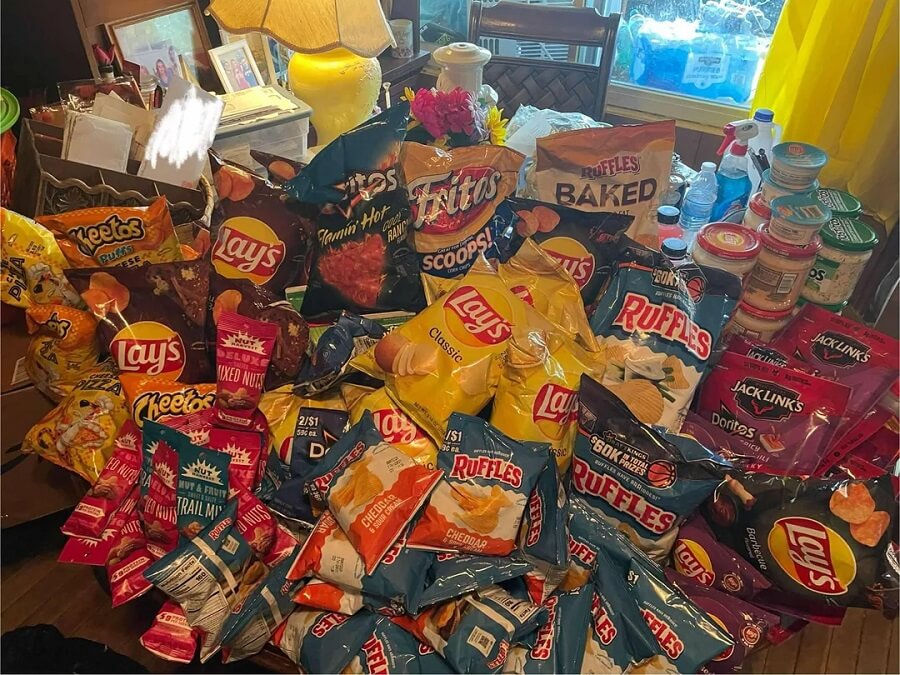
The original poster pulled all the items from the dumpster in just 15 minutes. They shared the products with someone in need, writing: "I have a friend who was living off canned vegetables. So I tossed a lot of chips his way plus extra stuff I had in my freezer like fish, cheese, and other stuff to help."
Other community members celebrated the rescue. One commenter wrote, "What a score!!!! This is amazing," while another added, "Nice work saving all that from the landfill!!!"
Why is discarded food concerning?
These packaged snacks have long shelf lives and remain safe to eat well past their printed dates, yet they ended up in a dumpster instead of in the hands of people who could use them.
When edible food is sent to landfills, it takes up space and generates methane as it decomposes. Methane traps heat in the atmosphere at a rate 80 times greater than carbon dioxide over a 20-year period.
The waste is particularly frustrating because packaged snacks like these could easily be donated. Food banks and community organizations accept sealed, non-perishable items. The friend mentioned in the post was living off canned vegetables. In this situation, even snack foods would provide a welcome variety and extra calories.
Are these brands doing anything about this?
PepsiCo, which owns Lay's, Ruffles, Cheetos, and Doritos, has committed to reducing food waste in its operations. The company partners with feeding programs and food rescue organizations to redirect unsold products.
Frito-Lay operates a food donation program that works with Feed the Children and local food banks. The company has also launched a compostable bag.
The challenge lies in getting products from store-level waste streams into donation channels before they're discarded. Food safety regulations require items to be handled properly, but sealed packages like those in the photo typically meet donation requirements.
TCD Picks » Quince Spotlight
💡These best-sellers from Quince deliver affordable, sustainable luxury for all




|
Which of these factors would most effectively motivate you to recycle old clothes and electronics?
Click your choice to see results and speak your mind. |
 Giving me money back 💰
 What's being done about food waste more broadly?
Several organizations work to rescue edible food before it reaches dumpsters. Food rescue apps like Too Good to Go connect people with surplus items from stores and restaurants.
Some states have passed laws requiring large food generators to donate edible products rather than discarding them. These policies help redirect millions of pounds of food each year.
For items that can't be safely donated, composting is a better option than landfills. Composting breaks down food waste without producing methane. Many communities now offer composting pickup services, and home composting systems work for people with yard space.
You can help by supporting local food rescue organizations, starting a compost bin, or simply buying only what you'll use. Every package saved from the trash is a win for both people and the planet.

Join our free newsletter for easy tips to save more and waste less, and don't miss this cool list of easy ways to help yourself while helping the planet.
Cool Picks




