


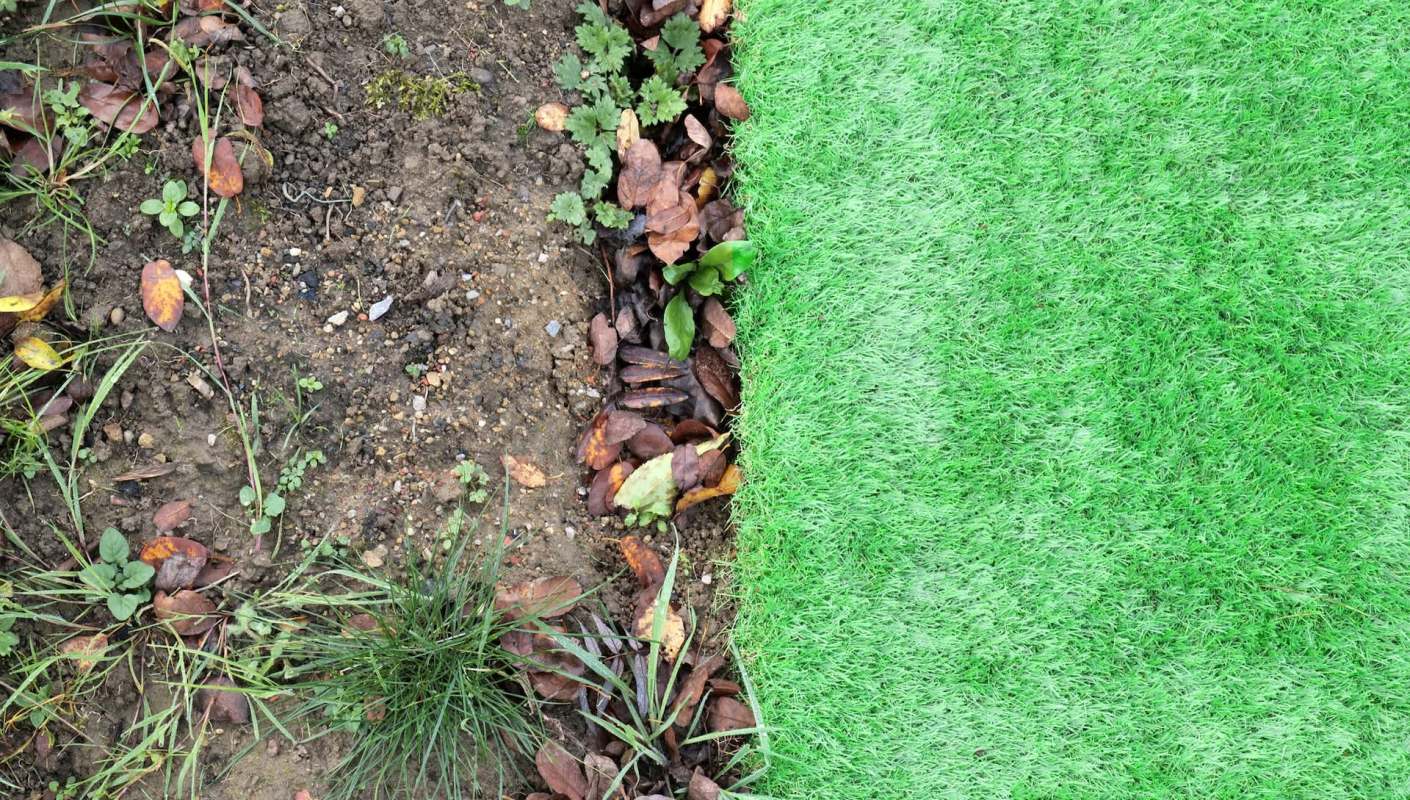
A London homeowner sparked a lively debate after asking a Reddit community whether they could replace artificial turf with a small patch of real grass in their narrow backyard.
The post drew a mix of replies, with some offering ways to make it work with careful planning. Others argued that it would quickly fail, with one commenter saying: "I would advise against a lawn in such a small space."
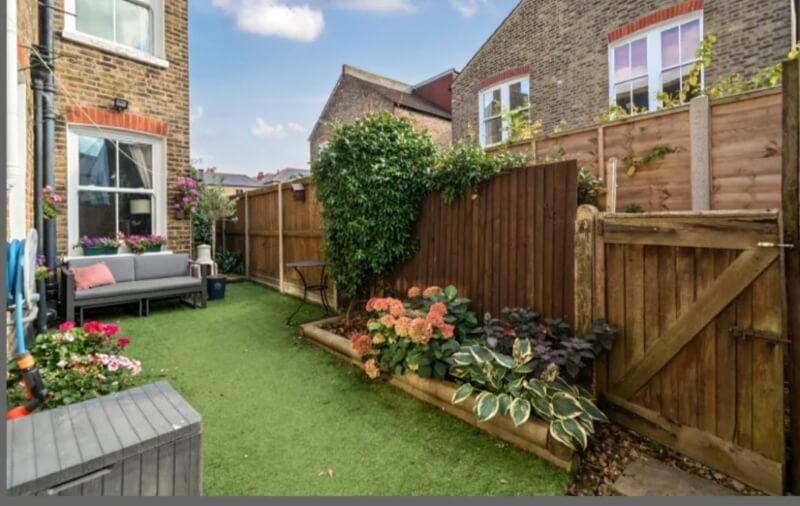
The conversation unfolded in the r/GardeningUK subreddit after the homeowner shared a photo of their garden and asked whether a lawn would be "too optimistic," especially since they weren't sure what lay beneath the turf.
The image shows a slim strip of artificial grass running from a wooden gate to a back door, bordered by raised planters and a compact seating area. Small courtyard gardens like this are common in the U.K., where outdoor space often takes the form of narrow plots behind terraced homes.
Several commenters focused on how foot traffic would carve out a path through any grass.
One warned that a lawn in that spot would "end up with a dirt path going from the backdoor to the back gate."
Perk up the winter blues with natural, hemp-derived gummies Camino's hemp-derived gummies naturally support balance and recovery without disrupting your routine, so you can enjoy reliable, consistent dosing without guesswork or habit-forming ingredients. Flavors like sparkling pear for social events and tropical-burst for recovery deliver a sophisticated, elevated taste experience — and orchard peach for balance offers everyday support for managing stress while staying clear-headed and elevated.
Learn more → |

Another agreed that it would simply become "a path with grassy edges."
A third Reddit user suggested a compromise: "The first thing to do is know what's under the artificial grass … if it's soil you could put grass down with stepping stones from the gate to the back door."
The post prompts a wider conversation about artificial turf. Beyond the thread itself, research has detected PFAS compounds in certain turf materials. Some studies have also shown that synthetic fibers can shed plastic fragments under sunlight and regular wear.
Additionally, maintaining turf often involves brushing fibers upright, clearing debris, and occasionally replacing infill. Although turf is often marketed as a simple, low-maintenance solution, installation can be expensive upfront, and replacing worn sections later adds even more cost over time. Once turf wears out, recycling options are limited.
TCD Picks » Upway Spotlight
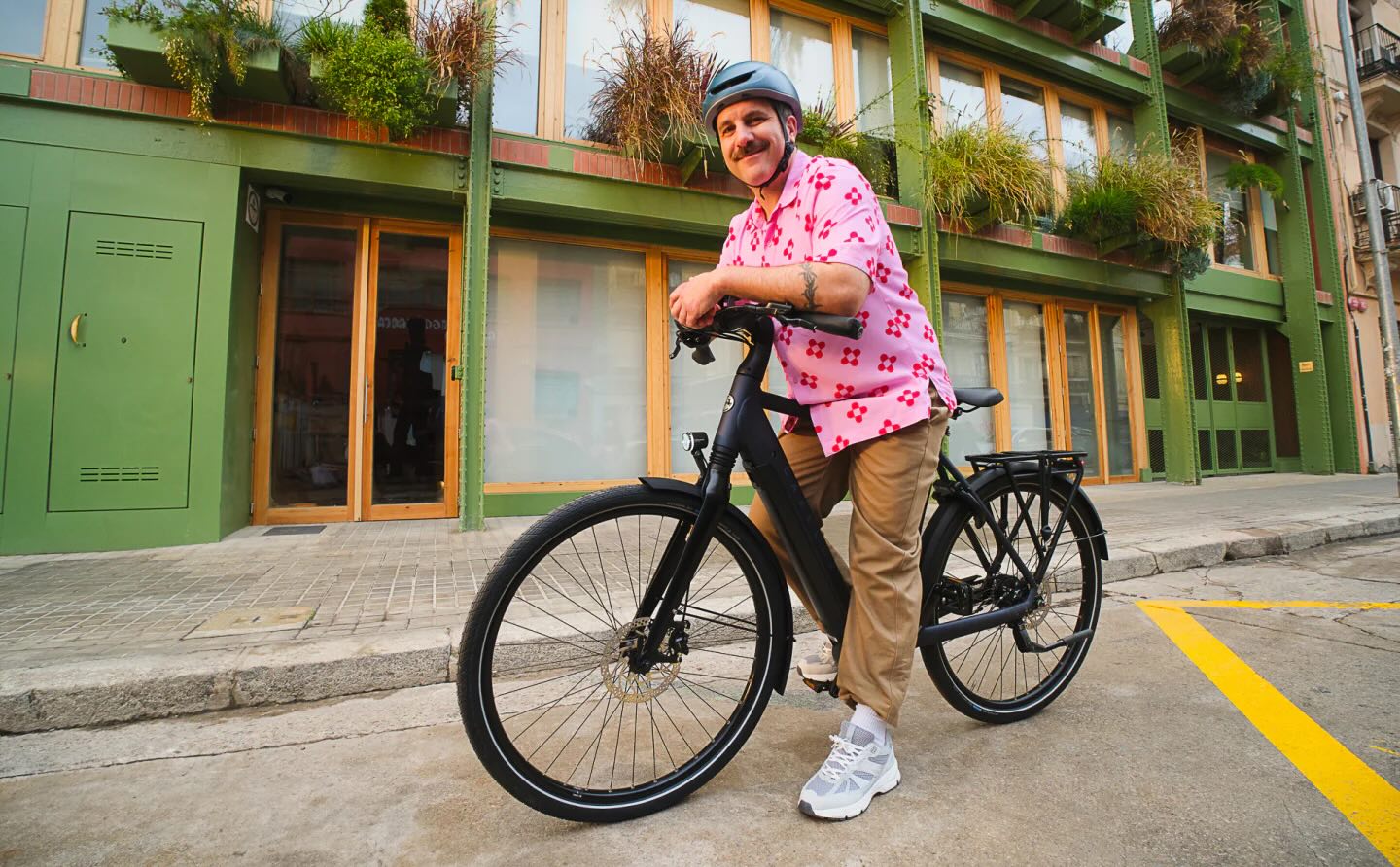
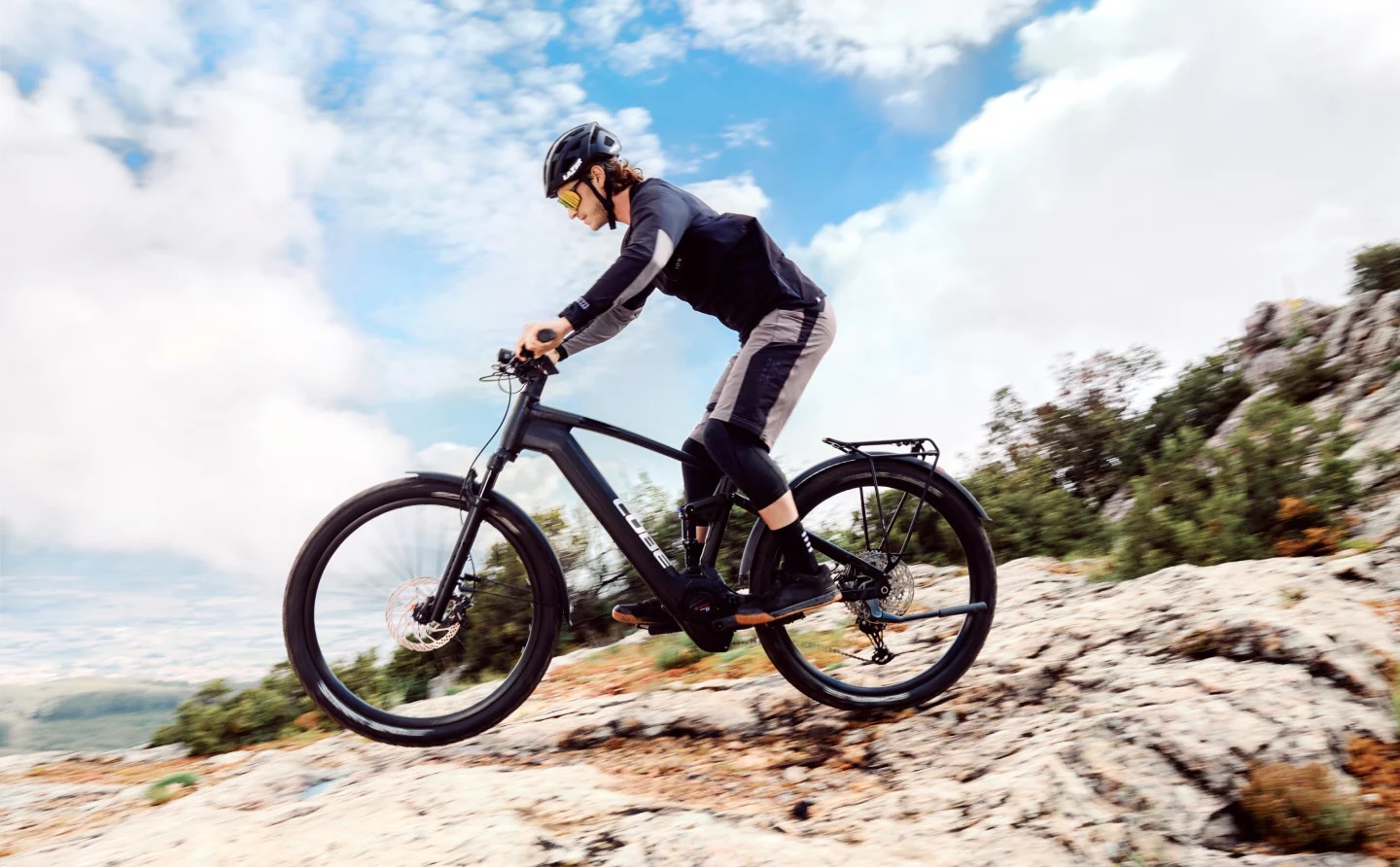
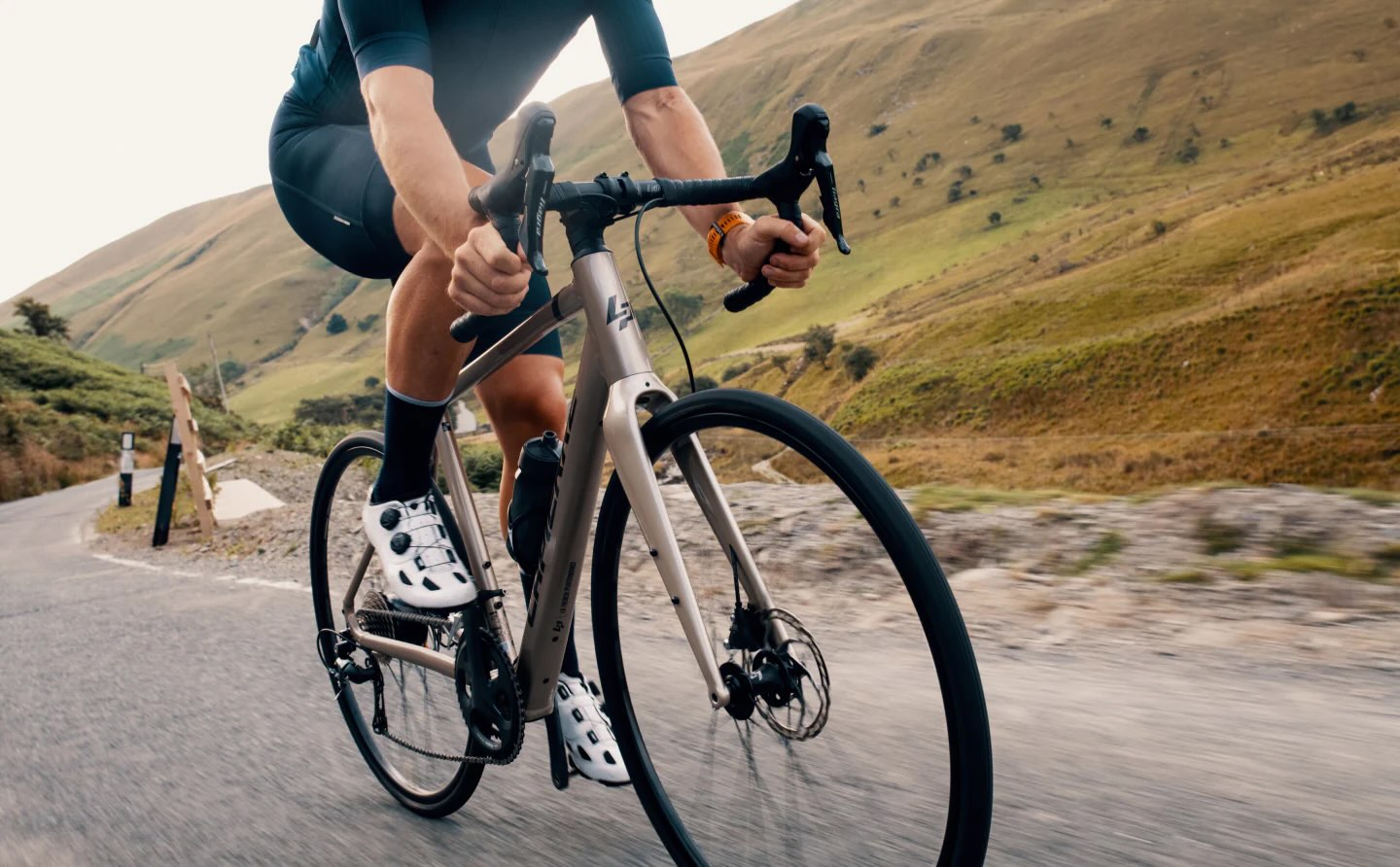
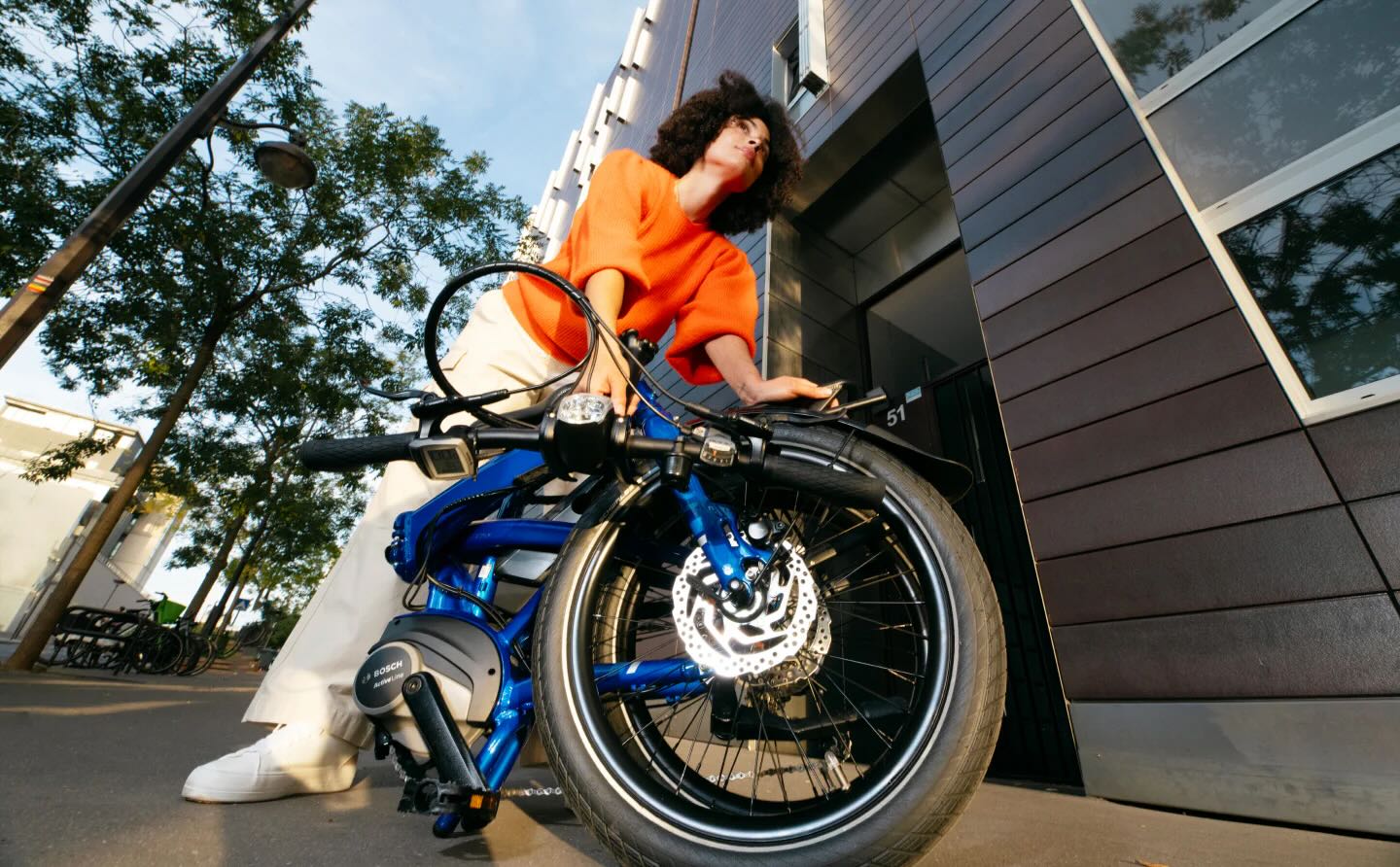
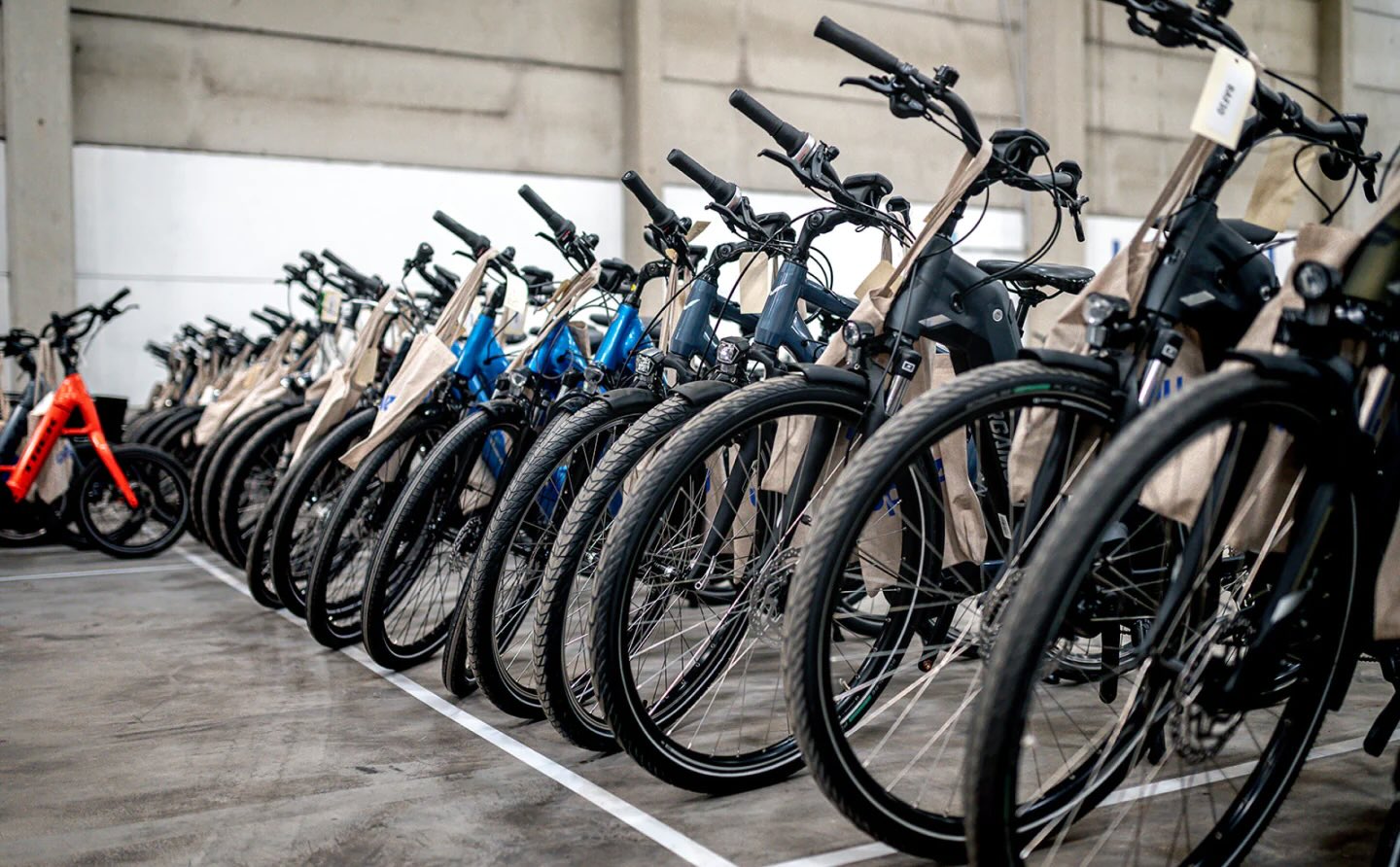
💡Upway makes it easy to find discounts of up to 60% on premium e-bike brands
|
If you were to switch from a grass lawn to a more natural option, which of these factors would be your primary motivation?
Click your choice to see results and speak your mind. |
 Making it look better 🌱
 Environmental impacts are also a factor. Synthetic grass doesn't offer food for pollinators, and its heat-retaining surface can raise temperatures in small urban courtyards. Those trade-offs may be why several commenters encouraged the homeowner to rethink the layout — using gravel or stone paths, more planters, or ground covers such as creeping thyme that stay green without plastic.
For anyone exploring natural approaches, this guide on upgrading your yard includes ideas for low-maintenance ground cover, drought-tolerant planting, and layouts that create greenery without artificial turf.

Get TCD's free newsletters for easy tips to save more, waste less, and make smarter choices — and earn up to $5,000 toward clean upgrades in TCD's exclusive Rewards Club.
Cool Picks






