


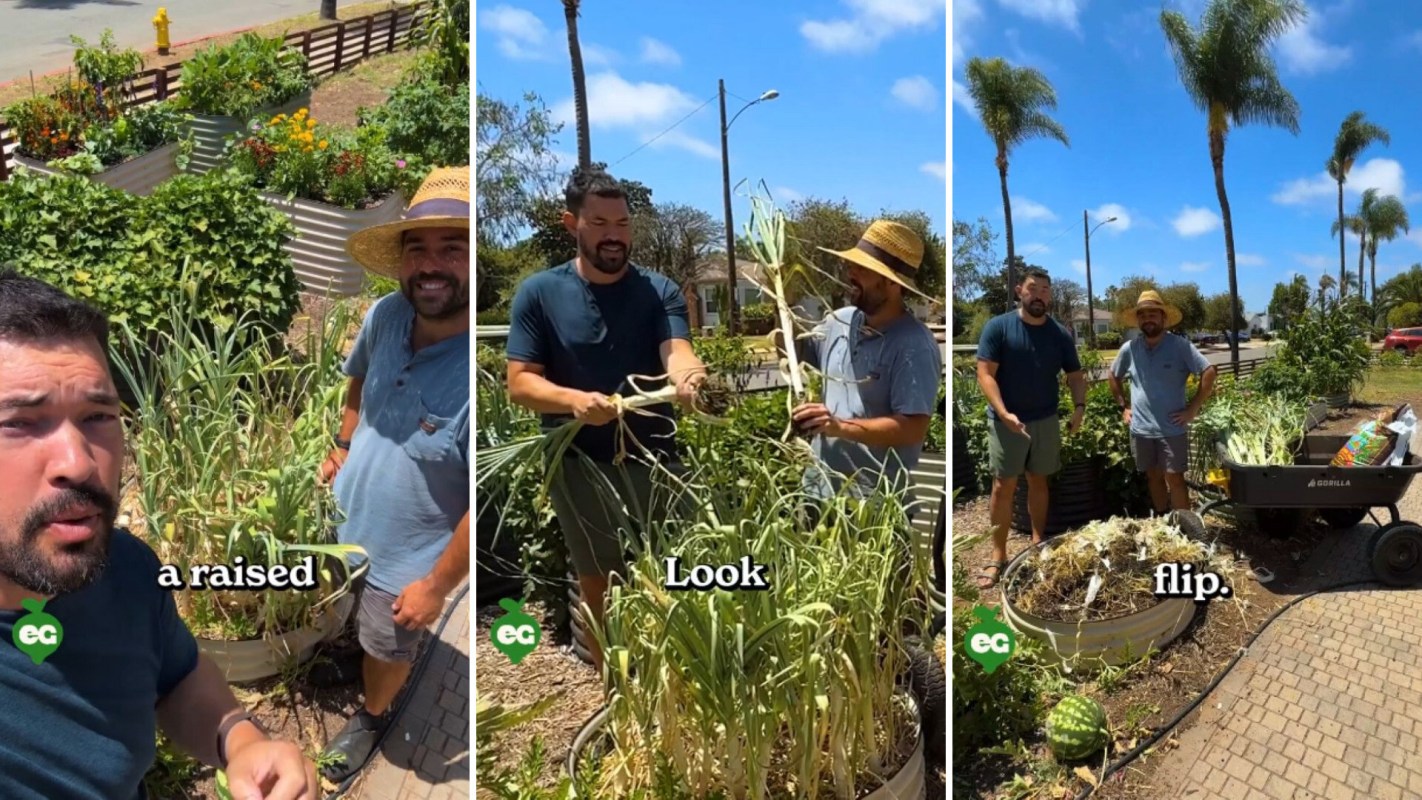
A productive raised bed does not have to become dead space between harvests. Gardening creator Epic Gardening is encouraging home growers to "rip and flip" their beds as soon as one crop is done so the next round can go in with healthier soil and better odds of success.
What's happening?
In a recent Instagram post, content creator Epic Gardening (@epicgardening) demonstrated how to reset a raised bed after it stops producing. The video centers on two gardeners removing spent plants and roots, refreshing the bed with a fresh soil mix and fertilizer, putting the irrigation back in place, and then watering the area.
The creator summed up the approach in the caption: "RIP AND FLIP - When a raised bed finishes producing, I don't let it sit empty. I rip and flip it."
Rather than leaving the space empty after harvest, the method is meant to get the garden ready for another planting. Epic Gardening says taking out old plants and root systems can help address nutrient loss and compacted spots that make it harder for new roots to grow.
Per the caption, the reset involves emptying the bed, improving the soil, restoring the watering setup, and then moving on to the next crop.
Why does it matter?
Getting more use out of a raised bed can mean more fresh food from the same amount of space. That can translate to meaningful savings on produce, especially for high-cost crops.
TCD Picks » Quince Spotlight
💡These best-sellers from Quince deliver affordable, sustainable luxury for all




Growing food at home can also improve flavor, since fruits and vegetables can be harvested at peak ripeness instead of being picked early for shipping. Beyond that, gardening gives people a chance to spend time outside, move their bodies, and build routines that can support mental health and relieve stress.
Keeping beds active can also reduce waste in the food system by helping households rely less on store-bought produce that may come wrapped in plastic or shipped long distances.
What can I do?
If you already have a raised bed, the "rip and flip" method can be a manageable way to extend your growing season. If you use drip irrigation or soaker lines, put them back after amending the bed and give everything a thorough watering.
If you're new to food gardening, even one raised bed can make a difference. Starting small can help you learn what grows well in your climate while building confidence and cutting grocery costs over time when you grow your own food.
A bed that moves from one crop to the next can stay more productive, giving gardeners more chances to enjoy fresher food and get more value from the work they put in.

Get TCD's free newsletters for easy tips, smart advice, and a chance to earn $5,000 toward home upgrades. To see more stories like this one, change your Google preferences here.






