


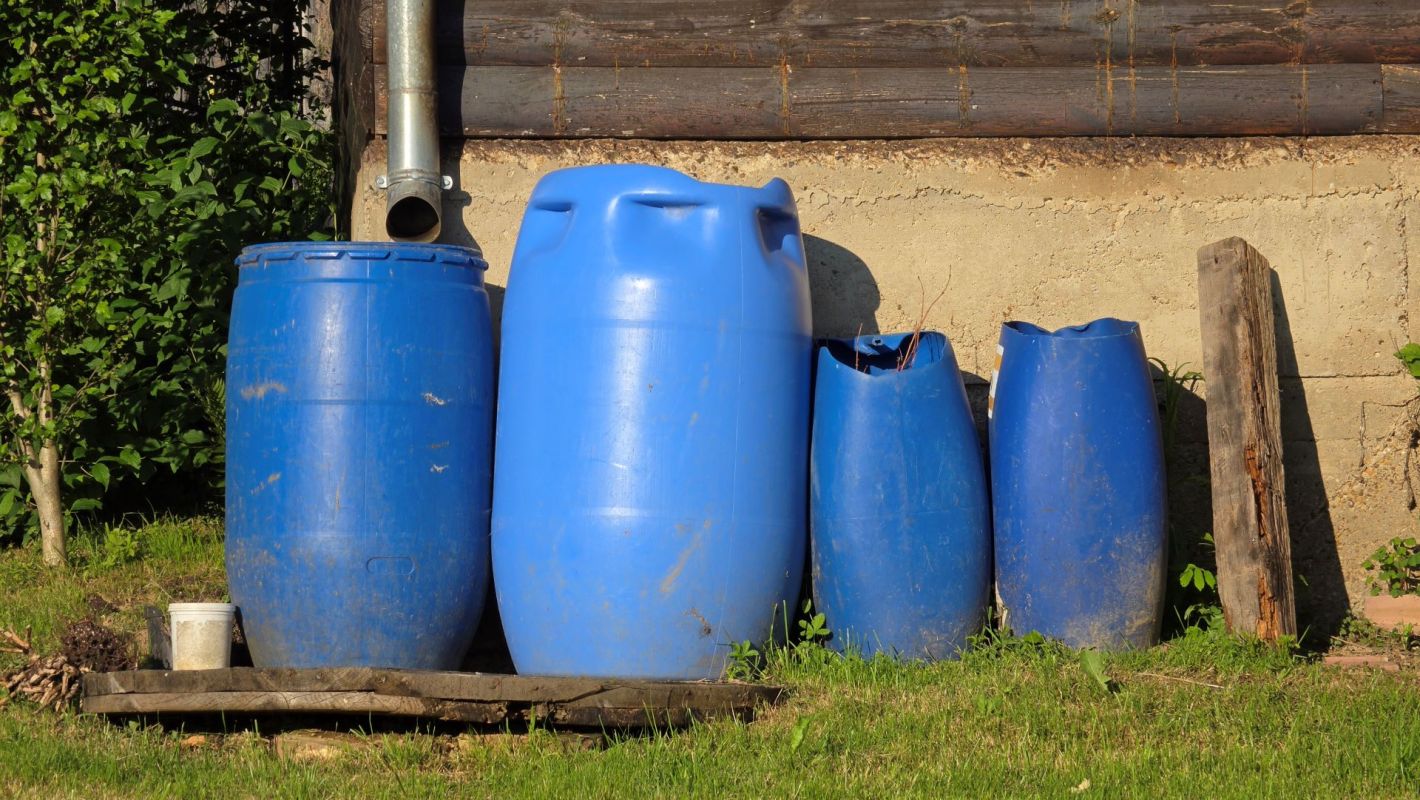
What began as a straightforward water-saving project — using rain barrels to support a vegetable garden instead of treated tap water — soon stirred neighborhood friction, only for a dry summer to change many minds.
What happened?
According to a story shared with AOL, the homeowner placed sealed rain barrels beside the garage, using screened openings so the collected water could go to tomatoes, peppers, and flower beds.
Melissa, the next-door neighbor, objected almost right away over fears about mosquitoes. The homeowner said the barrels were screened and regularly maintained, but Melissa warned, "That's what everyone says until the whole neighborhood starts getting bitten."
In response, the homeowner checked the lids again, tightened the mesh, and emptied the first-flush diverter anyway.
Questions then started coming from other neighbors, some of whom wondered whether the barrels were drawing insects. The concern eventually escalated to a city inspection after someone filed a complaint.
After examining each container, the inspector reportedly said, "I wish every rain barrel setup looked this well maintained."
TCD Picks » Quince Spotlight
💡These best-sellers from Quince deliver affordable, sustainable luxury for all




An especially dry stretch later changed Melissa's view. As gardens around the block struggled and her own flower beds began to decline, she came to the homeowner's door with watering cans and admitted, "I was wrong."
Why does it matter?
When properly maintained, rain barrels can help reduce demand on treated drinking water, lower water bills, and keep gardens alive during dry stretches. They can also capture runoff that might otherwise flow into streets and storm drains.
The conflict does not appear to have stemmed from an actual public health issue.
When rumors take the place of conversation, neighbors can become more divided. But when people ask questions and share information, common ground is often much easier to find.
What can I do?
The turning point came because the homeowner stayed calm, kept the system well maintained, and invited neighbors to see it for themselves. A weekend driveway demonstration helped others understand the inlet screens, tight lids, overflow hookups, and spigots.
If you're considering installing rain barrels, choose models with tight-fitting lids and fine mesh screens, clean them regularly, and make sure no standing water can collect outside the barrel. It is also wise to check local rules before installation.
Once neighbors got a close look at how the setup worked, several decided to add rain barrels of their own, and the street became known for colorful gardens despite the dry weather.
As another neighbor put it, "Looks like the best proof is seeing them up close instead of guessing."

Get TCD's free newsletters for easy tips, smart advice, and a chance to earn $5,000 toward home upgrades. To see more stories like this one, change your Google preferences here.






