


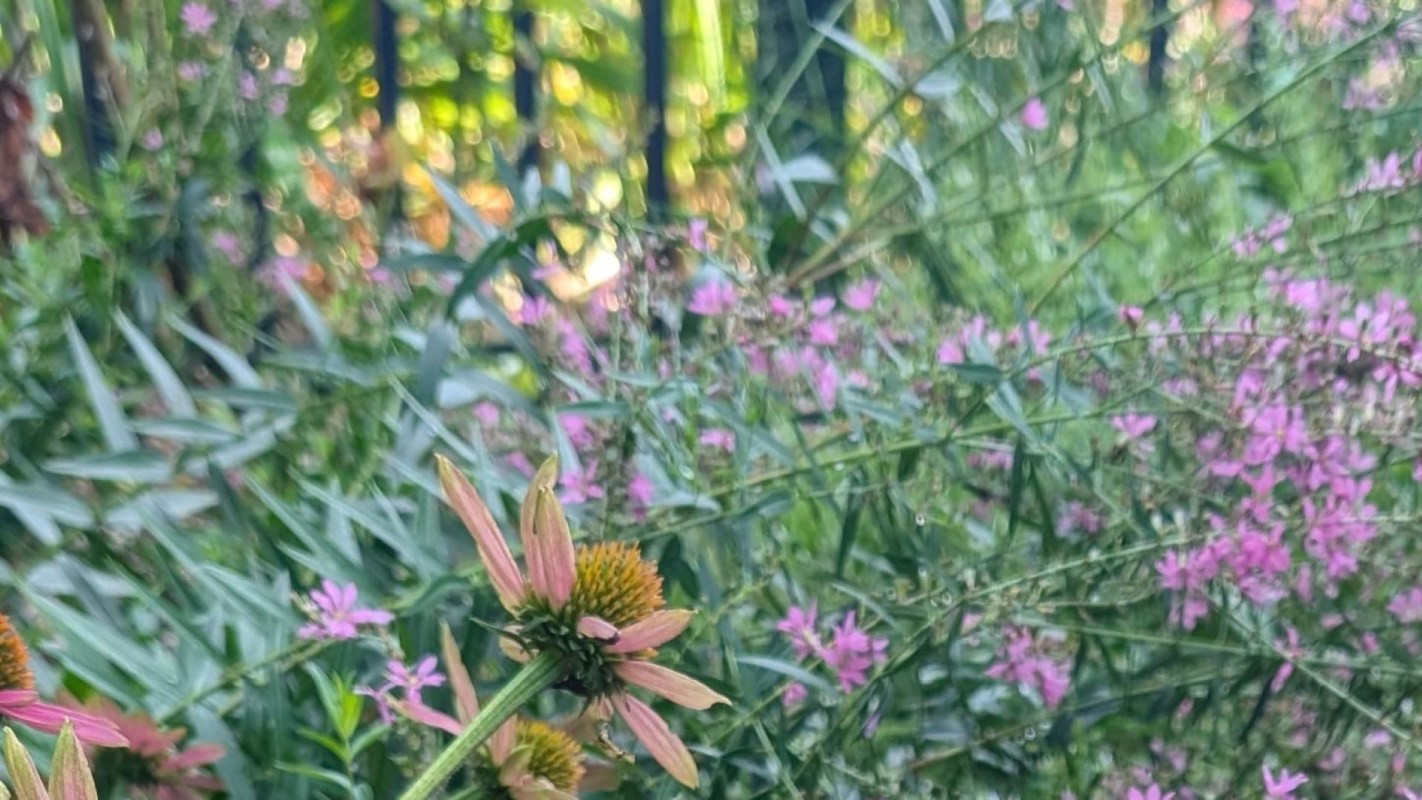
A new homeowner posted a question to a popular gardening subreddit to seek advice about the presence of an invasive plant on their property.
The thread, posted to r/NativePlantGardening, explained that there were some purple loosestrife plants in the garden. The original poster noticed some pollinators were taking to them, so they asked if the plants should be left for the time being:
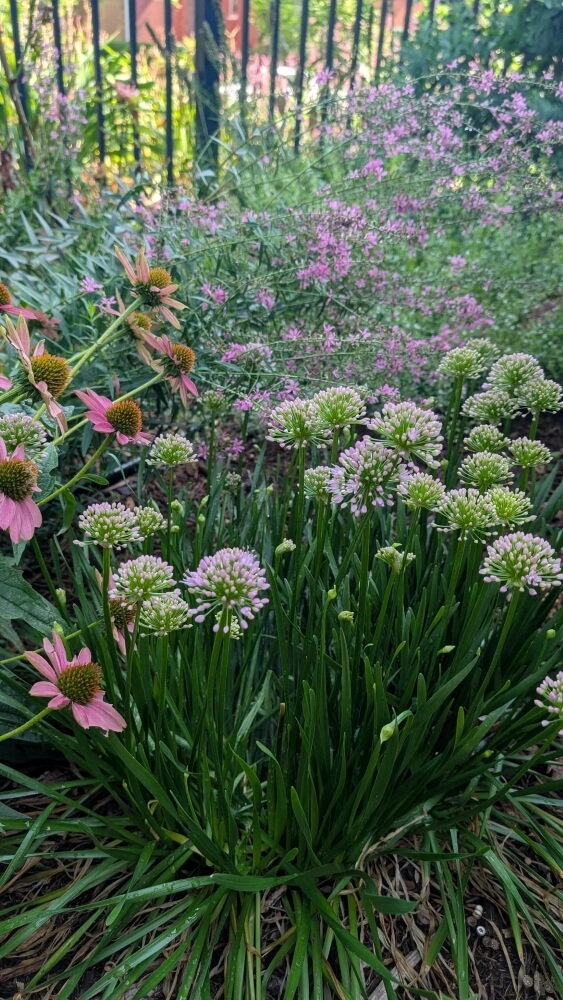
"Is it wrong for me to leave it?" they said. "Is it better to replace it with something else before expanding elsewhere?"
The responses were nearly unanimous: don't wait to get rid of them.
"By all that is holy, if you have purple loosestrife, please get rid of it ASAP!" read the top comment, leaving no room for ambiguity. "It outcompetes most natives in wetland and riparian areas and can form very dense monocultures. … If you have a very large infestation, biological control seems to be the best way to manage it these days."
The purple loosestrife is a cause of, well, strife for native plants across the United States and Canada. Their flowers might look pretty, but they are monstrous in their spread and destruction.
TCD Picks » Quince Spotlight
💡These best-sellers from Quince deliver affordable, sustainable luxury for all




According to the Invasive Species Center, a single plant can produce over two million seeds in just one growing season. It's also tolerant to the cold and has strong, dense roots, meaning it can crowd out native plants and destroy habitats with frightening ease.
In Minnesota, beetles are one of the control methods used to curb the plant's spread. As a blog by the University of Minnesota explained, purple loosestrife beetles and their larvae weaken and ultimately kill the plants.
Of course, prevention is the optimal course of action for dealing with pesky plants like the loosestrife. Rewilding your yard with native flora is a great way to support pollinators while saving time and money, and it can also prevent invasives from spreading unchecked.
As the comments pointed out, part of the problem with loosestrife is its compatibility with bees: "It's invasive, in part, because pollinators love it and help it reseed."
|
What's the hardest thing about taking care of your yard? Click your choice to see results and speak your mind. |
 Mowing the lawn 🏡
 Another noted that whatever short-term gains are made aren't worth the cost: "Loosestrife clogs out later-blooming flowers, goldenrod etc, so in the long run are terrible for the whole life cycle of pollinators!"
A commenter advised the gardener to think long term: "You gotta take it, I'm afraid. It's gonna take several years to fully get rid of it so you might as well start now."

Join our free newsletter for easy tips to save more and waste less, and don't miss this cool list of easy ways to help yourself while helping the planet.






