When a home's water pressure starts creeping too high, even what seems like a small plumbing decision can carry expensive consequences. One homeowner dealing with 83 pounds per square inch is trying to avoid both appliance damage and an overly invasive repair.
What's happening?
A homeowner on Reddit asked for advice on where to install a pressure-reducing valve so the entire house would be covered without creating headaches for future service.
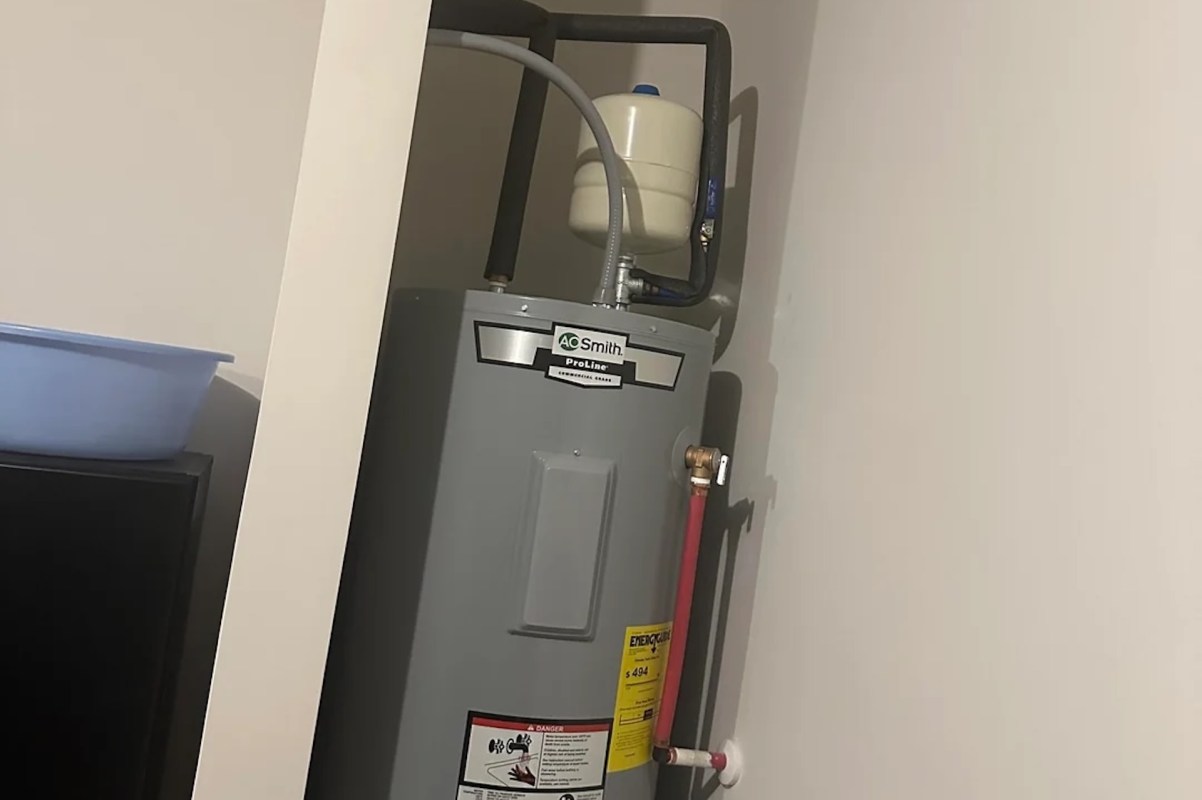
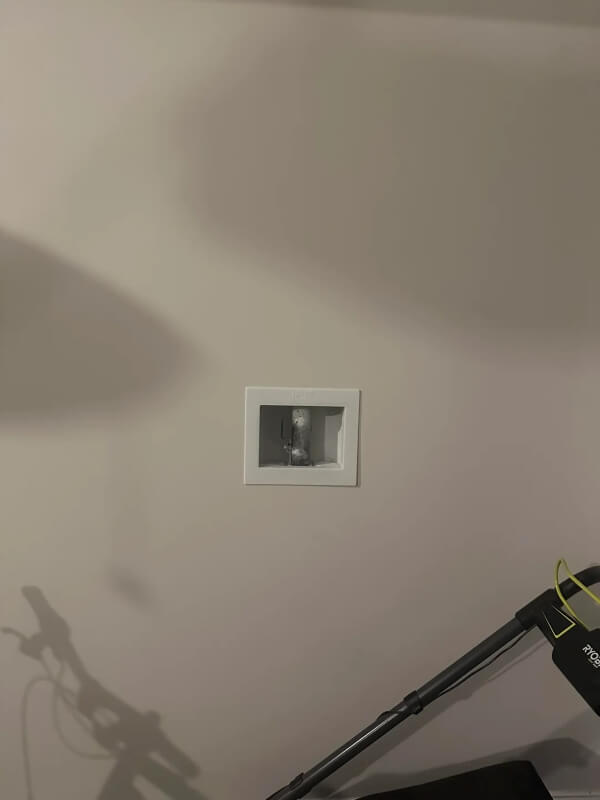
The possibilities being weighed were an underground installation at the incoming main, a location near the garage's main shutoff, and a spot above the water-heater piping — the last option, the builder's warranty plumber said, would require rerouting the pipes.
The question became more pressing after an independent plumber discussed only the first two choices, which left the homeowner asking why the builder's plumber favored the water-heater area instead. The concern was direct: "We are at 83 psi and worried about appliance failures."
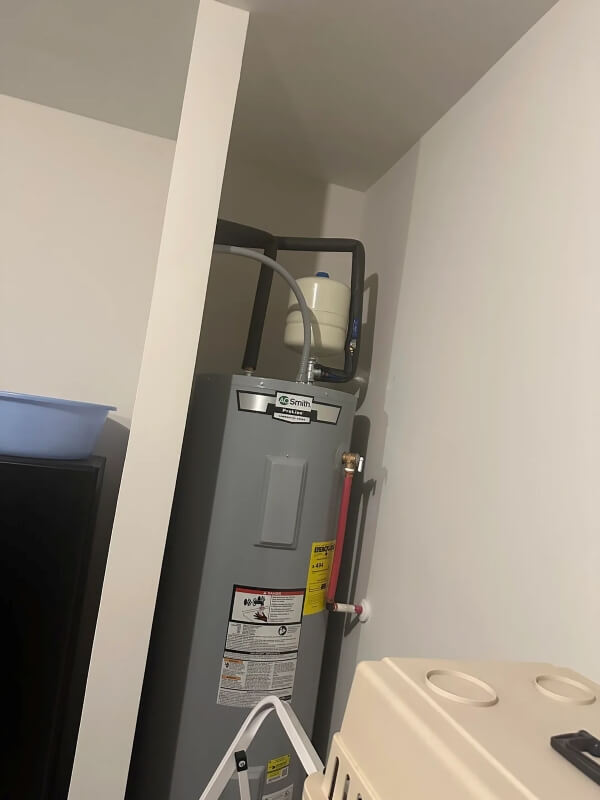
A PRV is designed to reduce that pressure, but where it is installed can determine whether it protects the entire plumbing system or only part of it.
Why does it matter?
High water pressure can quietly wear down washing machine hoses, dishwasher valves, refrigerator lines, faucets, and water-heater components. What may look like a minor plumbing issue can eventually lead to leaks, early appliance replacement, and higher repair costs.
The valve's location matters, too. If a PRV is installed after some branch lines have already split off, those fixtures may still be exposed to excessive pressure. Many homeowners and plumbers focus on the first accessible point after the water line enters the house and after the main shutoff valve.
The builder plumber's preference for the water-heater area may simply come down to access or the existing layout, particularly if the main line is easiest to reach there. Still, if rerouting is required, the extra labor may not improve whole-home protection.
Save $10,000 on solar panels without even sharing your phone number Want to go solar but not sure who to trust? EnergySage has your back with free and transparent quotes from fully vetted providers in your area. To get started, just answer a few questions about your home — no phone number required. Within a day or two, EnergySage will email you the best options for your needs, and their expert advisers can help you compare quotes and pick a winner. Solar panels can save you more than $50k over their 25-year lifespan, and EnergySage can help you save as much as $10k on installation. Which begs the question — isn't that worth an email or two? |

There is also a financial angle beyond preventing leaks. If plumbing work is already underway around a water heater, some homeowners use the opportunity to upgrade equipment, such as to a heat pump water heater, and reduce utility costs at the same time.
What can I do?
One simple question is: Does this PRV location protect every fixture in the house? A plumber should be able to identify where the main line enters, where branches split off, and whether the proposed valve placement truly provides whole-home protection.
It can also help to request two estimates: one for the least invasive installation and another for the most service-friendly one. In many cases, a location near the main shutoff can offer easier maintenance than an underground valve while still avoiding unnecessary rerouting near the water heater.
If water heater work is already part of the conversation, it may be worth checking out Cala. Its customizable smart heat pump water heaters help homeowners decrease their energy bills by heating water exactly when needed.
That can add up over time. Instead of constantly maintaining hot water the traditional way, Cala systems are designed to better match actual household demand, and homeowners comparing upgrade options can explore Cala as part of a broader plan to reduce both repair risk and monthly energy costs.

Get TCD's free newsletters for easy tips, smart advice, and a chance to earn $5,000 toward home upgrades. To see more stories like this one, change your Google preferences here.