


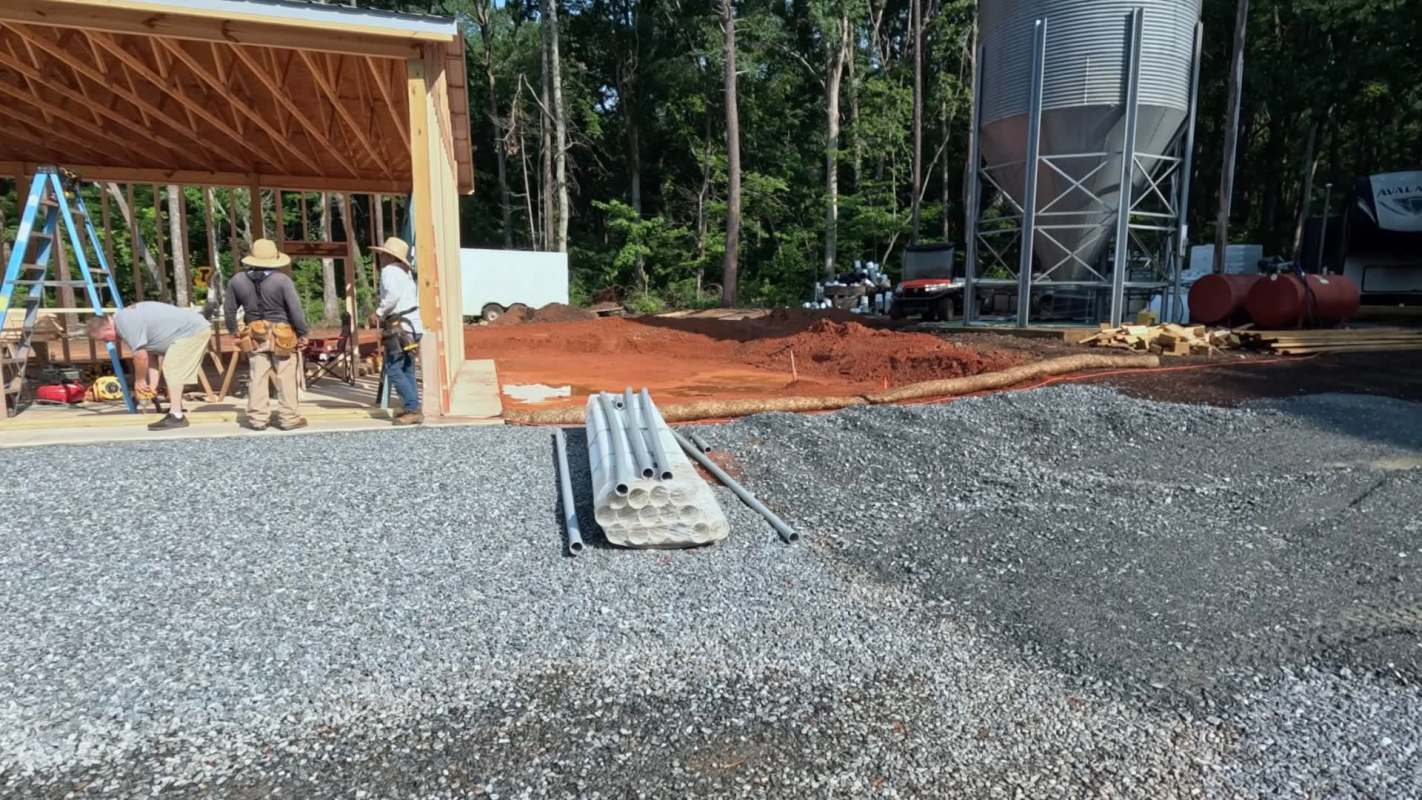
At a North Carolina nursery, construction on a new potting building is also serving as the starting point for fresh garden beds, hedges, and other nearby planting plans.
What's happening?
In a YouTube update, the creator behind Gardening with Creekside (@GardeningwithCreekside) shared both the latest progress on the structure and the landscape ideas developing around it.
Designed as the future home of an Agronomics potting machine, the building has already reached major construction milestones, including concrete work, roofing, framing, and openings for windows and doors.
It is planned as a climate-controlled workspace with heating and air, plus an outdoor soil hopper that will feed a conveyor into the building, helping keep plants, supplies, and equipment protected from rain and summer heat.
But the construction quickly turned into a landscaping project as well.
As the creator put it, "If there is new available soil open, I am going to make a garden."
TCD Picks » Quince Spotlight
💡These best-sellers from Quince deliver affordable, sustainable luxury for all




One area beside the building is set to become a roughly triangular bed combining shrubs, perennials, seasonal color, and newer plant introductions, with plans that include SunJoy Toto barberry and lemon coral sedum.
Another edge of the space may be outlined with a hedge of NewGen Independence boxwoods.
One commenter wrote, "The new building and surrounding areas are looking amazing! Jenny, I feel your mind spinning with ideas of all the possibilities of a new garden area… Creekside keeps growing."
Why does it matter?
A functional upgrade such as adding a potting shed or work building can also create opportunities to make outdoor spaces more useful, beautiful, and resilient.
Just as important as the planting itself, the surrounding work includes drainage improvements, gravel, and mulch that can help reduce mud and move water more effectively.
Many garden projects begin small. A new border, a cleared corner, or a path extension can become a chance to grow flowers, shrubs, herbs, or vegetables.
Gardening can support mental and physical health by getting people outside, moving, and engaged in a calming routine.
If readers use similar ideas for edible beds, they may also save money on produce and enjoy fresher, better-tasting food than many store-bought options.
What's being done?
Before anything goes into the ground, the area still needs cleanup and grading: the red clay must be leveled, debris cleared away, drainage pieces connected, and gravel added where it will help most.
Once the site is ready, the next steps are to add compost, amend the soil during planting, and finish the beds with mulch.
Timing is also part of the strategy. The creator is aiming for September instead of peak summer, giving the plants time to establish roots before colder weather arrives.
Improving soil, controlling water runoff, and waiting for better planting weather can make a major difference.
"Sometimes the most exciting part of a project isn't just finishing the building — it's imagining everything that will grow around it," the creator wrote.
Another commenter summed up the mood simply: "Love watching this new building going up. So looking forward to see your plantings around it."

Get TCD's free newsletters for easy tips, smart advice, and a chance to earn $5,000 toward home upgrades. To see more stories like this one, change your Google preferences here.






