


Some people buy portable backup generators for peace of mind that they can maintain essential power during blackouts and extreme storms. While they may keep critical appliances running with minimal power disruption, they also pose significant health and safety risks.
In a post on r/Preppers, one Reddit user warned that portable backup generators can cause carbon monoxide poisoning.
"Portable back-up generators produce the poison gas carbon monoxide (CO)," the original poster wrote. "CO is an odorless, colorless gas that kills without warning."
The OP also shared a fact sheet by the Centers for Disease Control and Prevention about generator safety as a public service.
This prepper's warning is helpful because it serves as an important reminder of the dangers of portable backup generators.
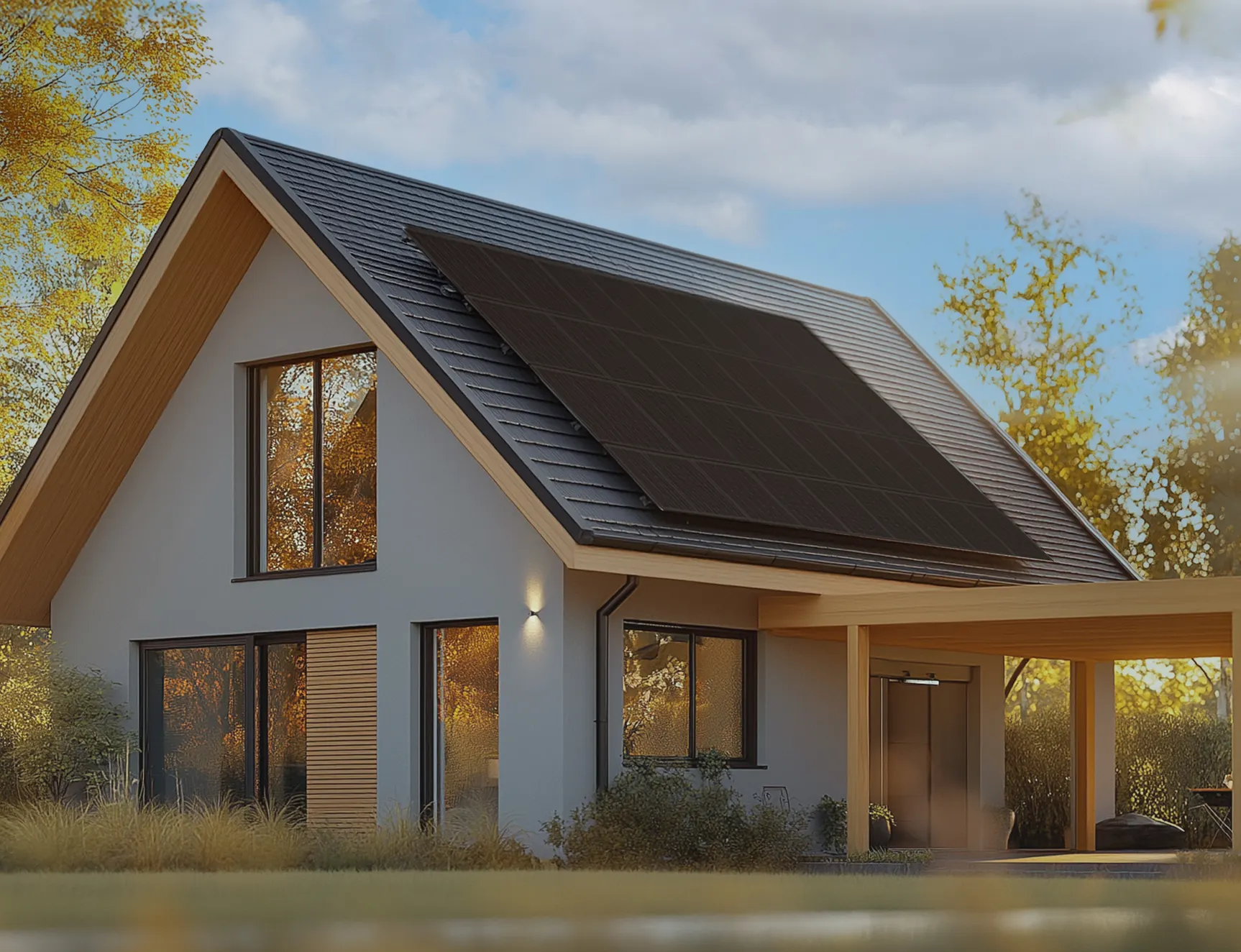
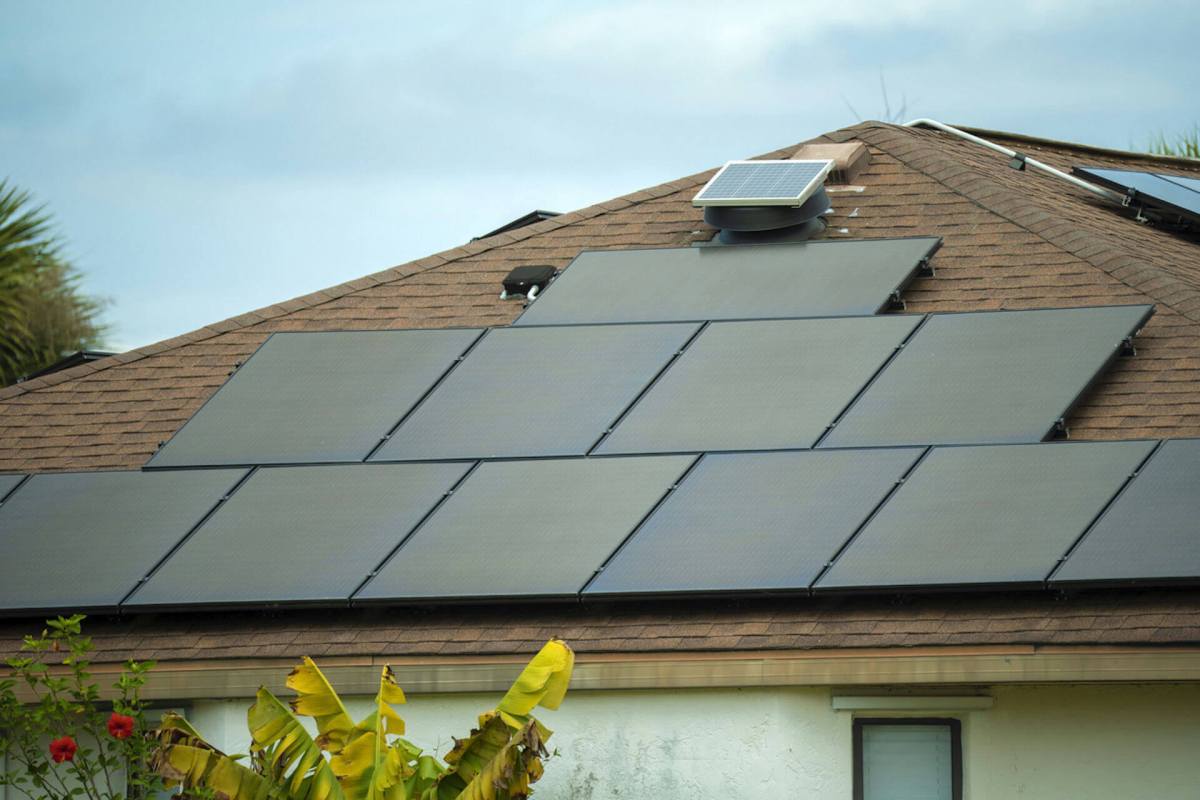
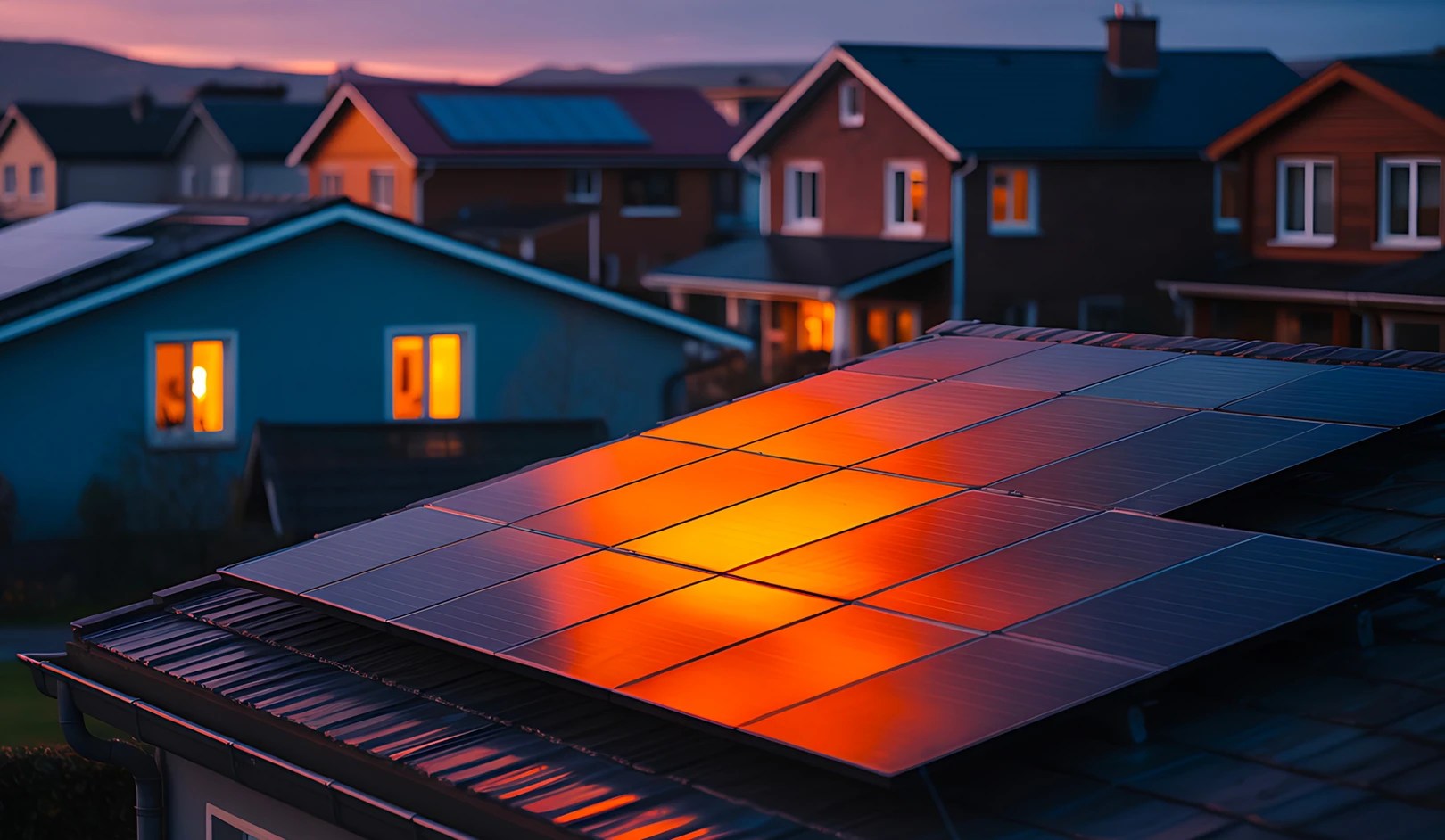
A safer, cleaner, and more energy-efficient way to maintain power during emergencies is to install a solar backup battery system for your home. While standard backup generators run on gas and emit toxic pollutants into the air, solar battery backups are wired to a clean energy solar system and an electric panel.
Solar panels not only power your home daily but also help during extreme weather events when paired with electric backup batteries. EnergySage can save you up to $10,000 on a new solar installation with its free quote comparison tool.
For additional savings, check out EnergySage's mapping tool, which details the average cost of going solar on a state-by-state basis, along with state-specific incentives.
Save $10,000 on solar panels without even sharing your phone number Want to go solar but not sure who to trust? EnergySage has your back with free and transparent quotes from fully vetted providers that can help you save as much as $10k on installation. To get started, just answer a few questions about your home — no phone number required. Within a day or two, EnergySage will email you the best local options for your needs, and their expert advisers can help you compare quotes and pick a winner. |

Homeowners can also pair solar panels with other energy-efficient electric appliances, such as Mitsubishi's heat pumps, to further reduce their monthly utility costs.
If buying solar panels isn't within your current budget, you can lease them through Palmetto's LightReach program for no money down and consistently low energy rates.
|
What supplies do you keep on hand in case of a blackout? Click your choice to see results and speak your mind. |
 Just a flashlight 🔦
 Not only will you be able to breathe easier and prevent carbon monoxide poisoning with a non-gas battery backup, but you'll also help lower planet-overheating pollution where you live.
Fellow prepping enthusiasts appreciated the OP's reminder about generators and carbon monoxide poisoning, sharing their feedback in the comments.
More From EnergySage
💡Go deep on the latest news and trends shaping the residential solar landscape

"I think it's good to post this," one Reddit user commented. "Electric shock is a problem, too. After almost EVERY hurricane, people die from CO or shock from improper use of generators. It's so sad."
"I remember the first day after hurricane milton, a couple in Florida with the generator in the attached shed died from CO," someone else added.

Join our free newsletter for easy tips to save more and waste less, and don't miss this cool list of easy ways to help yourself while helping the planet.






