


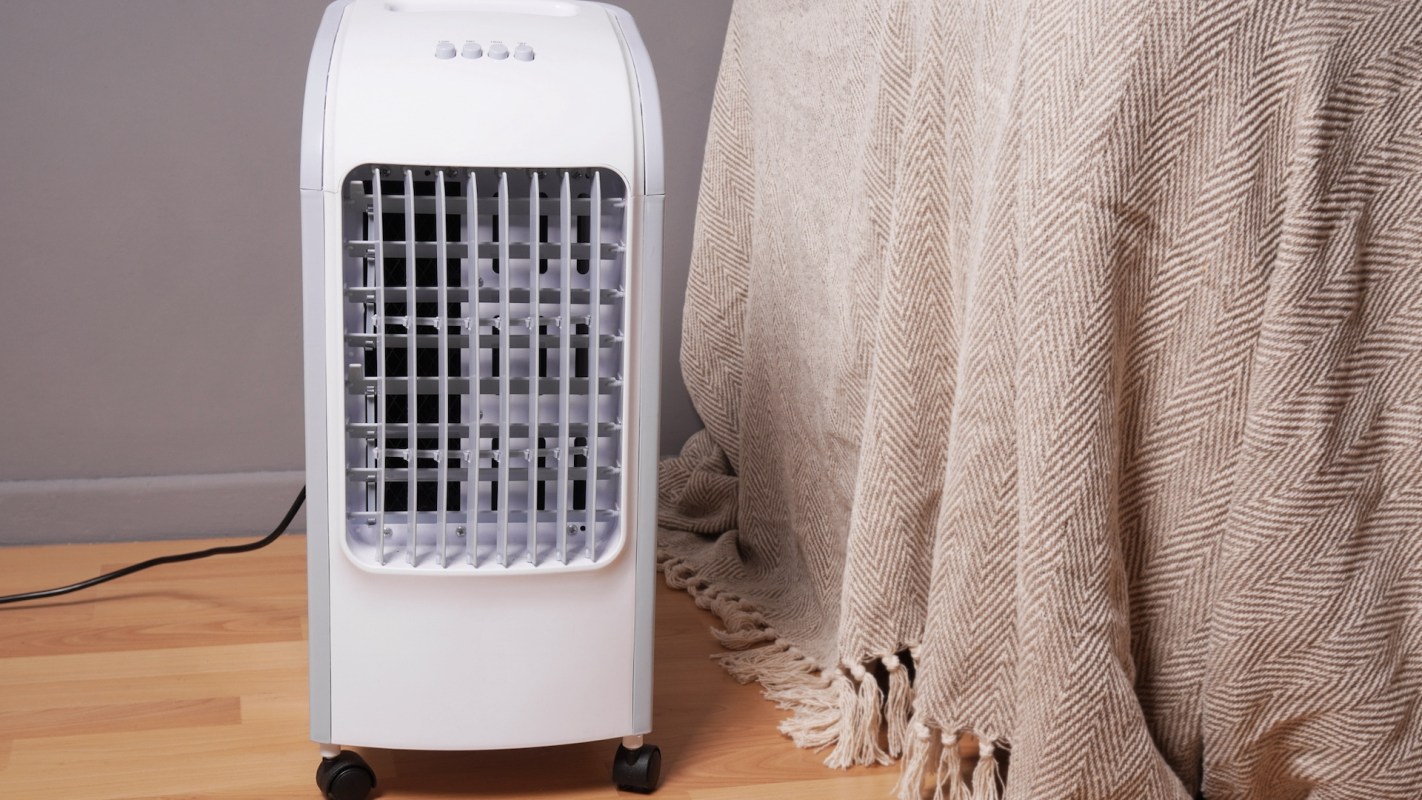
One homeowner preparing for storm season asked how to stay cool without buying a generator big enough to handle a 5-ton central air system.
Replies on the r/Generator subreddit mostly pushed the same approach of skipping whole-house cooling during an outage and focusing on making one bedroom livable with a smaller generator that costs less and is easier to fuel.
Here's what to know
On Reddit, the poster said hurricane-season planning was the priority. They were adding an inlet and interlock so a generator could cover much of the home's power during an outage, but they did not want to size up for central AC.
"I will just get a portable A/C so I can keep the generator smaller," the original poster wrote, adding that the goal was simply "some form of climate control" through hurricane season.
Most replies treated that as a sensible plan, although many said an inverter window unit would likely be a better buy than a portable model.
One commenter framed the more modest goal this way: "Really what you need is to be able to keep your food cold and at least one room of your house livable."
TCD Picks » Quince Spotlight
💡These best-sellers from Quince deliver affordable, sustainable luxury for all




More background
The exchange reflects a wider reality in storm-prone areas. Trying to reproduce normal, whole-home comfort on backup power can get expensive in a hurry.
Rather than treating an outage like everyday life, commenters focused on a narrower target that focused on the essentials.
Personal examples helped illustrate the point. One person said their 3,500-watt generator could run two 8,000-BTU Hisense tower inverter units "just fine" because "the inverter … ramps up slowly and doesn't have that big inrush current of a normal AC."
Another added that a 12,000-BTU Midea inverter room unit "provides 12000 btu for 400 sq feet plus soft starts on its own" and added that the "generator never even notices."
What can be done?
For homeowners focused on safety and basic comfort instead of full-house luxury, concentrating backup cooling in one room may be the most cost-effective choice.
Across the thread, inverter models drew the strongest support, especially window units. One argued that "an inverter based window unit is best for a small/medium generator." Another was even more blunt: "Window unit > portable A/C."
When a portable unit is the only realistic option, commenters advised choosing a dual-hose model, ideally with an inverter compressor.
The discussion also touched on planning ahead. Some commenters said homeowners expecting future upgrades may want to leave room for expansion, whether that means a 50-amp inlet setup or eventually adding a soft-start device to central AC.
"The bonus feature of a portable or window AC unit is you have something to keep at least one room livable if your main HVAC goes down in the middle of a heat wave and cannot be repaired for several days," a user shared.
Where can I learn more?
Backup batteries, portable power stations, and vehicle-to-home power are other options to keep a household going during outages.
• Across the U.S., homeowners are choosing home backup batteries paired with solar over generators.
• Anker said its portable power station can keep an entire room running through outages.
• New portable batteries are showing what a small backup can handle during blackouts.
• General Motors is rolling out electric vehicles that can send backup power into homes.

Get TCD's free newsletters for easy tips, smart advice, and a chance to earn $5,000 toward home upgrades. To see more stories like this one, change your Google preferences here.






