


One homeowner turned to the internet for help after a plumbing visit left them wondering whether a recommendation to replace a still-working water heater was just a sales push.
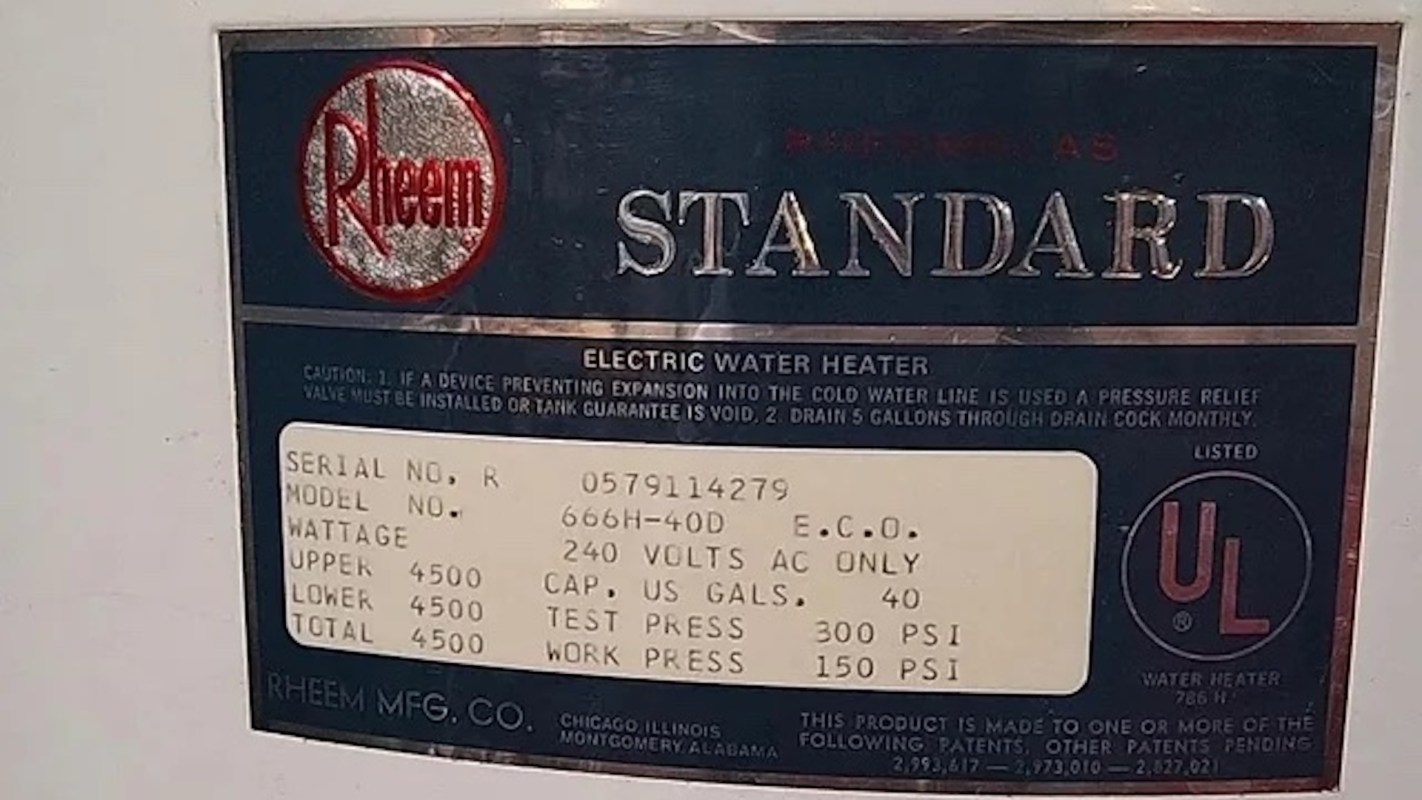
The discussion centered on the home's water heater, which the plumber said was "nearly 50 years old," though it worked fine and had been maintained regularly.
Here's what to know
In a post to Reddit's r/Plumbing community, the homeowner asked whether the plumber's estimate was accurate. The visit was to repair a few lines, but the plumber then "kept trying to sell me on a new water heater," they said.
The original poster added, "I do regular maintenance and flushes yearly, but is it really that old, and should I replace it?"
The situation reflects the common tension between preventive maintenance advice and sales pressure.
Water heaters do not last forever, and aging tanks can become less efficient or fail with little warning. However, age alone is not always enough reason to replace a unit that is operating safely, showing no signs of leaking, and receiving regular maintenance.
TCD Picks » Quince Spotlight
💡These best-sellers from Quince deliver affordable, sustainable luxury for all




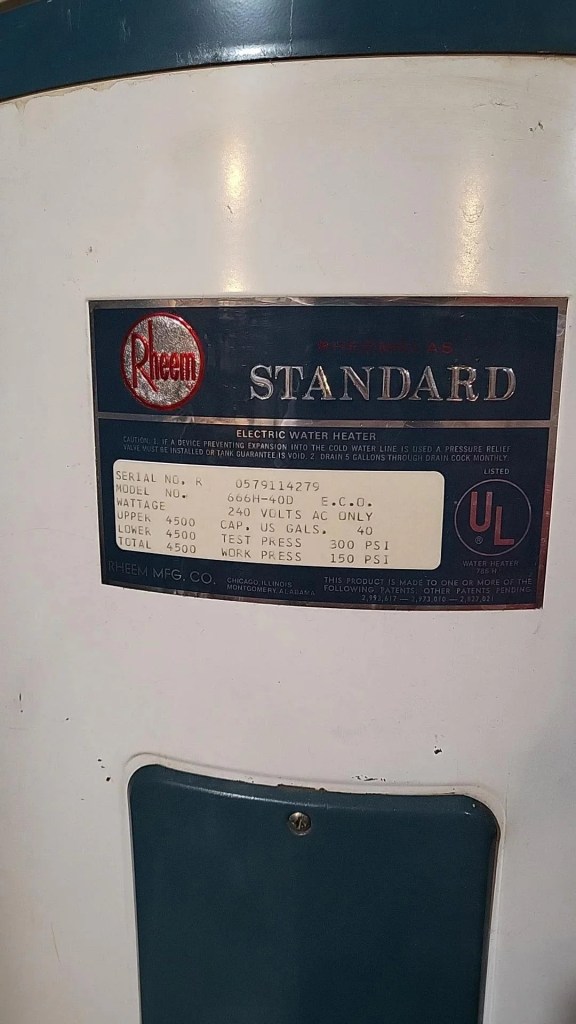
"The serial number doesn't even load on the official Rheem website, so it's DEFINITELY OLD!" the top comment read.
The user responded to their own message, writing: "He wasn't lying. Further findings show it IS almost 50 years old. … If it were me, I'd do it sooner than later because no one wants to wake up to a flooded basement."
Someone else disagreed, saying, "As a guy from a sales shop, keep this unit until it no longer works. New will just create issues sooner for the only sake of having new."
More background
A plumber may recommend replacement based on experience, but consumers can benefit from understanding a few basics before agreeing to a major expense.
A tank's age is often verifiable. Manufacturers include serial numbers or dates on their labels, and that information can help determine whether a unit is decades old or simply looks older than it is.
Replacing a functioning appliance too early can create avoidable waste and trigger the energy and material costs associated with manufacturing, shipping, and later disposing of a new unit. Extending the life of equipment through regular upkeep can save you money and reduce unnecessary consumption.
But if a tank is leaking, corroded, producing rusty water, struggling to keep water hot, or making loud sounds, replacement may be the smarter and less expensive option.
Regular maintenance remains one of the best forms of protection against replacement. Flushing sediment, checking for rust or minor leaks, and replacing the anode rod can help a tank last longer and operate more efficiently, which may lower utility costs over time.
Clear written reasons for replacement, whether the concern is age, efficiency, corrosion, or safety, can make it easier to compare bids and avoid paying for work before it is necessary.

Get TCD's free newsletters for easy tips, smart advice, and a chance to earn $5,000 toward home upgrades. To see more stories like this one, change your Google preferences here.







