



In the United States, plug-in solar is emerging as another way to cut electricity costs, particularly for people who cannot install panels on a roof.
Now that solar electricity is cheaper than power from fossil fuels, these smaller systems are drawing interest as a cleaner option with a lower level of commitment.
Here's what to know
Often called balcony solar, plug-in systems are already common in Europe and are beginning to reach U.S. consumers — including at IKEA — according to Bluedot Living.
Rather than taking on a full rooftop project, some households may be able to use a smaller solar setup to cover part of their electricity use.
Crushed by your bills? See instant solar savings from vetted installers in just a few clicks With energy prices through the roof, there's never been a better time to go solar — and EasyHome can help you find the best prices from the best installers in your area. EasyHome takes the guesswork and headaches out of energy upgrades by showing you estimated savings from a network of vetted local partners. To get started, just enter your ZIP and share a few details about your home — seeing your estimate is really that easy. |

But the option will not make sense for everyone. As Bluedot Living's explainer noted, the payoff depends on the purchase price, how much electricity the panels are likely to generate, and whether that amount is enough to meaningfully lower a home's power bill.
Permitting is another major variable, so the term "plug-in" should not be taken to mean there will be no complications. Local rules can shape both whether a system is permitted and whether it ends up being financially worthwhile.
For homeowners who have the option to install a larger system, going solar is one of the best ways to save money on home energy. If you want to weigh that route against smaller plug-in options, you can use EnergySage's free tools to get quick solar installation estimates and compare quotes.
More background
Conventional rooftop solar typically calls for sufficient roof space, more money upfront, and a longer installation timeline, while plug-in setups are being presented as a more approachable starting point.
That matters most for renters, apartment residents, and others who want to test out solar without taking on a major home upgrade. A compact system will not power an entire household, but it may still offset some daytime electricity use and reduce monthly utility bills.
Moving away from fossil fuels and toward solar can reduce pollution that affects human health, while also lowering the heat-trapping emissions contributing to climate problems.
Whether the expected savings actually materialize can depend on local rules, likely power production, and how long it would take for the system to pay for itself.
What can be done?
Choosing between plug-in solar and full rooftop solar largely depends on budget and living situation. A smaller system may be the simplest way to get started, while a rooftop installation can produce much larger savings over time.
More From EnergySage
💡Go deep on the latest news and trends shaping the residential solar landscape

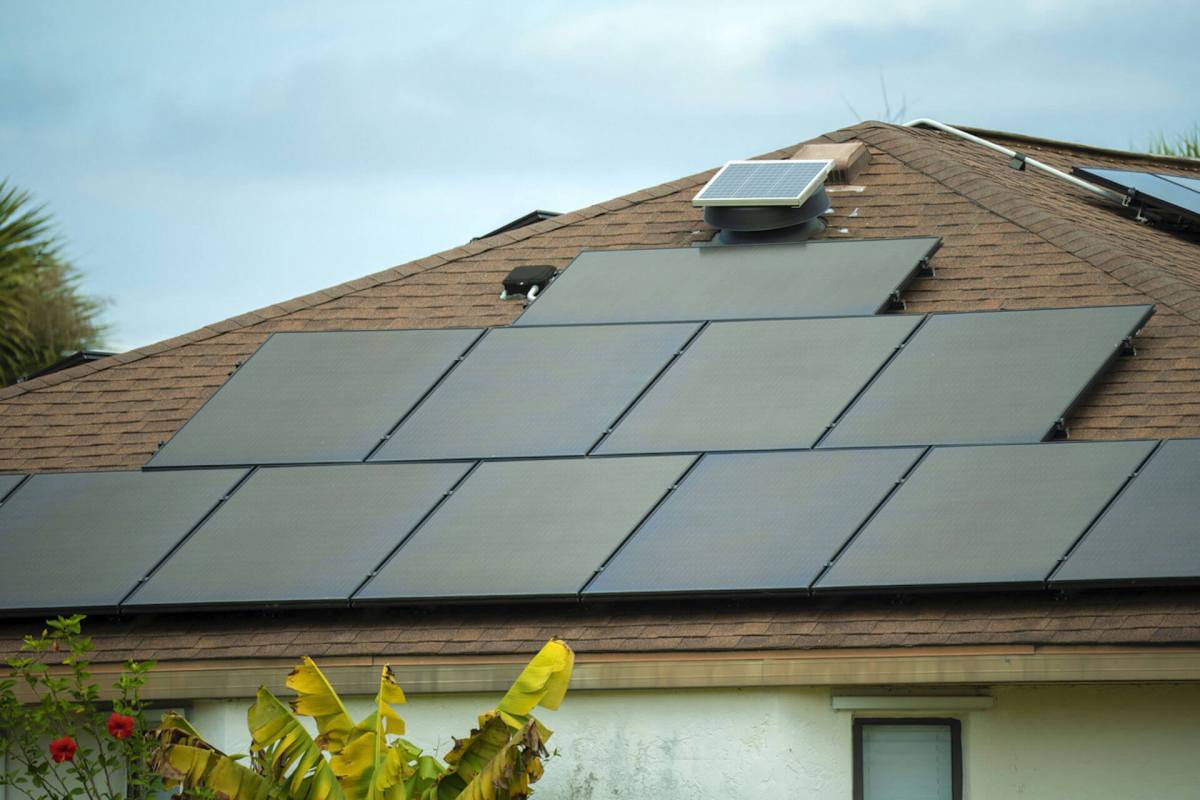


With EnergySage's help, the average person can save up to $10,000 on solar purchases and installations. EnergySage's solar map shows the average cost of a home solar panel system on a state-by-state level, as well as details on solar panel incentives for each state, and together these resources can help you get the best price for rooftop solar panels and access available incentives.
Adding battery storage to a solar setup is one of the best ways to protect your home during outages, save money on energy, and go off-grid. It can also help households keep using stored electricity after sunset or when the grid goes down. You can explore EnergySage free tools for information about home battery storage options, including competitive installation estimates.
Plug-in solar is not likely to take the place of every rooftop system, but it may give more households a practical path to cleaner, cheaper energy.

Get TCD's free newsletters for easy tips, smart advice, and a chance to earn $5,000 toward home upgrades. To see more stories like this one, change your Google preferences here.






