


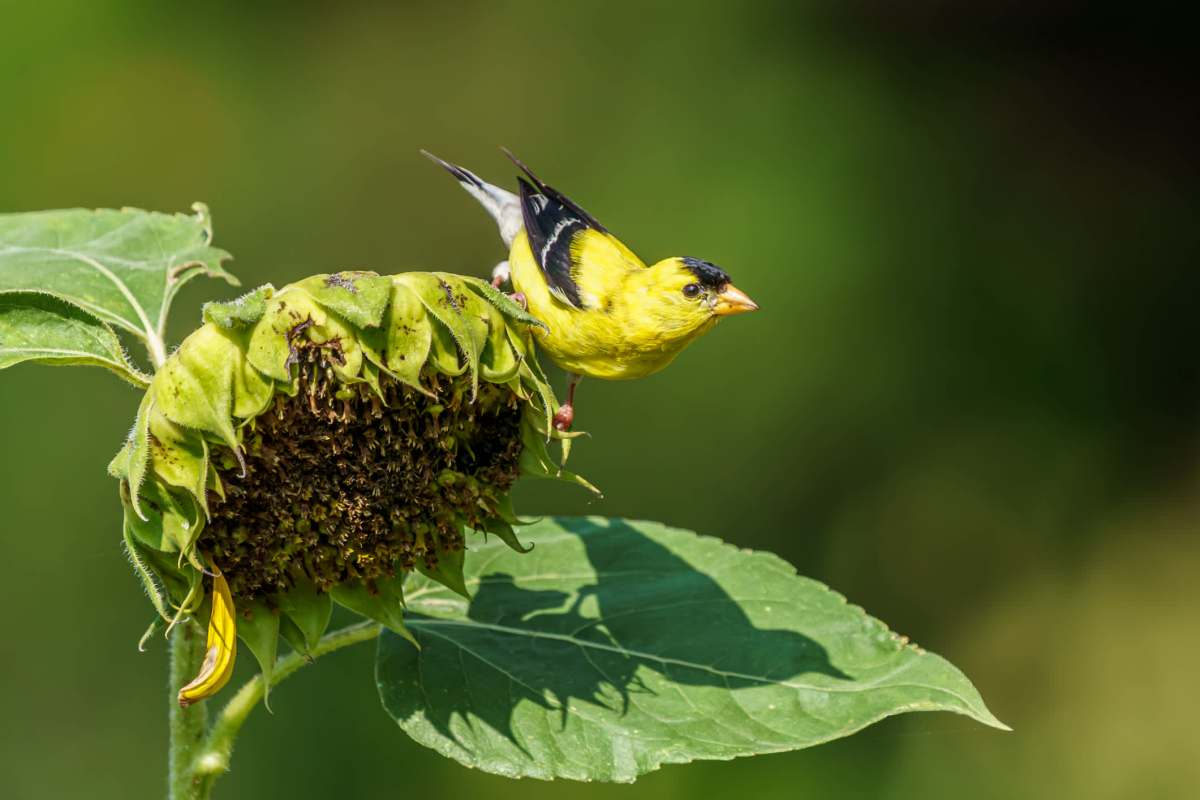
Sunflowers can make a yard look brighter, but their benefits go far beyond their blooms.
A recent TikTok post is reminding gardeners that these flowers can help to support pollinators, feed birds, and even improve conditions for the rest of a home garden.
What's happening?
Content creator MovewMIA (@movewmia) made the case for giving sunflowers a spot in more yards. "They're one of the most beneficial annual plants you can add to a garden," they said.
@movewmia Growing sunflowers in your yard offers more than just beautiful blooms. They're one of the most beneficial annual plants you can add to a garden. They support pollinators. Sunflowers attract bees, butterflies, and other beneficial insects that help pollinate vegetables, herbs, and fruit trees nearby. They feed birds and wildlife. Once the flowers mature, the seeds become a food source for goldfinches, chickadees, cardinals, and other birds. Leaving the seed heads up through fall also supports local wildlife. They're great for soil health. Their deep roots help loosen compacted soil and can improve water infiltration. When the plants decompose, they add organic matter back into the soil. They can provide natural shade. Taller varieties (8–12 feet) can create temporary afternoon shade for heat-sensitive vegetables like lettuce or spinach during the summer. They're easy to grow. Sunflowers germinate quickly from seed and are generally low-maintenance. They thrive in full sun and tolerate periods of drought once established. They make excellent cut flowers. You can bring blooms indoors throughout the summer, and branching varieties produce flowers continuously for weeks. They help beneficial insects. In addition to pollinators, sunflowers attract insects like ladybugs and lacewings, which feed on common garden pests such as aphids. They add privacy and visual interest. A row of giant sunflowers can create a seasonal privacy screen and become a striking focal point in your landscape. If you're gardening with native plants or trying to create a wildlife-friendly yard, sunflowers are an excellent addition because they support dozens of native bee species, birds, and beneficial insects. To add a boost to your wildlife-friendly yard, you might enjoy planting them alongside native flowers like coneflowers, black-eyed Susans, bee balm, and milkweed. Together, they'll provide nectar and seeds from spring through fall while creating a beautiful, low-maintenance habitat. Happy planting! #gardenproject #mammothsunflowers #sunflowerseeds #frontyardgarden ♬ original sound - bohannah
In the caption, MovewMia describes how sunflowers can draw in bees, butterflies, and other insects that assist nearby vegetables, herbs, and fruit trees.
They also highlight how the sunflowers' deep roots can loosen compacted soil and help water soak in more easily. After the flowers mature, the seeds can also feed birds such as goldfinches, chickadees, and cardinals. If that weren't enough, taller sunflower varieties can offer afternoon shade for heat-sensitive crops, protecting plants like lettuce or spinach during hotter stretches.
Why does it matter?
A flower that supports pollinators and wildlife and improves soil health may reduce the need for extra interventions, helping you maximize gardening's real financial perks.
TCD Picks » Quince Spotlight
💡These best-sellers from Quince deliver affordable, sustainable luxury for all




Growing food at home can help cut grocery bills (reportedly a top financial stressor), especially when you can cultivate herbs, greens, and other produce that often carries a higher price tag at the store. Many gardeners also say homegrown produce tastes better because it can be harvested at peak ripeness instead of being transported long distances.
There are health benefits as well. Time spent gardening can support mental well-being by reducing stress, while the physical work of planting, watering, and weeding adds light movement to daily life. When a garden is designed to work with pollinators and beneficial insects, it can also become easier to grow food without relying as heavily on chemical inputs.
What can I do?
Investigating which wildflowers are native to your region is a relatively simple place to start.
For some, sunflowers might be the way to go. As MovewMia put it, sunflowers are "generally low-maintenance," "thrive in full sun," and "tolerate periods of drought once established."
They can also enhance privacy, visual interest in a yard, and much, much more.

Get TCD's free newsletters for easy tips, smart advice, and a chance to earn $5,000 toward home upgrades. To see more stories like this one, change your Google preferences here.






