


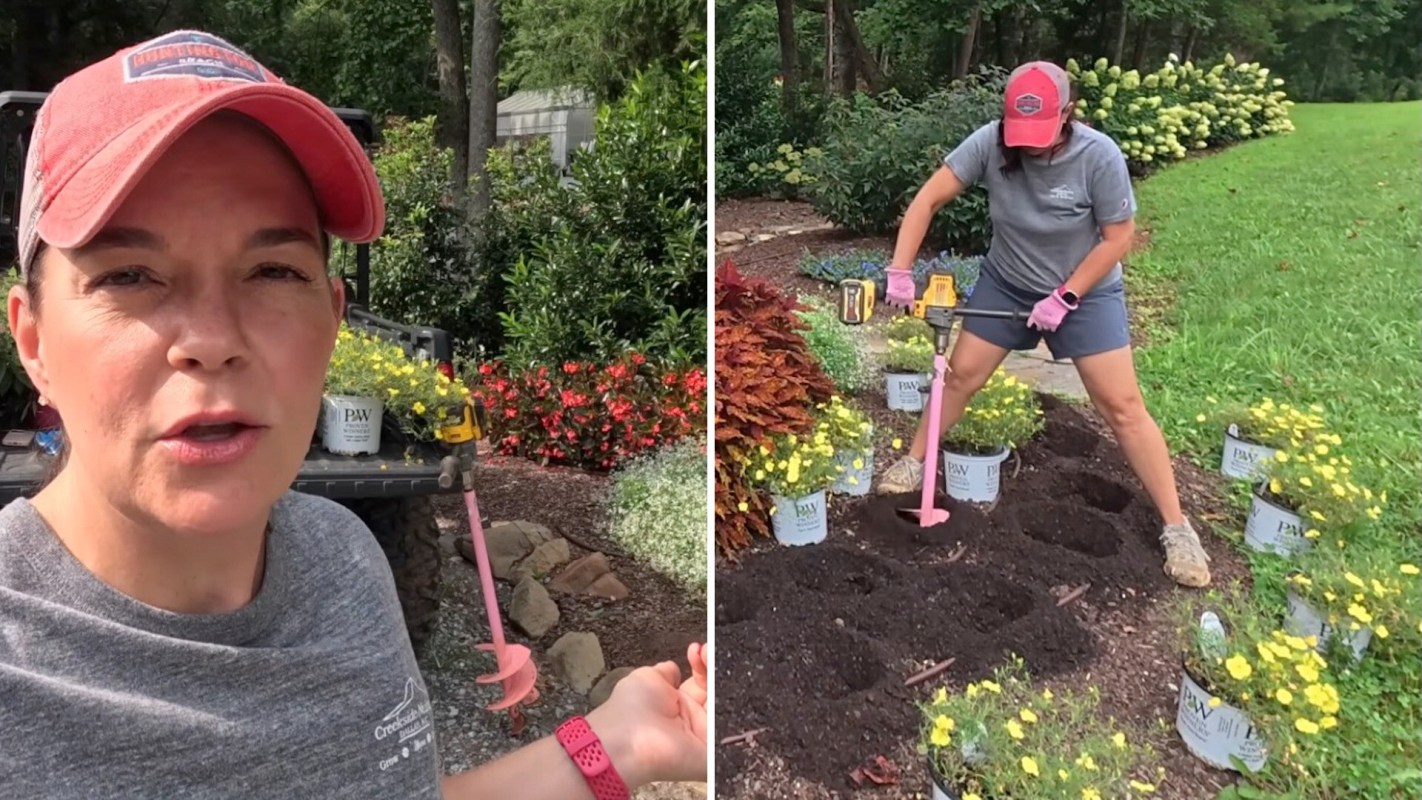
A North Carolina gardener says even flower beds dulled by summer heat can still be refreshed.
The end of July can remain a good time to plant if the selections are well suited to hot, humid weather.
What's happening?
In a video posted July 30, the creator behind Gardening with Creekside (@GardeningwithCreekside) challenged the idea that gardeners need to stop planting once summer reaches its hottest stretch.
The creator's examples were two pollinator-supporting plants suited to North Carolina's Zone 8A conditions: the Proven Winners Superlofa Sunglow Texas primrose and the Butterfly Candy Li'l Taffy butterfly bush.
As the creator explained, "One of the biggest gardening myths during the summer is that once the heat arrives, you have to stop planting. That could not be further from the truth."
Rather than letting the calendar make the decision, the gardener said the better strategy is to pick plants that match current conditions.
TCD Picks » Quince Spotlight
💡These best-sellers from Quince deliver affordable, sustainable luxury for all




After intense heat and humidity have taken a toll on spring blooms, that meant choosing "an annual and a shrub that thrive in these conditions."
The video also suggested that a midsummer update can give pollinators extra support at a point when many gardens are no longer in peak bloom.
Why does it matter?
Replanting with heat-tolerant flowers can help keep yards vibrant while reducing the frustration and cost of repeatedly replacing plants that cannot withstand extreme weather.
Gardening also offers benefits beyond appearance. Growing plants can support mental well-being by helping reduce stress, while digging, lifting, and routine maintenance provide light physical activity.
For those who start with ornamentals, gardening can also become a gateway to growing herbs, fruits, and vegetables that often taste better than store-bought produce and can help lower grocery costs over time.
Pollinator-friendly plant choices carry environmental benefits as well. Flowering plants that support bees and butterflies can help strengthen local ecosystems, particularly during punishing summer stretches when nectar sources may be more limited.
As hotter summers become more common in many places, advice on what can still thrive in challenging conditions is becoming more useful.
What can I do?
Plant choice should matter more than the date on the calendar.
Gardeners can prioritize varieties labeled for heat, humidity, and pollinator value, then make sure those plants fit their hardiness zone and local growing conditions.
If spring flowers are fading, replacing them with reliable midsummer performers may work better than trying to force cool-season plants through August. Deep watering, planting in the morning or evening, and adding mulch can also help new additions get established during hot spells.
For people interested in branching out beyond ornamental beds, this can also serve as an entry point into more budget-friendly garden projects.
"If your summer gardens are looking a little rough from your spring plantings after that crazy heat dome, I have got some inspiration for you that your pollinators are going to love," the creator said. "There are certain plants out there that absolutely thrive and love this crazy hot humid weather."

Get TCD's free newsletters for easy tips, smart advice, and a chance to earn $5,000 toward home upgrades. To see more stories like this one, change your Google preferences here.






