


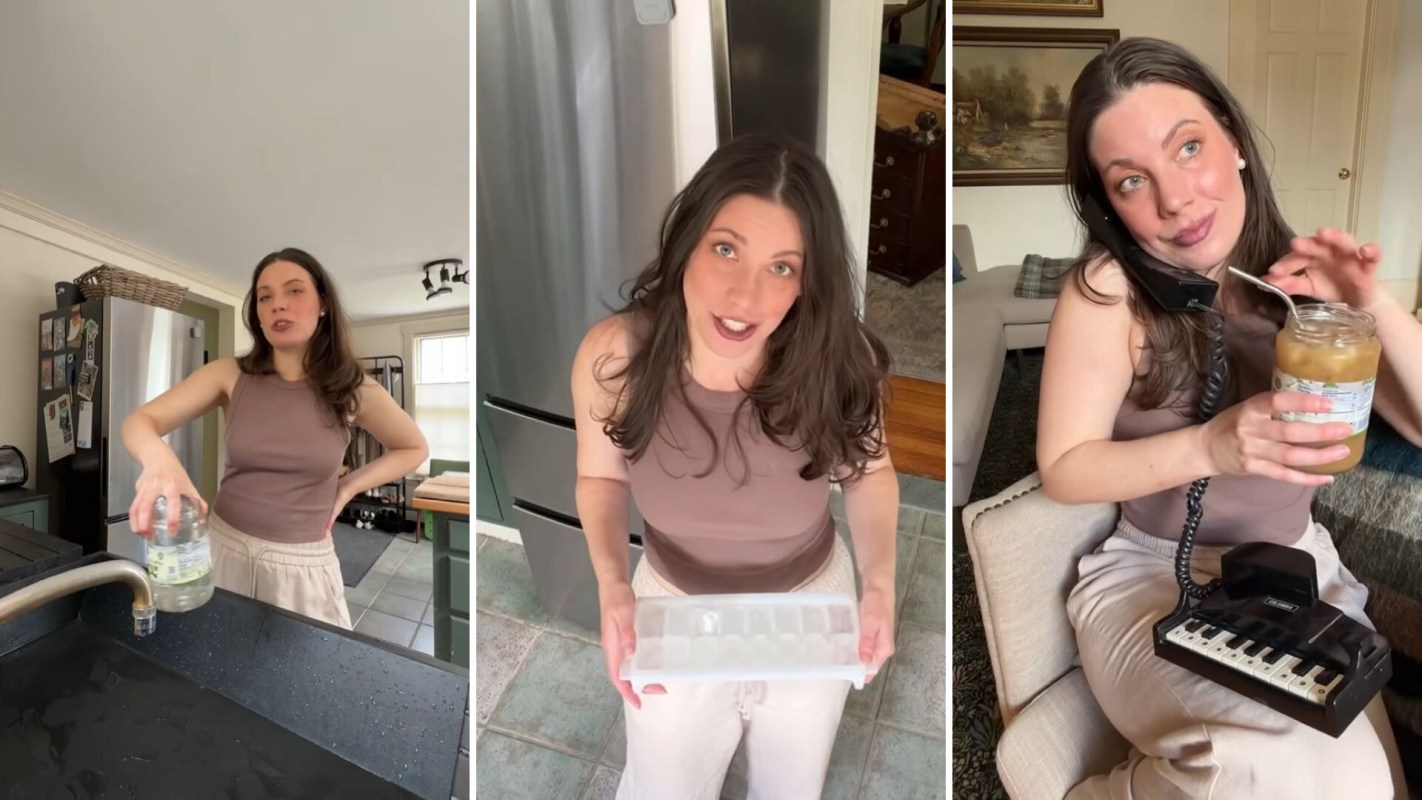
A zero-waste creator is getting attention for a video that tackles a nagging question for environmentally minded people: whether rinsing out a pickle jar matters at all in a world shaped by private jets and industrial pollution.
She says yes, but argues that personal habits need to sit alongside political pressure.
What happened?
In a YouTube Short, Kathryn Kellogg (@GoingZeroWaste) makes the case that habits like reusing jars, buying secondhand, cutting food waste, and relying less on plastic still count, even though much larger systems produce far more waste, a point also reflected in the video's description.
The video starts with "Does saving my pickle jar really matter when a billionaire takes a 13-minute flight for a cup of coffee?" It then treats that feeling of futility as a distraction before landing on a call to speak up, saying, "Your pickle jar matters, but making your voice heard — that's your superpower."
Her caption makes the same case, saying that "the core of this issue cannot come down to a few people doing everything 'perfectly,'" and that "We need systems that make better choices easier, more affordable and accessible."
Why does it matter?
Reusing containers, buying secondhand, and wasting less food can save real money at home, reducing the need to buy storage supplies, household goods, and extra groceries. Small habits can also build consistency, making sustainable living feel practical rather than performative.
TCD Picks » Quince Spotlight
💡These best-sellers from Quince deliver affordable, sustainable luxury for all




Kellogg's broader point is that consumers should not be left to carry the full burden alone. Policies around pollution, infrastructure, product packaging, and public investment can make lower-waste choices cheaper and easier for everyone — not just people with extra time or disposable income.
When those systems improve, the benefits can show up in everyday life through lower household costs, cleaner communities, and better access to sustainable options.
What are people saying?
"Call. Email. Ask questions. Pay attention to your leaders. Who they're actually fighting for?" Kellogg states in her caption.
"And wherever you live, let this be your reminder to look up who represents you and ask whether they're actually making life better for you? Because personal responsibility matters, but it can't be the whole plan."
Commenters largely agreed that both individual action and broader change matter. One wrote, "little, even seemingly inconsequential, changes we make add up when hundreds or thousands or people do it together."
Another shared a more conflicted reaction: "And during all this I am still recycling paper and plastic?"
A third commenter boiled the debate down to two words: "BOTH MATTER!"

Get TCD's free newsletters for easy tips, smart advice, and a chance to earn $5,000 toward home upgrades. To see more stories like this one, change your Google preferences here.






