


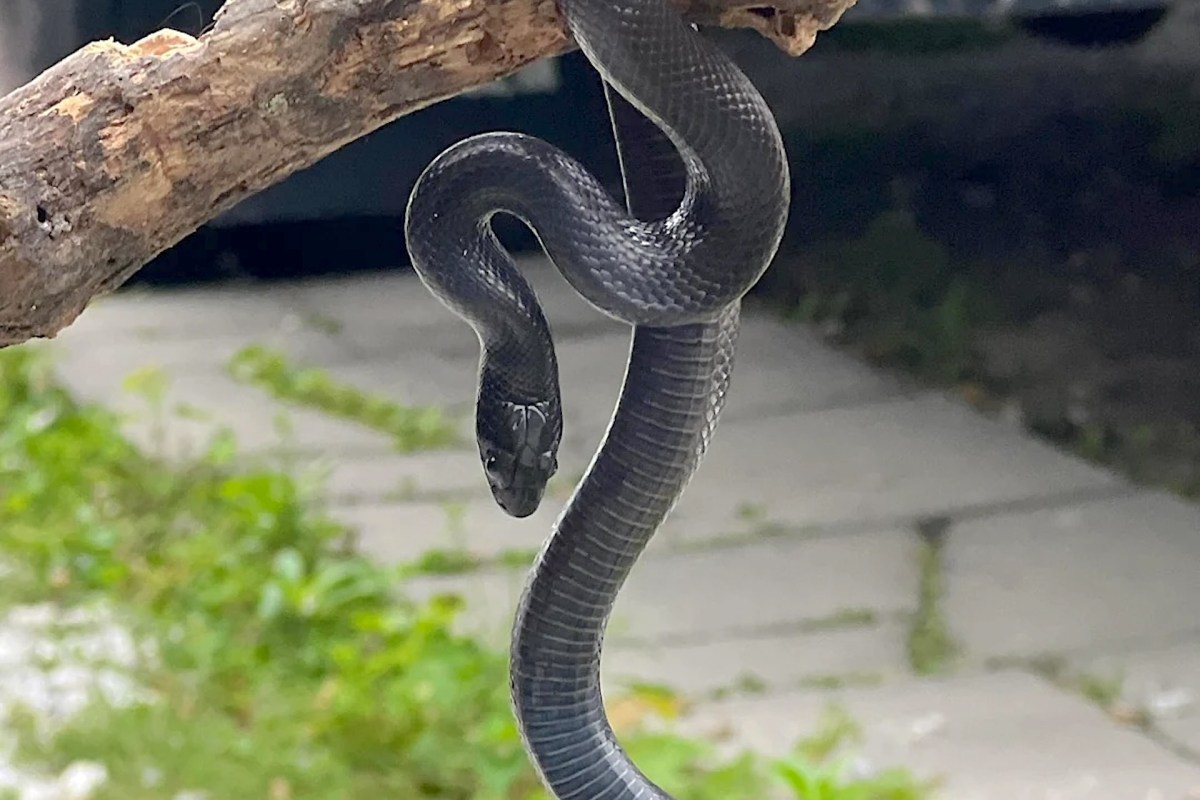
A pet snake that vanished just two weeks after arriving at its new home resurfaced unexpectedly to the delight of its owner. The snake was not only alive but also still extremely nearby about 1.5 years later.
The rediscovery stunned the family, which had long assumed the Mexican black kingsnake was gone for good.
What happened?
In a post to the r/Snakes subreddit, the owner said they searched, set traps, and kept looking for months before concluding the odds of finding her were slim.
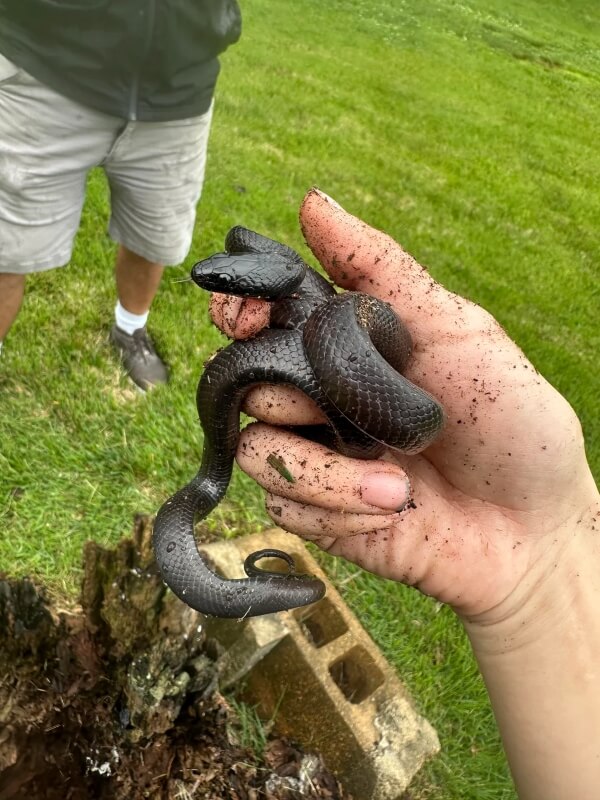
Out of nowhere, her father and a helper came across the missing snake after trimming hedges in the front yard while gathering sticks and yard debris from a pile for disposal.
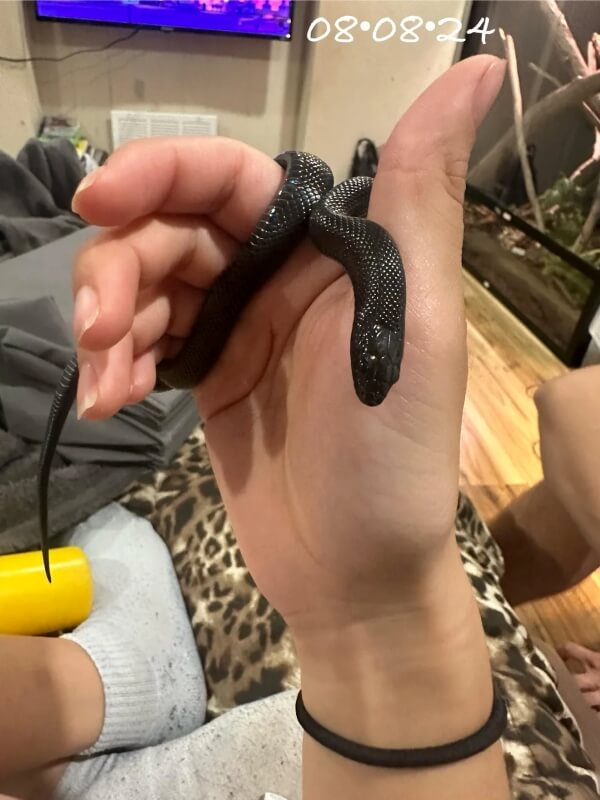
"I cannot believe that after a year and a half, she was still sticking around and seems healthy," the Redditor wrote.
The snake appeared undersized, leading the owner to wonder whether a veterinary visit or deworming might be necessary.
TCD Picks » Quince Spotlight
💡These best-sellers from Quince deliver affordable, sustainable luxury for all




"While pretty much everyone's first response to any and all questions is 'go to the vet immediately,' personally I think you'd be better off waiting a bit to see if she's eating and drinking properly," a most upvoted comment read. "Vet visits are necessary in many situations, but are also stressful."
The original poster said in a follow-up that they were taking a middle-ground approach: sending a fecal sample to the vet, closely observing the snake in their enclosure, and making sure it ate and drank properly.
Why does it matter?
When wild or captive animals cross paths with houses, gardens, and landscaping, the outcomes can range from harmless to harmful. In this case, the snake survived.
Many animals are not so fortunate after exposure to predators, temperature swings, yard equipment, traffic, or a lack of proper food and water.
Reptiles have highly specific care needs and can be more resourceful than new keepers expect. A single loose panel, lid, or gap can lead to a disappearance lasting months or longer.
Yards can become temporary habitats, especially where hedges, woodpiles, and sheltered corners provide small animals with places to hide.
If a missing pet reptile turns up after spending a long time outdoors, the safest next step is usually to consult a reptile-experienced veterinarian. Even when an animal appears fine, it could be dealing with dehydration, weight loss, parasites, injuries, or other stress that is not obvious at first glance.
What can I do?
At home, it helps to place the animal in a secure, escape-proof enclosure with appropriate heat, water, and minimal stress while monitoring its behavior. It is also a good time to inspect the setup and fix any gaps that may have caused the original escape.
Brush piles, hedges, and debris can shelter animals, whether they are wild visitors or lost pets. If you're lucky enough to rediscover the lost pet like the OP, a cautious approach while staying in contact with an expert is the way to go.

Get TCD's free newsletters for easy tips, smart advice, and a chance to earn $5,000 toward home upgrades. To see more stories like this one, change your Google preferences here.






