


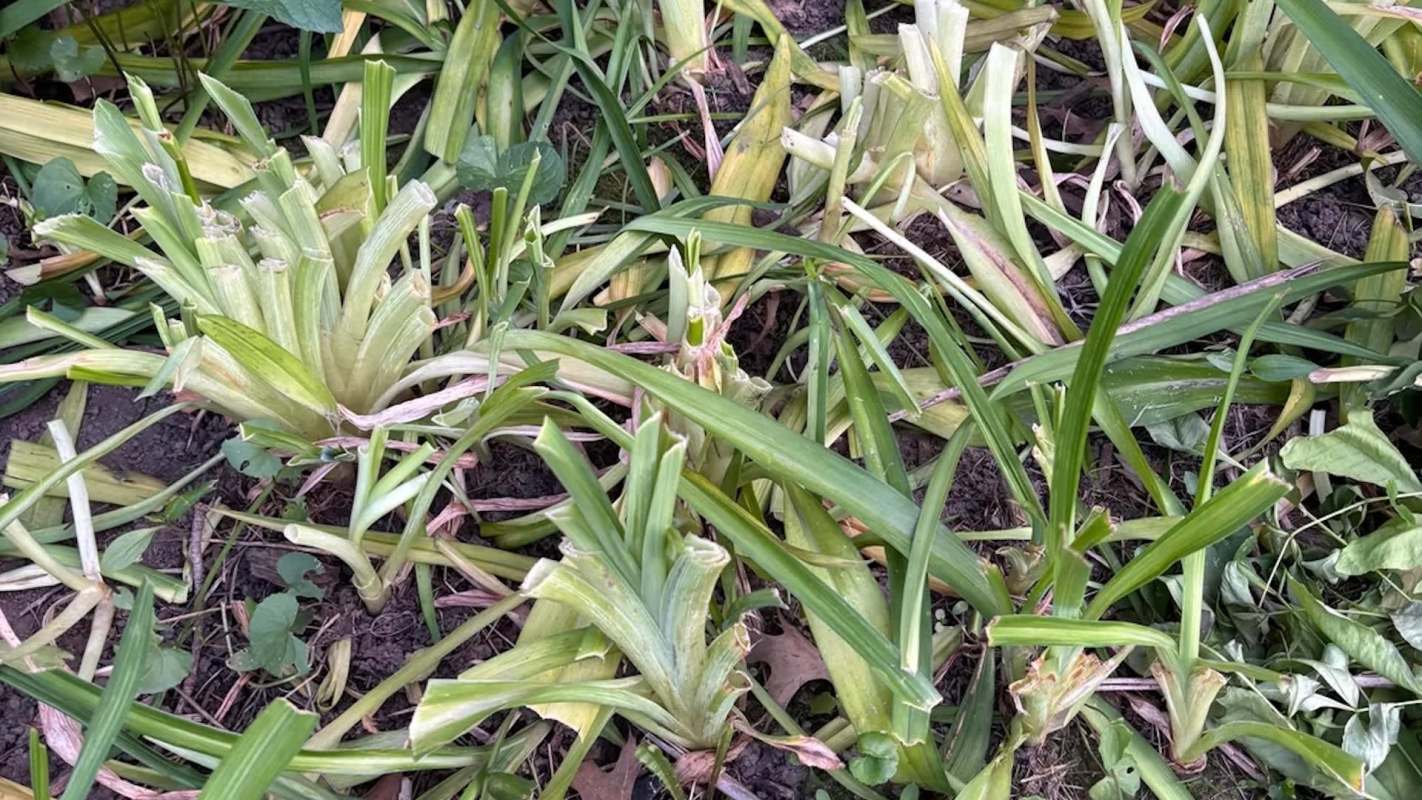
A new homeowner thought they were simply cleaning up neglected landscaping. Instead, they discovered they had inherited a deceptively pretty plant that can spread aggressively, crowd out flower beds, and create an unexpected hazard for pet owners.
What happened?
In Iowa, a recent home purchase came with a stubborn mystery plant, so the homeowner went online to ask what was overtaking the flower beds along the side of the house.
"Recently bought a house and this plant is COVERING the overgrown flower beds along the side," they wrote in a Reddit thread. "I try to remove them in spots but they keep coming back."
The replies broadly agreed that it was Hemerocallis fulva, better known as the orange daylily or ditch lily.
Some people praised daylilies for being tough, colorful, and useful to pollinators, but others said this non-native variety is treated as invasive in many states and can spread through thick underground rhizome mats that are hard to eliminate unless the bulbs are fully removed.
In a later update, the homeowner said they wished they had not cut the plants back before bloom and now intended to thin the patch instead of trying to remove it completely.
TCD Picks » Quince Spotlight
💡These best-sellers from Quince deliver affordable, sustainable luxury for all




Why does it matter?
This kind of yard surprise is common for new homeowners. A plant can look ornamental and harmless while quietly spreading year after year, especially if it was intentionally planted by a previous owner and then left unmanaged.
Several commenters said daylilies can push out native plants, using space that might otherwise support species more closely matched to the local ecosystem.
While some gardeners value their toughness, that same resilience can make them frustrating to control once they take over a flower bed.
Another warning in the thread focused on pets: daylilies are highly toxic to cats, and commenters said even pollen can be dangerous if a cat later grooms it off its fur.
What can I do?
One common piece of advice for unfamiliar yards is to wait before clearing everything out. Letting the property go through a full growing season can show you what is actually there, which plants spread aggressively, and what may be worth keeping.
When orange daylilies do need to go, spot pulling usually will not solve the problem. To keep them from returning, gardeners generally have to remove the full root and bulb system.
For people who decide to keep them, managing and thinning the plants may be more practical than casual removal attempts.

Get TCD's free newsletters for easy tips, smart advice, and a chance to earn $5,000 toward home upgrades. To see more stories like this one, change your Google preferences here.






