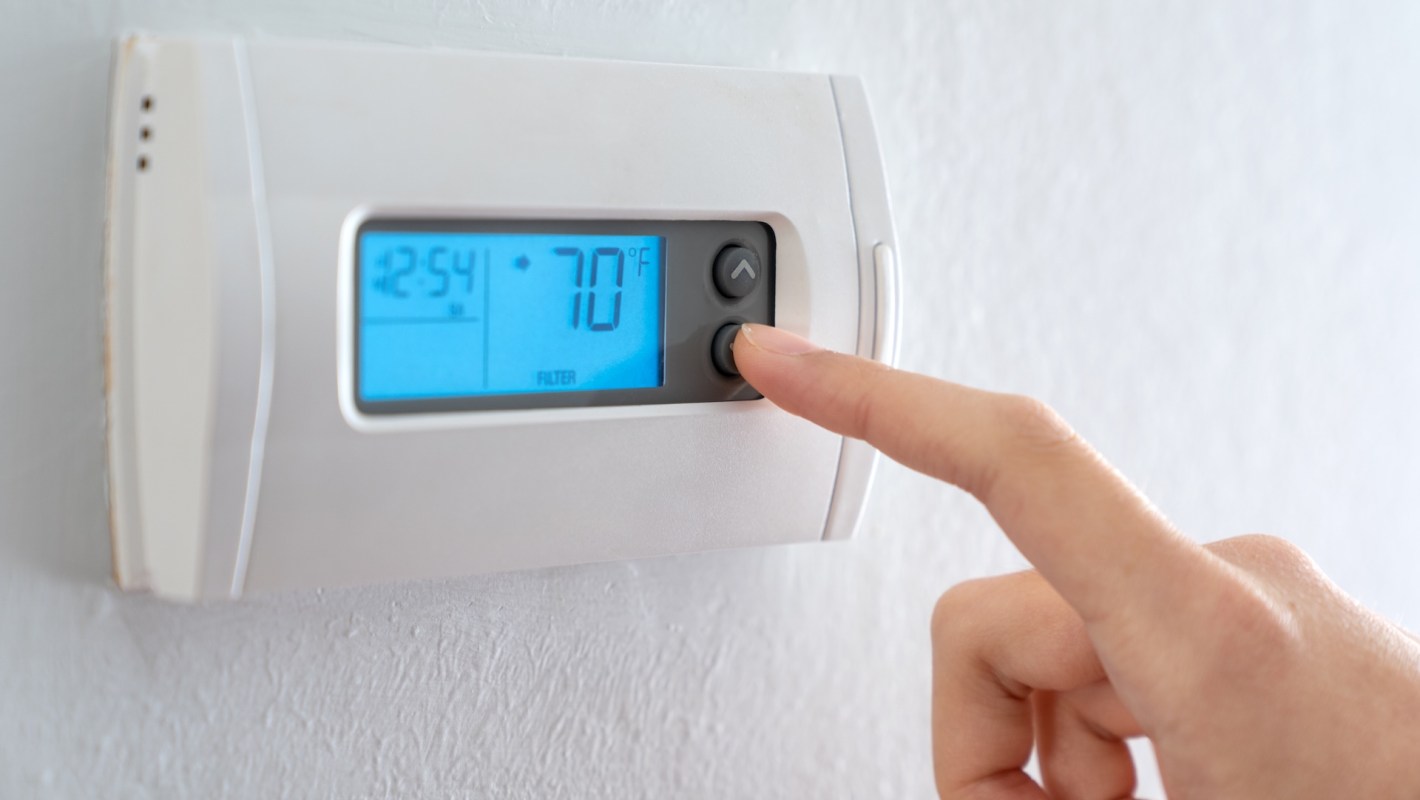
Ohio's brutal early-summer heat wave is bringing more than sweaty afternoons and sleepless nights. For many households, every click of the thermostat could show up on next month's utility bill.
In a week when parts of Ohio are seeing temperatures in the upper 90s and heat index readings around 105, even a single-degree thermostat change can affect the cost of keeping a home cool.
What's happening?
Air conditioners are running longer and harder as the dangerous stretch of heat settles over Ohio.
But estimates from Consumer Reports say just a 1-degree increase in your summer thermostat setting can trim energy costs by about 3%.
The reverse is also true: lowering the thermostat by 1 degree can add about 3% to the bill. For a household whose monthly energy costs average $300 during the summer, that would mean about $10 more — often higher if your ACs are outdated.
During a heat wave, those settings matter more because AC systems may have to run for long stretches just to keep indoor temperatures at a manageable level.
TCD Picks » Quince Spotlight
💡These best-sellers from Quince deliver affordable, sustainable luxury for all




Meanwhile, the experts at Energy Star recommend setting thermostats to 78 degrees as a balance between comfort and efficiency, although many Americans prefer homes far cooler than this.
Why does it matter?
If someone lowers the thermostat several degrees below an already efficient setting, they may end up paying significantly more over the course of a long heat wave.
Summer electricity demand climbs as households continue to face higher costs across the board. Yet, air conditioning is often essential during extreme heat, particularly for older adults, young children, and anyone with health conditions that make overheating dangerous.
But the harder home cooling systems work, the more electricity they consume, which can strain local grids during peak demand, increase pollution from power generation, and show up on bills.
What can I do?
The simplest money-saving move is to raise the thermostat slightly, if your household can do so safely. Even a one- or two-degree change may help cut cooling costs without making the home feel dramatically warmer.
When nighttime temperatures fall, opening the windows overnight and closing them again in the morning can help keep heat out. Experts also recommend using fans alongside air conditioning, since moving air can make a room feel cooler and help people stay comfortable with a slightly higher thermostat setting.
Another way to reduce the load on your AC is to block sunlight during the hottest parts of the day. Keeping curtains or blinds closed reduces indoor heat gain, so the AC does not have to work as hard.
If you spend the day away from home, a programmable or "smart" thermostat can manage more of the adjustments automatically.
Consumer Reports recommends increasing the setting by "4 degrees when sleeping" and "7 degrees when away from home" to balance comfort with savings, as reported by Cincinnati.com.

Get TCD's free newsletters for easy tips, smart advice, and a chance to earn $5,000 toward home upgrades. To see more stories like this one, change your Google preferences here.