


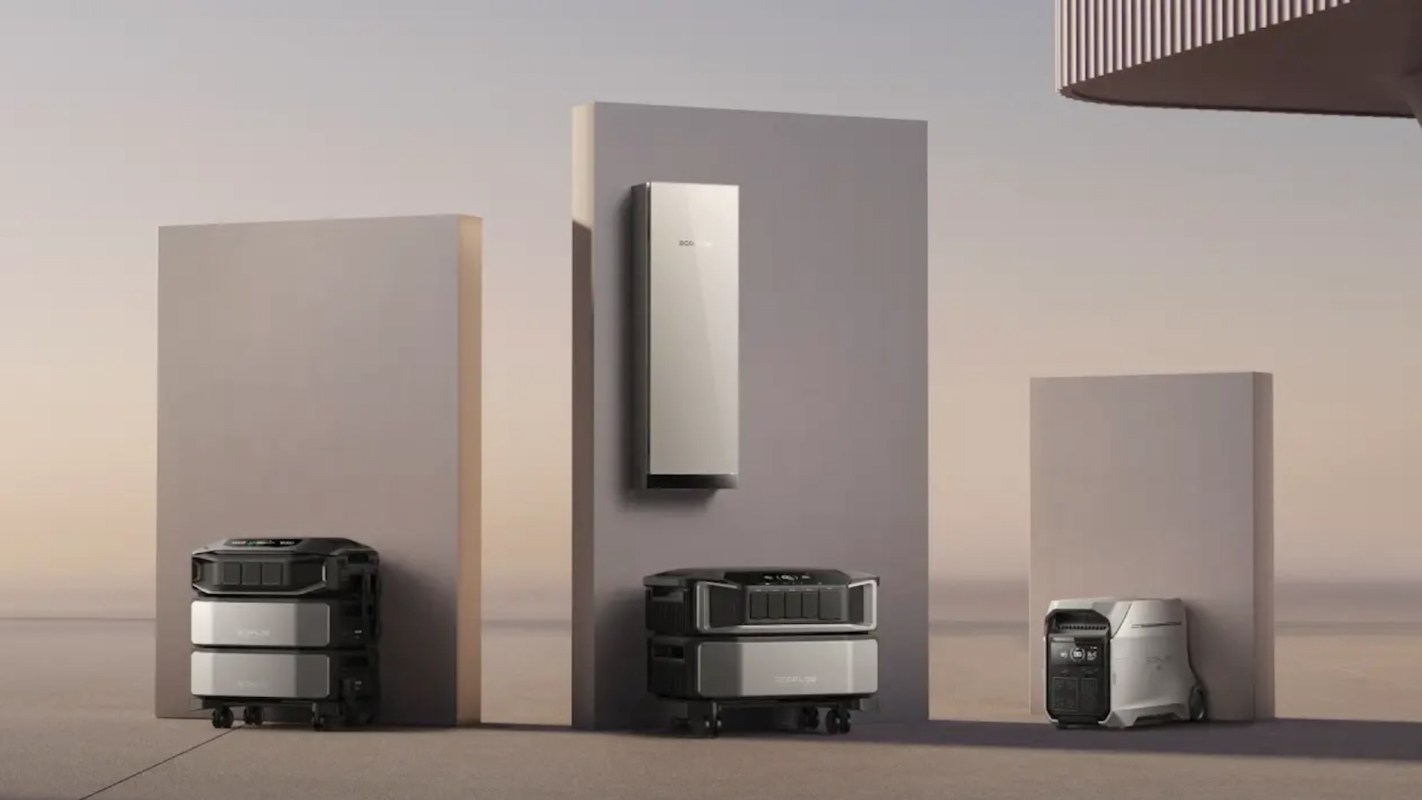
America's aging infrastructure, combined with a surge of energy-hungry data centers, is pushing more homeowners to look for ways to reduce their reliance on utility companies. One Texas couple took to Reddit to share how they fully cut ties with their grid when building their new home just outside of Austin.
They discussed their new setup on the forum r/Ecoflow_community.
According to the original poster, when they began building their 1,800 square foot "forever home," the local electricity provider quoted $22,000 to $28,000 to run power lines to their lot, and that price did not include monthly connection and usage fees. After doing some math, the couple discovered that opting for rooftop solar and batteries would be significantly cheaper.
In total, batteries, an advanced electric panel, inverters, and rooftop panels cost $19,399.
"This way it's truly off-grid. Solar charges the batteries during the day, batteries power the house at night," the OP explained.
If you want to follow in the footsteps of this homeowner and secure your own energy generation, the experts at EnergySage can help you find the best solar panels and vetted installers based on your home and budget.
In total, the OP's electrician took about six days to install the entire system, while the original timeline estimate from the power company to tie the home to the grid was three to four months.
"Our neighbors are paying $200-250 monthly for electricity. We're paying zero," the OP said.
Save $10,000 on solar panels without even sharing your phone number Want to go solar but not sure who to trust? EnergySage has your back with free and transparent quotes from fully vetted providers that can help you save as much as $10k on installation. To get started, just answer a few questions about your home — no phone number required. Within a day or two, EnergySage will email you the best local options for your needs, and their expert advisers can help you compare quotes and pick a winner. |

Typical solar panels last 25 to 30 years. Even without factoring in likely electricity rate increases and the cost of powerline construction, this homeowner could still save an estimated $40,000 to $70,000 on electricity bills after paying off the initial investment.
While these savings are impressive, some homeowners see more, reaching over six figures in savings after installing panels.
|
Which of these savings plans for rooftop solar panels would be most appealing for you?
Click your choice to see results and earn rewards to spend on home upgrades. |
 Save $1,000 this year 💸
 EnergySage offers free resources on solar if these savings figures are intriguing to you. By working with its energy experts, you could save up to $10,000 on the cost of installation.
You can get a better sense of solar prices in your state and discover local incentives by checking out EnergySage's helpful mapping tool. It ensures you lock in the best price for panels.
More From EnergySage
💡Go deep on the latest news and trends shaping the residential solar landscape
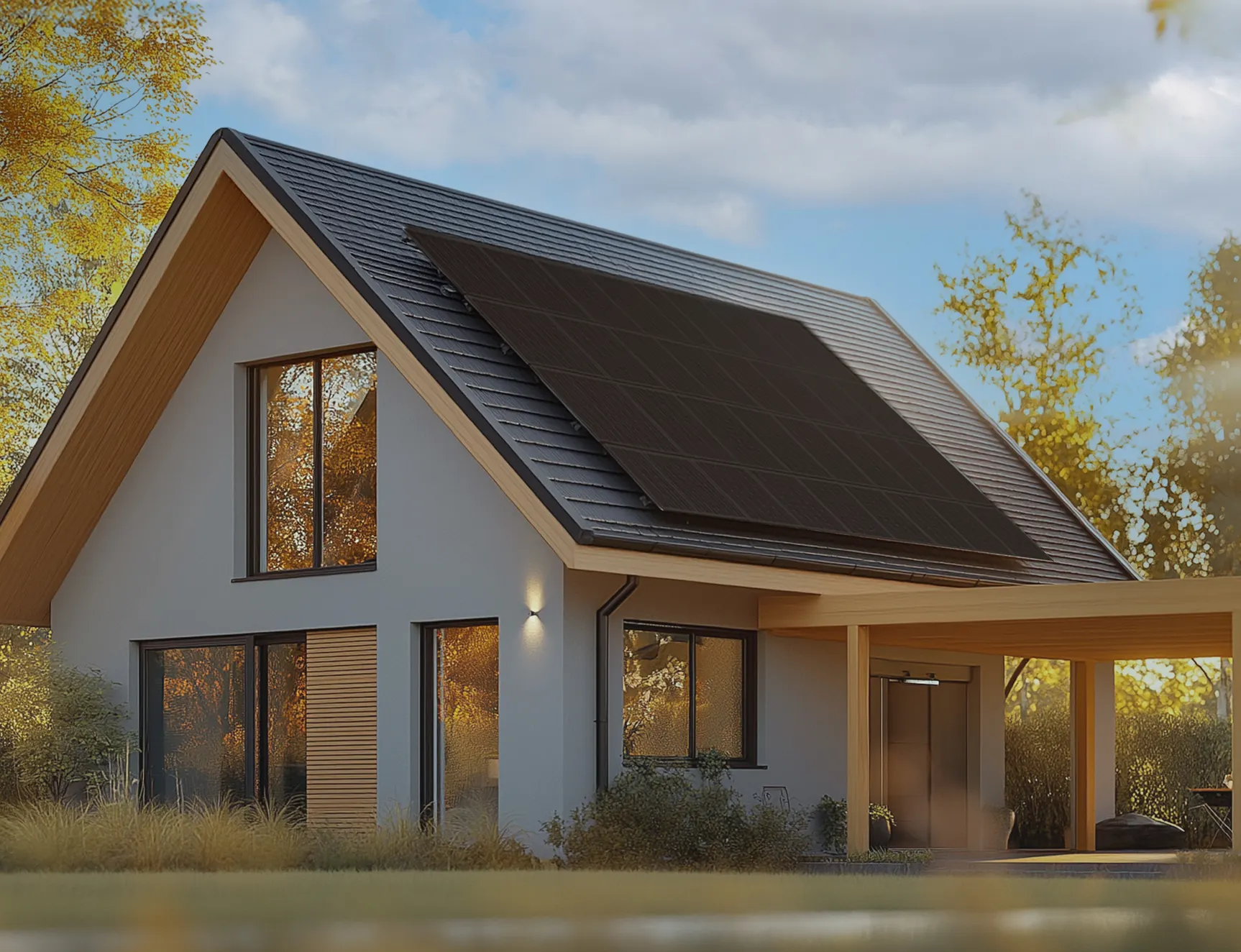
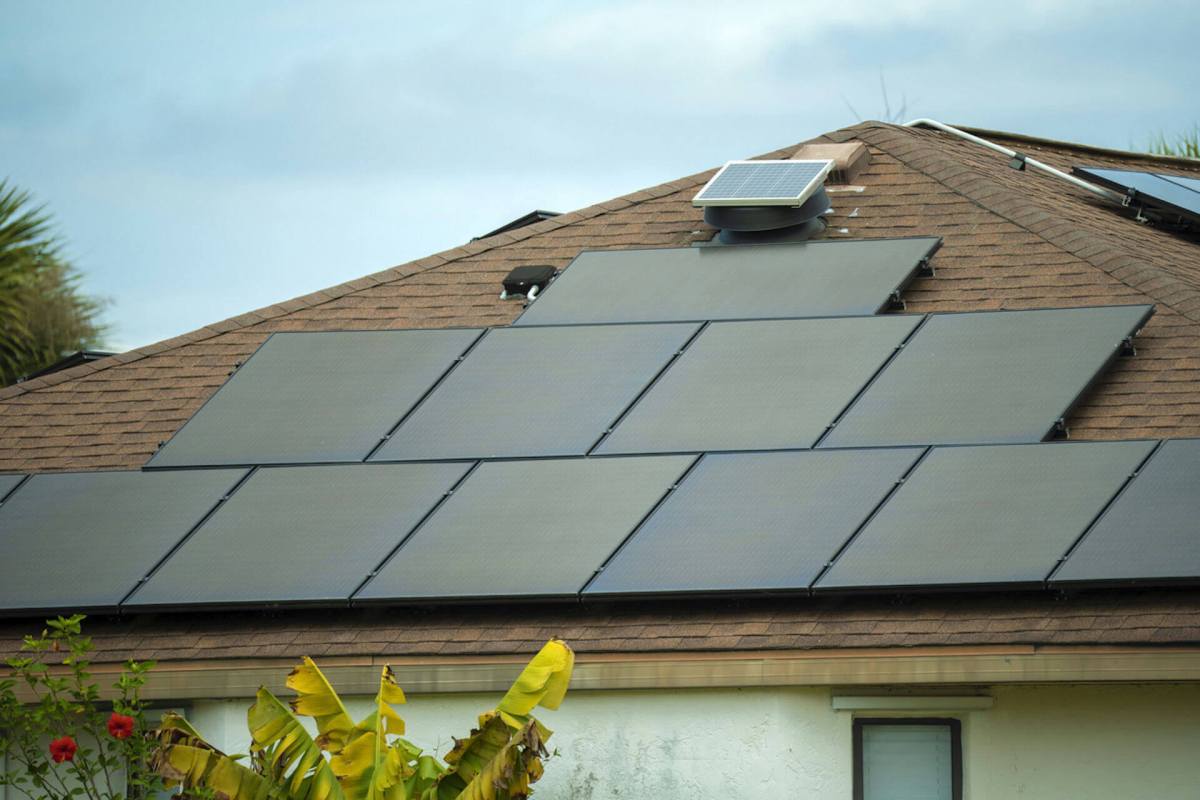

To go fully off-grid like this homeowner, or just protect yourself from frustrating power outages, you'll probably want to pair your solar panels with a home battery. EnergySage can help you here, too, by connecting you with information and competitive installation estimates for home energy storage solutions.
Although some commenters had concerns, others quickly chimed in with their support of the OP's off-grid home.
"Your off-grid home setup is so inspiring. The cost-saving and self-sufficient way is amazing. I'm curious about how the daily power management works smoothly," one wrote.
"Avoiding utility fees with a self-powered setup is smart. The neighbor bill comparison proves it works. I'll explore such options for my home," another said.

Get TCD's free newsletters for easy tips, smart advice, and a chance to earn $5,000 toward home upgrades. To see more stories like this one, change your Google preferences here.






