


North Carolina's record-setting early July heat could show up not only in temperature logs but also in what people pay to cool their homes.
In some households, keeping the AC running through triple-digit temperatures could push summer electricity costs up by as much as $100.
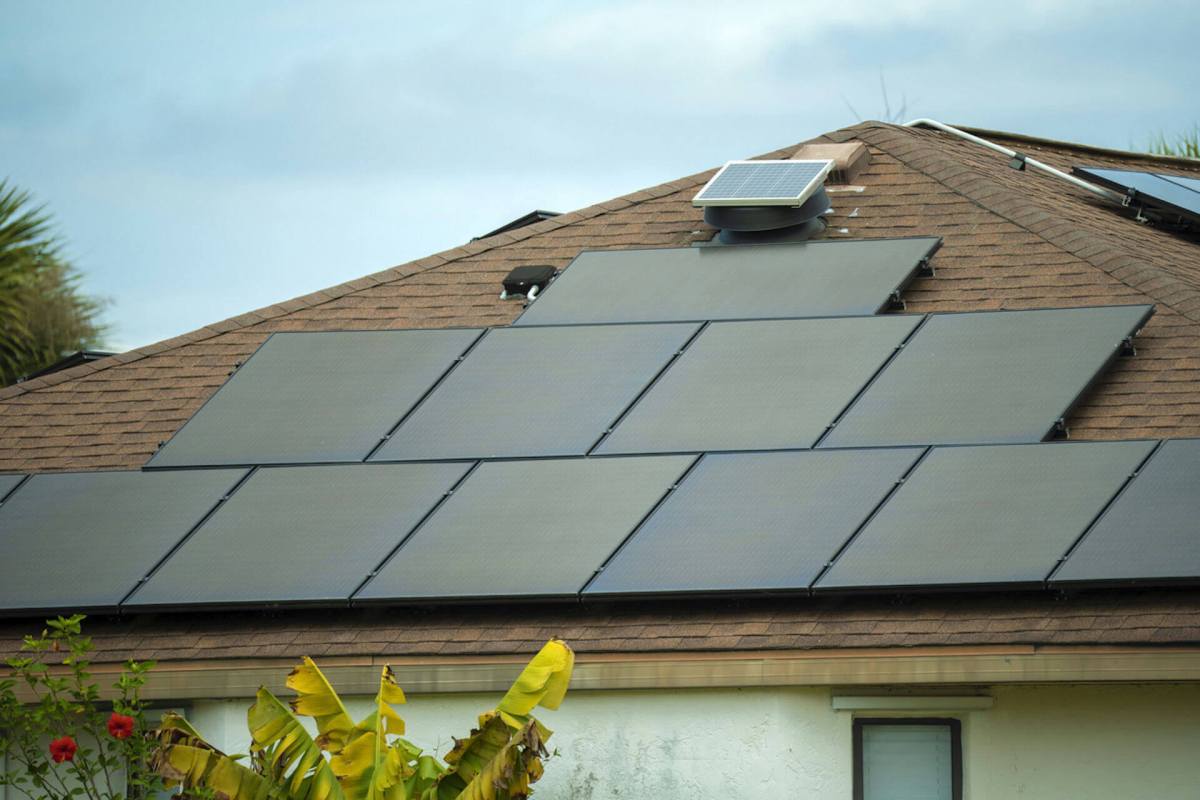
One of the best ways to save money on home energy is by going solar, which can shrink or even replace a major share of what homeowners pay for electricity over time.
If you're curious what that could look like for your home, EnergySage offers free tools to get quick solar installation estimates, and EnergySage lets you compare quotes from vetted installers.
What's happening?
Across parts of the state, an unusually hot opening to July is sending home energy use higher.
According to the Southeast Regional Climate Center, Greensboro has logged its hottest start to July ever, while Charlotte and Raleigh have each posted their second-hottest start to the month.
Spectrum News 1 meteorologists said Raleigh reached 103 degrees on July 4, surpassing the old mark of 101 set in 2024 and 2012.
Duke Energy says a typical monthly power bill is driven heavily by climate control, with cooling and heating making up nearly half of the total.
Save $10,000 on solar panels without even sharing your phone number Want to go solar but not sure who to trust? EnergySage has your back with free and transparent quotes from fully vetted providers that can help you save as much as $10k on installation. To get started, just answer a few questions about your home — no phone number required. Within a day or two, EnergySage will email you the best local options for your needs, and their expert advisers can help you compare quotes and pick a winner. |

Tyler Dominisac, who performs home energy checkups for Duke Energy, showed Spectrum News 1 several common trouble spots, including attics, aging window seals, drafty doors, dirty air filters, and thermostat settings.
Why does it matter?
For families already trying to keep up with summer expenses, a heat wave like this can quickly turn into a financial burden.
The added demand could leave some families spending up to $100 more on electricity over the course of the summer.
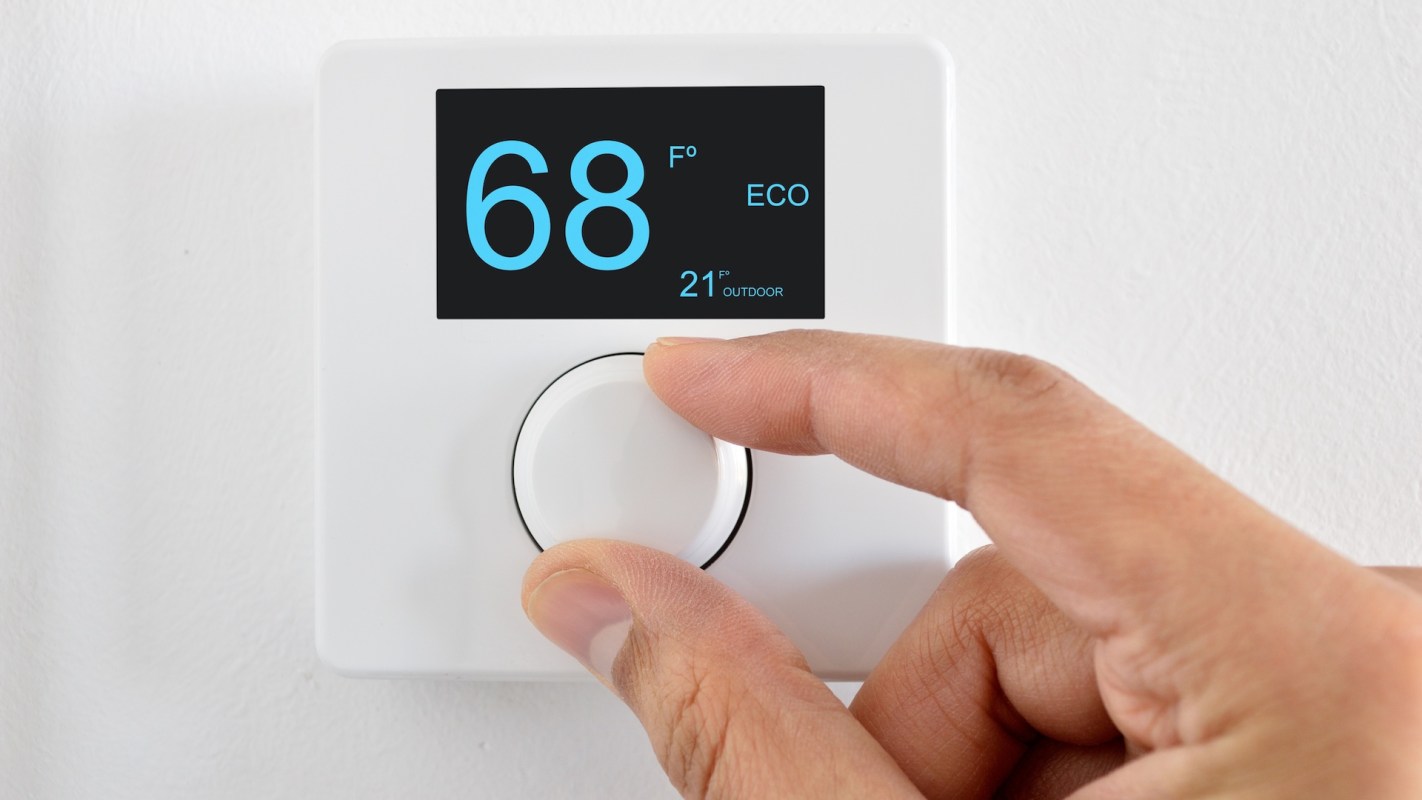
Because heating and cooling consume such a large share of household electricity, thermostat settings can have an outsized effect.
More From EnergySage
💡Go deep on the latest news and trends shaping the residential solar landscape


As Dominisac said, "We want to set this thermostat on the highest comfortable setting in the summertime. In the lowest comfortable setting in the wintertime."
Beyond household budgets, prolonged triple-digit heat also puts extra strain on air-conditioning systems and forces utilities to prepare for heavier demand across the grid.
What can I do?
Relatively inexpensive steps can make a difference, including inspecting attic insulation and access, sealing gaps around window trim, installing weatherstripping around doors, and replacing HVAC filters every 30 to 90 days.
Dominisac said door weatherstripping is "very cheap. As you can see, very simple and quick."
Eligible Duke Energy customers can receive a free in-home, by-phone, or virtual energy assessment once every three years, and they can also complete an online assessment annually.
Those evaluations can help pinpoint where conditioned air is leaking out and which changes are most likely to lower the next bill.
For bigger long-term savings, EnergySage's free services can be worth a look. With EnergySage's help, the average person can save up to $10,000 on solar purchases and installations. Readers can also use EnergySage's solar map, which shows the average cost of a home solar panel system on a state-by-state level, along with details on solar panel incentives for each state.
Together, those resources can help homeowners get the best price for rooftop solar panels and access available incentives.
Adding battery storage to a solar setup is one of the best ways to protect your home during outages, save money on energy, and go off-grid. It can also help keep essential appliances running when extreme heat puts extra pressure on the power system. For more information about home battery storage options, including competitive installation estimates, explore EnergySage's free tools.
As Caroline Fountain of Duke Energy said, "There's a lot of different ways that we may not think about around our home, that we're able to save on energy and then save on our bill."
Dominisac added, "You can see all that cracking starting to form."

Get TCD's free newsletters for easy tips, smart advice, and a chance to earn $5,000 toward home upgrades. To see more stories like this one, change your Google preferences here.






