


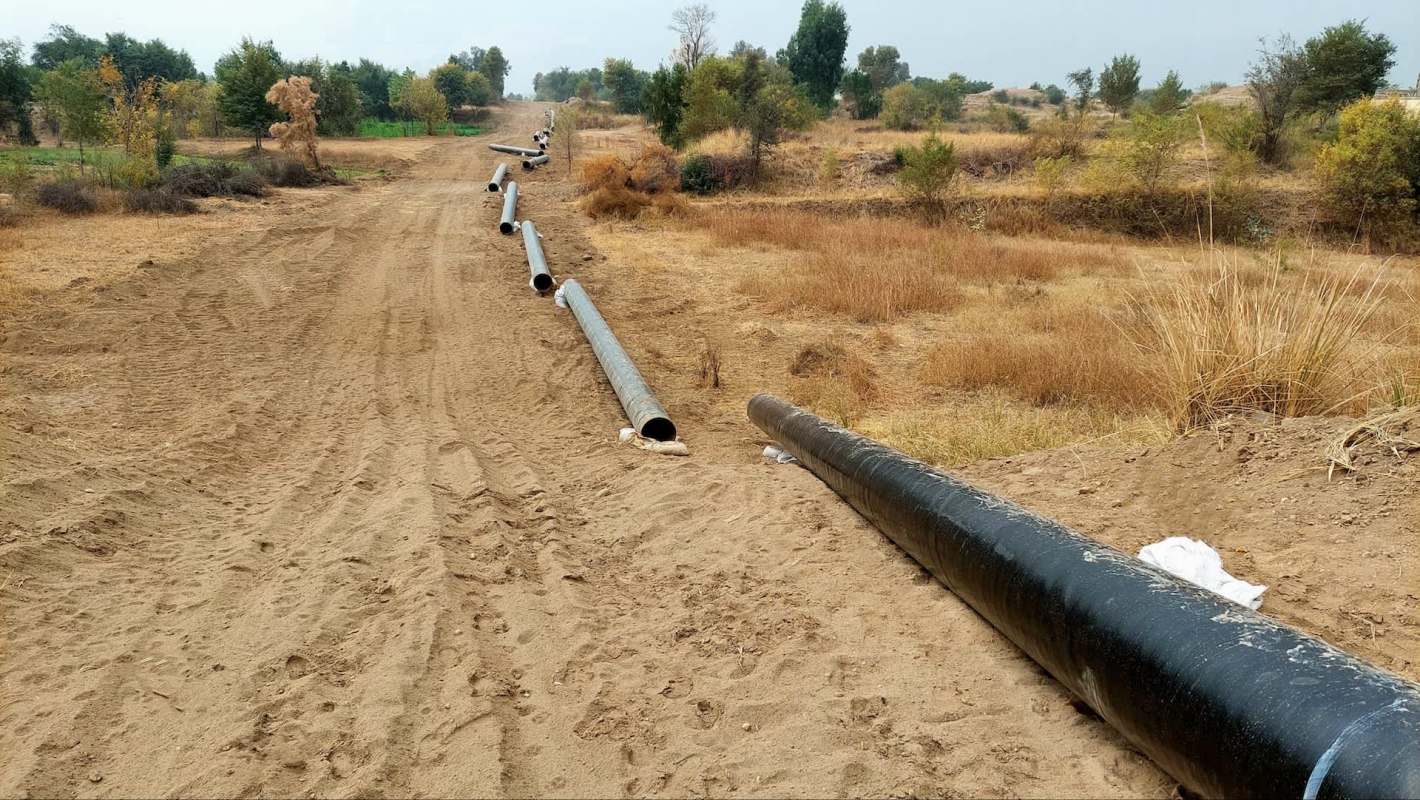
In central North Carolina, a proposed natural gas pipeline has sparked a dispute between Enbridge Gas North Carolina and landowners in Chatham County, including families who say the affected properties have been in their care for decades or even generations.
What happened?
According to The News & Observer, Eileen and James Gunipero received an April 16 letter from Enbridge Gas North Carolina stating that the company wanted to survey their 22-acre property for a proposed 28-mile pipeline.
Residents say the route remains unsettled months later, so they still cannot tell whether farms, wetlands, or culturally significant land might end up in the pipeline's path.
At a July 17 meeting in Pittsboro hosted by the Haw River Assembly, about 40 people gathered to discuss the project, eminent domain, and concerns that a future data center could be driving demand.
Emily Sutton, executive director of the Haw River Assembly, told attendees, "We're going to be working together to stop this pipeline."
Enbridge spokesperson Persida Montanez told the newspaper the 12-inch pipeline is needed to handle rising home and business demand in Chatham and Lee counties. She said customer totals in Chatham County rose 2.7% over the last year and that surveyed landowners were each assigned an agent to address route concerns.
TCD Picks » Quince Spotlight
💡These best-sellers from Quince deliver affordable, sustainable luxury for all




Why does it matter?
Permanent easements for the pipeline are expected to be 50 feet wide, and landowners fear long-term restrictions on building and farming.
Dorasue Christian, an 85-year-old widow whose family land could be affected, said, "If Enbridge takes this land, they're going to have to come over my dead body."
Residents have also raised concerns about possible harm to waterways, wildlife habitat, and Indigenous heritage sites.
Retired biologist John Alderman has warned federal regulators about risks to the Rocky River-Deep River system, while Crystal Cavalier-Keck of 7 Directions of Service, an Indigenous-led environmental justice organization, said the route crosses documented Tuscarora village sites.
What's being done?
Opponents are organizing before the route is finalized.
Sutton told residents that Enbridge cannot apply for environmental permits until it settles on a route, and she urged people, according to The News & Observer, to ask the North Carolina Department of Environmental Quality to require separate permits for every stream and wetland crossing rather than a broader general permit.
Residents are also being encouraged to document culturally significant sites on their own properties instead of relying solely on company-funded surveys.
Enbridge says it is still gathering input.
Montanez told The News & Observer, "We take cultural and archaeological resources really seriously," and said, according to the newspaper, that the company would try to steer clear of those areas wherever possible.
The company also said that it could use horizontal directional drilling under larger rivers and sensitive areas to limit surface disturbance.
Chatham County's Board of Commissioners has scheduled an Aug. 5 meeting for more public comment.
"It just feels like our property is being usurped," Eileen Gunipero said.
James Gunipero was even more direct: "Once they leave that pipeline in, we're living on a landmine, essentially."

Get TCD's free newsletters for easy tips, smart advice, and a chance to earn $5,000 toward home upgrades. To see more stories like this one, change your Google preferences here.






