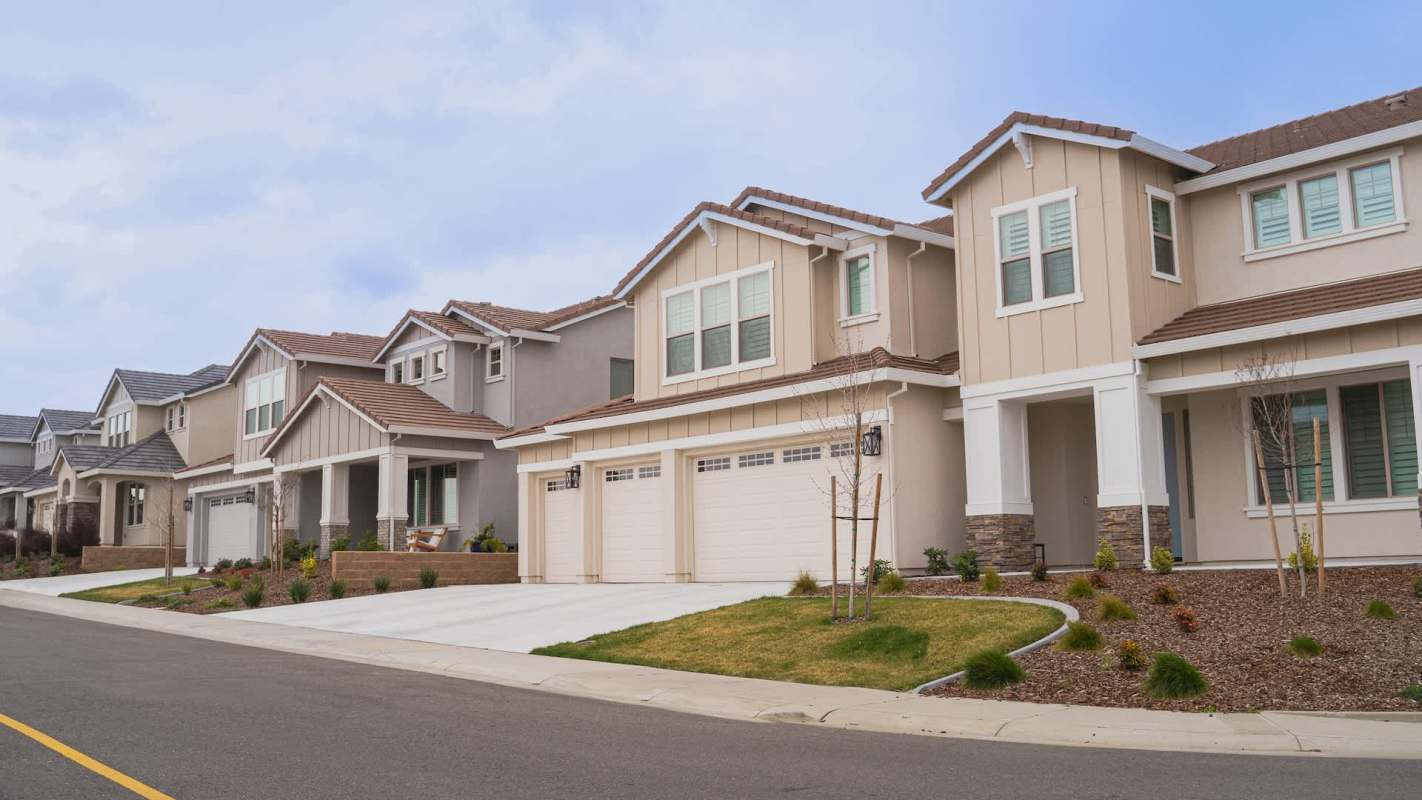
For some homeowners in North Carolina, the cost of living in their neighborhood could soon rise dramatically.
In Magnolia Cove — a subdivision in Sherrills Ford north of Charlotte — homeowners say a proposed homeowners association change would lift monthly dues from $350 to $1,250 and add a $10,000 special assessment, according to WSOC.
What's happening?
People living in the 80-home neighborhood told WSOC (via Yahoo News) that the increase could leave some owners, including retirees, unable to afford staying in their homes.
Several residents said the fees have already climbed sharply in recent years, rising from $158 per month four years ago.
Homeowners say they still have unanswered questions about the association's finances. They said dues were meant to cover lawn care and a community pool that was never built, and now they are being presented with a much larger bill without a chance to vote on it.
Residents described the toll in personal terms. Jill Menson said the situation has been devastating, while Stephanie Roebuck said she did not expect the neighborhood to become rental-heavy. Mike Brokaw told WSOC he believes the litigation reflects a lack of transparency and could have been avoided.
TCD Picks » Good Store Spotlight
Get 10% off your next purchase with code TCD10




The association's attorney, H. Weldon Jones III, told WSOC that the increases were meant to pay for HOA operations and said the developer had long covered those expenses because some owners were delinquent on dues or not paying them at all.
Why does it matter?
A sudden increase of this size can quickly turn homeownership into a financial crisis. For families living on fixed incomes, $900 added to their expenses every month — combined with a five-figure assessment — can force decisions about whether to stay, take on debt, or sell.
The Magnolia Cove dispute also underscores how much control developers can retain in newer communities. Residents said the developer also serves as HOA president, an arrangement that is common during declarant control periods but can still leave homeowners with little input on major financial decisions.
HOAs across the country have also faced criticism for blocking money-saving home upgrades that can help lower utility and maintenance costs, such as rooftop solar panels and native plant lawns. Homeowners looking to push for change can start with the TCD guide on working with HOAs.
What's being done?
For Magnolia Cove residents, there does not appear to be an immediate solution.
Homeowners have started a GoFundMe to help cover attorney fees, and they said the next HOA meeting will take place online, with questions submitted ahead of time and no vote for owners on the increases, according to WSOC.
At the state level, North Carolina lawmakers are considering changes that could limit some HOA power. One proposal would restrict how long a developer can control an association, ending that period after certain lot-sale or development milestones are reached. It would also require board elections after 25% and 50% of lots are conveyed to owners.
Another measure, House Bill 444, would bar boards from raising ratified common-expense budgets by more than 5% without majority owner approval. The bill would also cap fines at $2,500, require notice before hearings, and send some disputes to mediation before they make it to court.

Get TCD's free newsletters for easy tips, smart advice, and a chance to earn $5,000 toward home upgrades. To see more stories like this one, change your Google preferences here.