


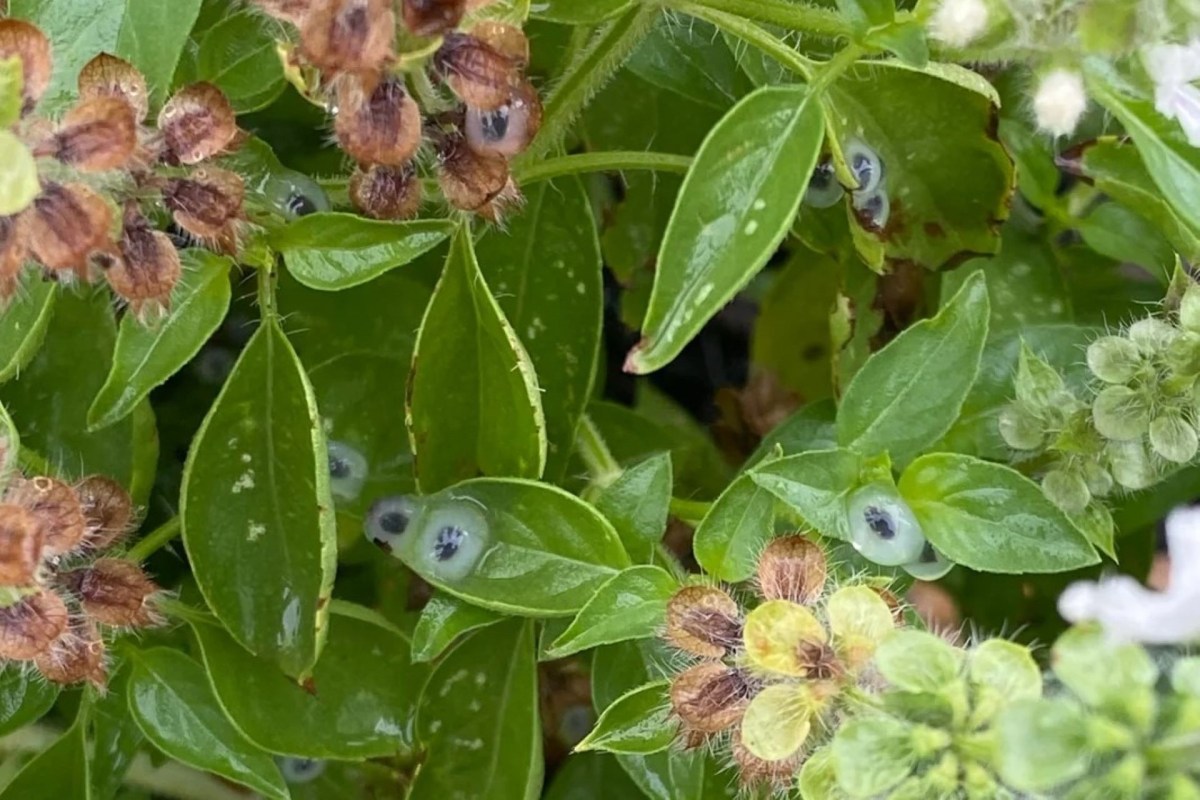
A North Carolina gardener turned to Reddit after heavy rain left clear, egg-shaped blobs across the soil and leaves near strawberry and tomato plants, prompting concern that something unwelcome had shown up in the garden.
Instead, the mystery turned into a surprisingly wholesome lesson about basil, rain, and the strange things seeds can do.
What happened?
The post appeared on Reddit's r/vegetablegardening after the gardener noticed the blobs covering dirt and foliage around a strawberry plant and beginning to appear on tomato plants and elsewhere as well.
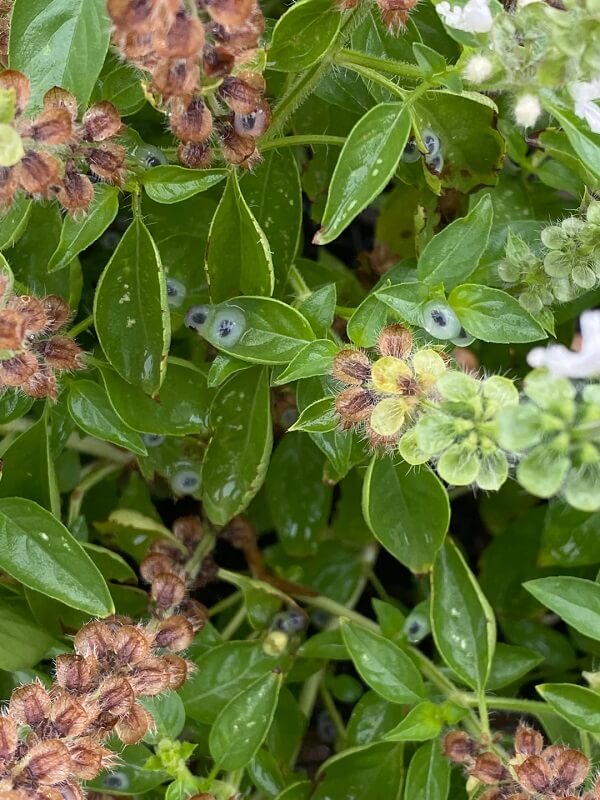
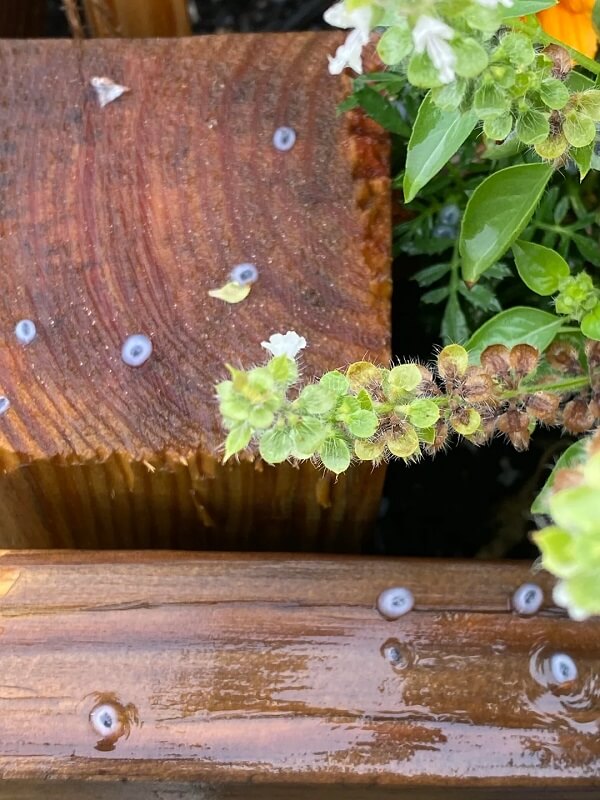
Asking the community for help, the poster wrote, "Hello! Anyone know if these clear egg shaped droplets are in fact eggs? And if so, what might they be?"
They also asked, "Is this a friend or foe situation?"
There was little reason to worry, commenters said.
TCD Picks » Quince Spotlight
💡These best-sellers from Quince deliver affordable, sustainable luxury for all




They identified the odd droplets as seeds from a lemon basil plant, and one commenter explained, "Those are most likely the basil seeds coming from the flowers… when wet, they develop that gel coating, some people treat them similarly to chia seeds. So… nothing to worry about! Besides probably a bunch of volunteer basil plants next year."
The original poster later confirmed the likely source, writing: "Yes lol. A lemon basil plant. Perhaps too many plants for next season but more for the bees!"
One commenter highlighted why the mix-up made sense: "That's funny. They're definitely basil seeds but they look like frog eggs."
Why does it matter?
Unusual-looking growths or droplets can easily raise concerns about pests, disease, or crop damage.
But not every strange sight in the garden signals a real problem.
The benefits of gardening also stretch far beyond solving small backyard mysteries. Growing herbs, fruits, and vegetables at home can help cut grocery costs, provide fresher and often better-tasting produce, and support physical and mental well-being through movement, time outdoors, and stress relief.
In this case, the "problem" may even come with an added bonus. If the soaked basil seeds sprout, the gardener could end up with extra volunteer plants — and more flowers for pollinators.
What can I do?
If you spot something unusual in your garden after a storm, it can help to pause before assuming the worst. Rain can change the appearance of seeds, pollen, fungi, and plant debris, sometimes making harmless material look dramatic overnight.
A good first step is to check what is growing nearby. Herbs such as basil can self-seed readily, and their seeds can take on a gel-like texture in the rain.
If you want fewer surprise seedlings next year, trimming flower heads before they drop seed can help.
If you do not mind extras, you may end up with free plants.
For gardeners interested in saving money and getting more flavor from homegrown food, herbs are one of the easiest places to begin. Basil grows well in many small spaces, including containers, and it can be a great entry point for anyone interested in growing your own food.
"We're all here to learn with you. Thank you for posting," one commenter wrote.
Another added, "Don't take it down! I learned something new."
The original poster seemed to agree: "Typically I take my posts down when I've made a fool of myself but this is pretty funny so it's staying up LOL."

Get TCD's free newsletters for easy tips, smart advice, and a chance to earn $5,000 toward home upgrades. To see more stories like this one, change your Google preferences here.






