


A Reddit post showing what a "no-lawn" yard really looks like after one year is gaining attention for its honesty — and for reminding homeowners that ditching grass doesn't deliver instant curb appeal.
The post, shared in the r/NoLawns subreddit, features before-and-after aerial photos of a front yard taken one year after the homeowner removed their traditional turf. It's resonating with thousands of viewers who are curious about native landscaping — and nervous about the messy middle phase.
In the caption, the homeowner explained that they replaced their lawn with "a mix of native plants, edibles, pollinators, and hardy plants and flowers," acknowledging that the results still "look a little rough."
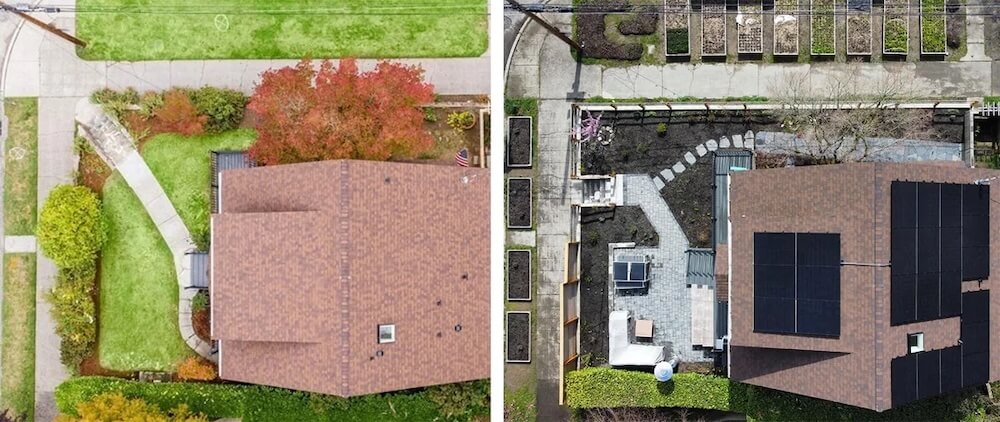
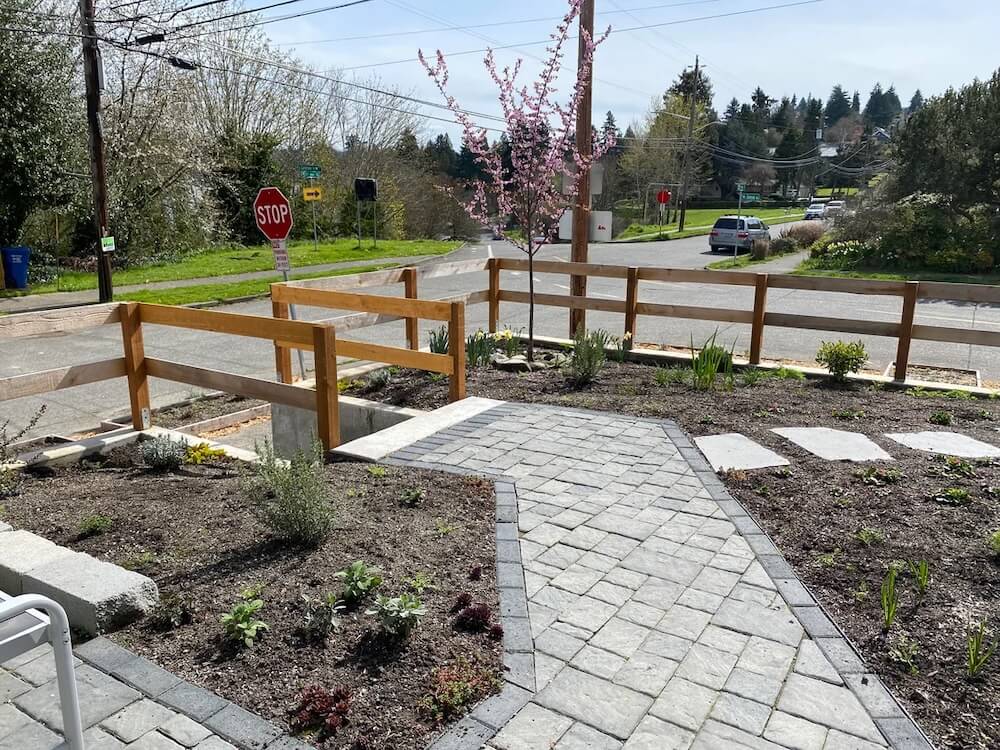
The aerial image shows broad areas of mulch where grass once grew, while three closer shots highlight intentionally spaced plants that haven't yet reached full size. Together, the photos capture a common but rarely shared stage of rewilding: a yard that's functional and intentional, but not yet lush.
One comment, whose account name has since been deleted, said: "I have to admit it looks a little rough at the moment with so much bare mulch, but as those plants grow I think it'll come into its own wonderfully!"
However, one Redditor disagreed, remarking, "Ouch, there goes the neighborhood lol downgrade."
The rest of the feedback expressed support, including one who noticed that the homeowner's sustainable lifestyle went beyond gardening.
"Nice upgrade! Love the solar panels too," another commenter wrote.
Posts like this are fueling growing interest in native-plant and natural lawns, which can save homeowners money and time by reducing mowing, fertilizing, and watering. Even partially converting lawns with native options like clover and buffalo grass or xeriscaping, which uses drought-adapted plants, mulch, and efficient irrigation, allows homeowners to reap these benefits while supporting pollinators and improving soil health.
Rewilding yards or upgrading to native lawns is often less expensive and less labor-intensive than maintaining traditional turf. In some cities, such as Phoenix, Arizona, homeowners can become certified after transforming their yards to benefit local wildlife. The city government pays residents $2 per square foot of grass removed for a more water-efficient landscape.
TCD Picks » Quince Spotlight
💡These best-sellers from Quince deliver affordable, sustainable luxury for all




Progress doesn't have to be picture-perfect to be worthwhile. For many commenters, the takeaway was simple: patience pays off — and the environmental wins start long before the yard looks finished.
|
If you were to switch from a grass lawn to a more natural option, which of these factors would be your primary motivation?
Click your choice to see results and speak your mind. |
 Making it look better 🌱
Get TCD's free newsletters for easy tips to save more, waste less, and make smarter choices — and earn up to $5,000 toward clean upgrades in TCD's exclusive Rewards Club.
Cool Picks






