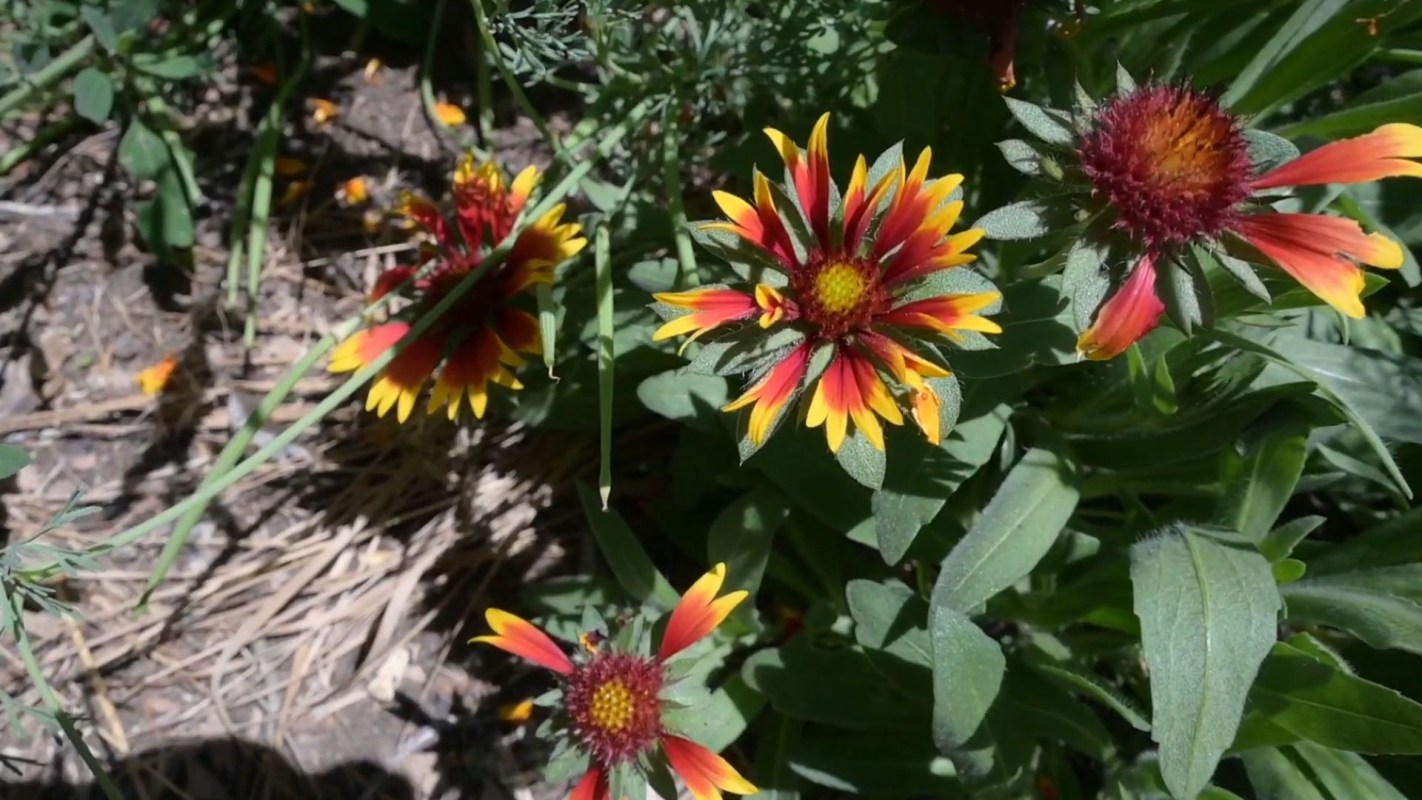
One gardener is showing that when plants are allowed to grow close together in a no-dig, permaculture-oriented garden, the result can look wilder than a traditional backyard bed while also appearing more abundant, lively, and resilient.
What's happening?
In Daren Cullimore's permaculture-minded garden, strict spacing gives way to a loose layout, with plants allowed to crowd together instead of being arranged in neat rows.
In a tour shared on YouTube, he shows beds where weeds, flowers, annuals, and perennials all occupy the same space.
Rather than repeatedly disturbing the garden by digging, thinning, or reworking the beds, Cullimore allowed the area to fill out.
The beds function more like a shared plant community than a carefully separated layout, and that light touch produces a layered look that feels closer to nature than many standard home gardens.
At the center of the approach is the belief that "plants are designed to live together," Cullimore wrote. That means volunteer plants are not automatically treated as a problem, and close planting and variety are part of how the system works.
TCD Picks » Quince Spotlight
💡These best-sellers from Quince deliver affordable, sustainable luxury for all




For gardeners interested in less rigid beds and more biodiversity, the result is a dense, lush growing space that offers a different model.
Why does it matter?
Cullimore's garden challenges the idea that a productive growing space must also look polished.
A densely planted bed can shade the soil, reduce moisture loss, and create habitat for pollinators and other beneficial insects, all while easing the impulse to overmanage every inch of the garden.
Growing food at home can lower grocery bills, especially when produce prices are high.
It can also provide fresher, better-tasting fruits, vegetables, and herbs that do not need to travel long distances before reaching your plate.
Gardening is associated with well-known physical and mental health benefits, too. Digging less and spending more time observing, planting, pruning, and harvesting can offer gentle exercise, reduce stress, and make outdoor spaces restorative.
A resilient garden that works with natural processes rather than against them may be especially appealing to people seeking low-cost, low-chemical ways to care for their yards.
What can I do?
If you want to try this approach at home, it may help to start small.
Choose one bed and experiment with leaving the soil undisturbed, adding compost on top instead of turning everything over, and mixing flowers with edible crops rather than planting each type separately.
A biodiverse garden may look less formal, but that does not mean it is neglected.
Pay attention to which plants support each other, which volunteer plants are useful, and where dense growth helps cover bare soil.
Even a modest home garden can provide ingredients for meals while reducing reliance on store-bought produce.
Leave room to observe before removing anything. Cullimore's example suggests that, in some cases, the healthiest garden is not the one controlled most tightly but the one allowed to find its own balance.

Get TCD's free newsletters for easy tips, smart advice, and a chance to earn $5,000 toward home upgrades. To see more stories like this one, change your Google preferences here.