


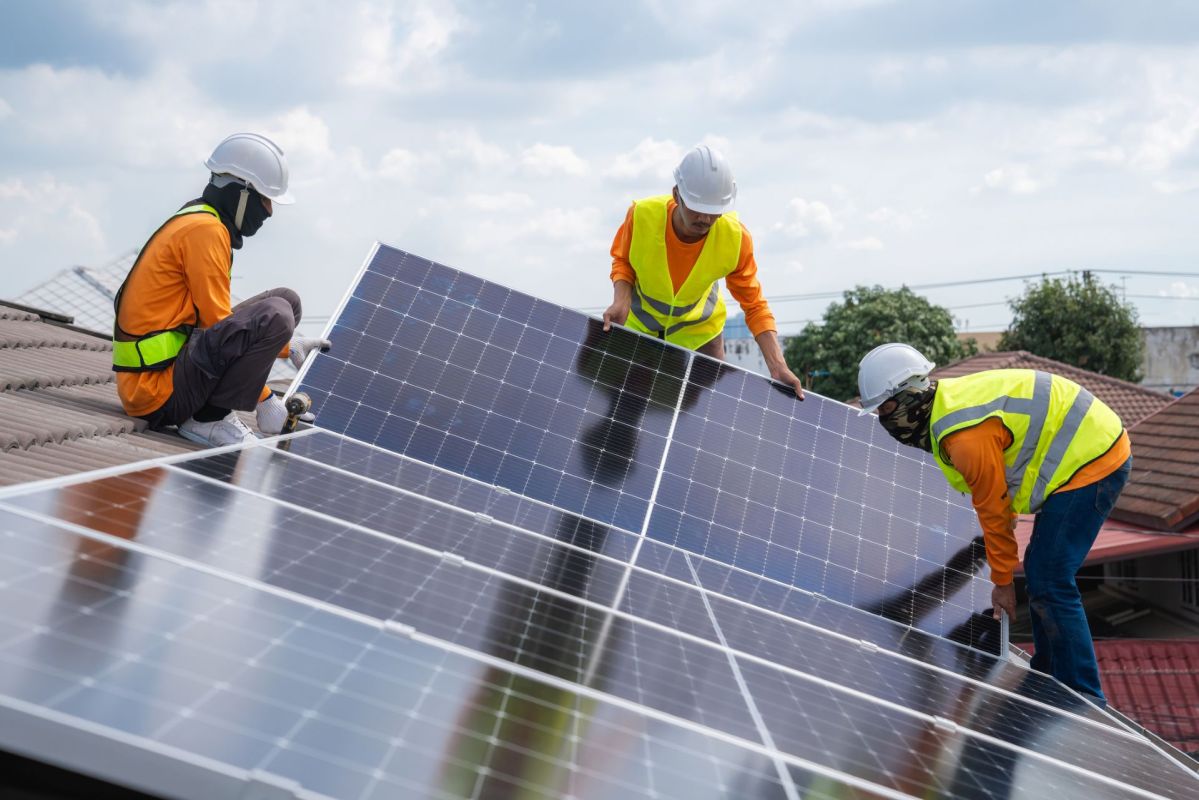
A new $200 million solar package in New York's 2027 budget will continue the state's push toward renewable energy, with funds targeted toward households that often have the hardest time accessing rooftop or community solar.
The plan includes assistance for low- and moderate-income homeowners, affordable housing properties, and community solar projects, with the goal of extending savings to people for whom typical home solar is not an option.
Here's what to know
According to the Westfair Business Journal, the funding could result in more than 565 megawatts of additional solar capacity, enough to serve upwards of 90,000 homes. The New York State Energy Research and Development Agency laid out the spending plan on October 14, explaining how the agency intended to allocate the $200 million in funding.
About $116 million, the largest share of the package, was slated for community and commercial solar projects larger than one megawatt. According to the New York State Energy Research and Development Agency, that category was projected to support roughly 450 megawatts of solar capacity, supplying electricity to more than 73,000 homes and businesses.
Crushed by your bills? See instant solar savings from vetted installers in just a few clicks With energy prices through the roof, there's never been a better time to go solar — and EasyHome can help you find the best prices from the best installers in your area. EasyHome takes the guesswork and headaches out of energy upgrades by showing you estimated savings from a network of vetted local partners. To get started, just enter your ZIP and share a few details about your home — seeing your estimate is really that easy. |

Under the plan, the remaining funding, totaling approximately $83 million, would be spread across several other priorities. Roughly $31 million would fund 75 megawatts of solar at midsize commercial, government, and multifamily sites, while roughly $20 million would back 40 megawatts of new on-site systems for low- and moderate-income homeowners. The rest of the money would be reserved for places needing the most support, the New York State Energy Research and Development Agency said, per the Westfair Business Journal.
Going solar is one of the best ways to save money on home energy, especially when state incentives can lower upfront costs or provide bill credits over time. If you want to see what rooftop solar might cost for your home, you can try EnergySage to get free installation estimates and compare quotes.
More background
Under the New York State Energy Research and Development Agency plan, owners of affordable housing would continue to have access to the NY-Sun Multifamily Affordable Housing Incentive through the midsize-project funding, helping to reduce residents' energy costs. Those projects were expected to be mostly rooftop systems that use the power on-site, which can help ease strain on local grids while also lowering electricity bills.
Beyond affordable housing, NY-Sun incentives apply to a wide mix of solar locations, including home and business rooftops, parking canopies, landfills, and other sites. The variety of approved locations gives the state and program participants flexibility and encourages out-of-the-box thinking when it comes to building out solar capacity.
"NY-Sun continues to be a national model for growing distributed solar in a way that is affordable and reliable for all New Yorkers," said Doreen M. Harris, the Agency's president and CEO, according to the Westfair Business Journal.
"This funding delivers bill relief to the households that need it most and helps businesses lower their energy costs with rooftop projects that also strengthen the grid — providing power during peak load."
For anyone trying to determine whether solar makes financial sense for their household, EnergySage offers free estimates and lets you compare quotes from local installers. With EnergySage's help, the average person can save up to $10,000 on solar purchases and installations.
Meanwhile, EnergySage's solar map shows the average cost of a home solar panel system in each state and details the incentives available there. Together, these features can help homeowners ensure that they are getting the best price available for rooftop solar panels.
More From EnergySage
💡Go deep on the latest news and trends shaping the residential solar landscape
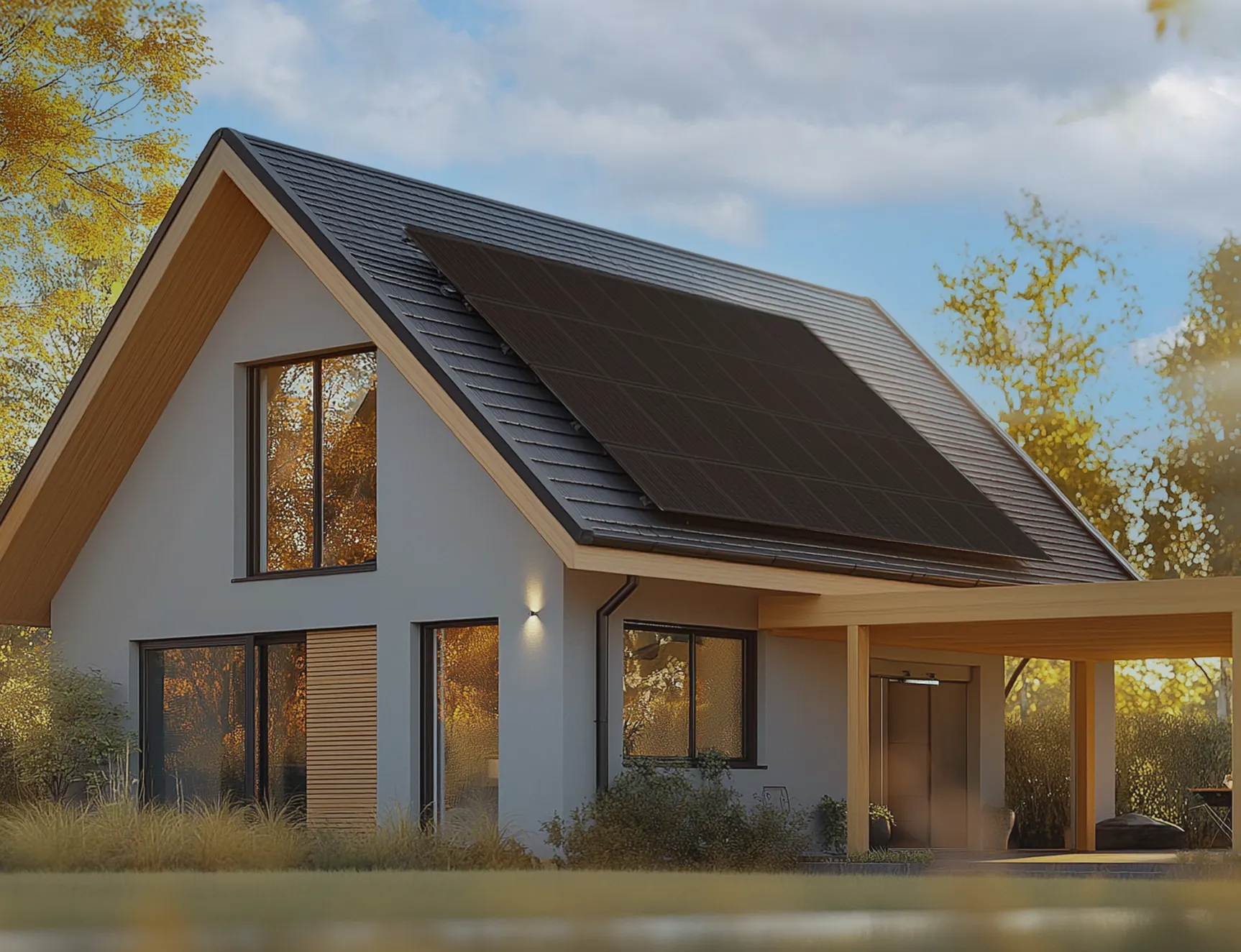
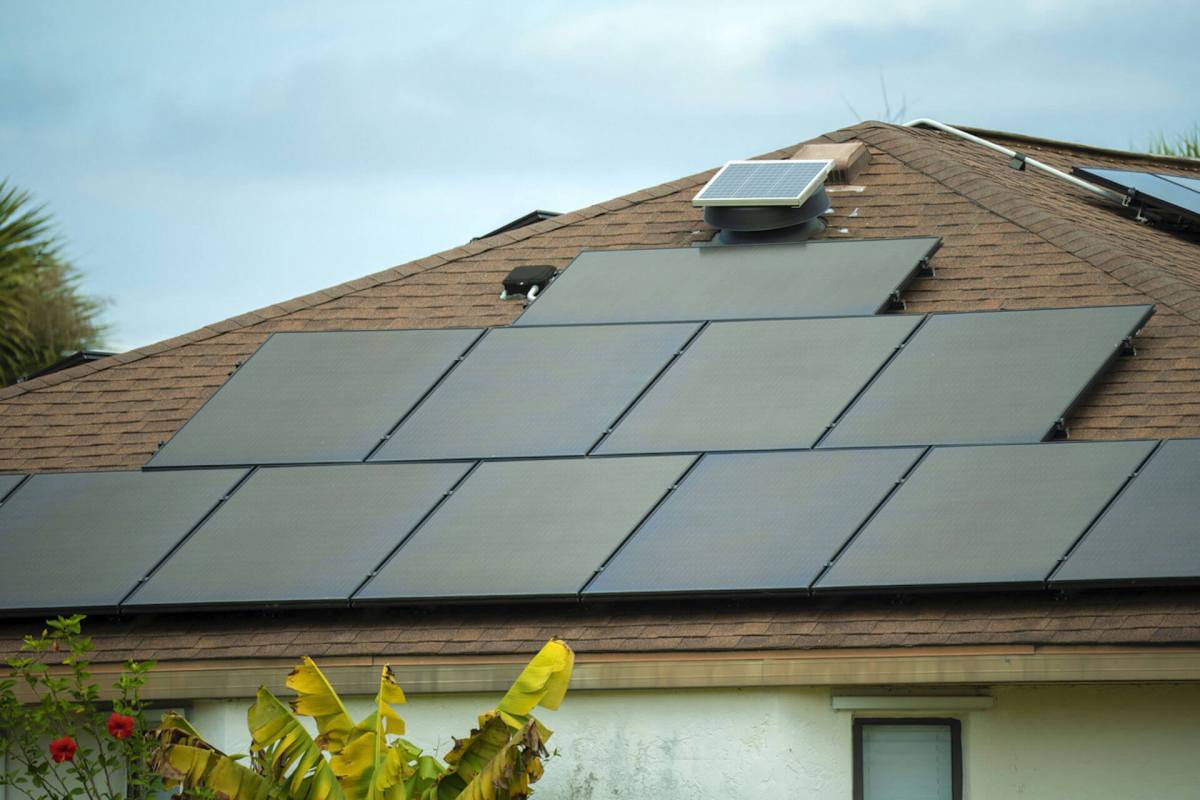
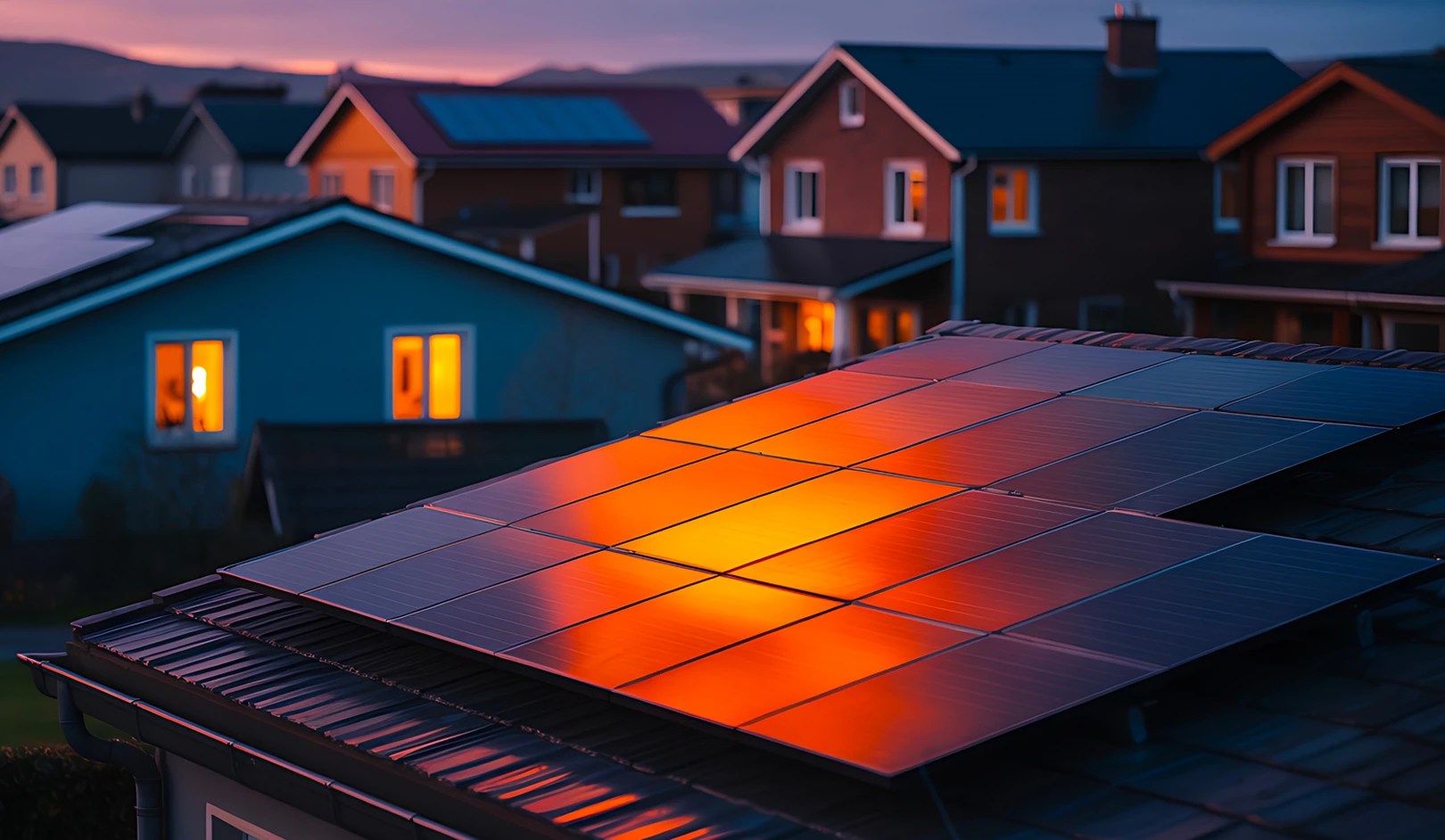

Adding battery storage to a solar setup is also one of the best ways to protect your home during outages, save money on energy, and go off-grid. Homeowners interested in pairing panels with backup power can explore EnergySage for information about home battery storage options, including competitive installation estimates.
Where can I learn more?
New York has not been the only state incentivizing residents, businesses, and local governments to help expand solar capacity.
• In California, officials have turned rooftop solar into relief for low-income households.
• In upstate New York, regulators approved a 100-megawatt solar project after reducing its footprint.
• In Georgia, officials launched a $156 million program offering free rooftop solar to homeowners.
• In Connecticut, lawmakers gave home batteries a major advantage as rooftop-solar incentives tightened.

Get TCD's free newsletters for easy tips, smart advice, and a chance to earn $5,000 toward home upgrades. To see more stories like this one, change your Google preferences here.






