


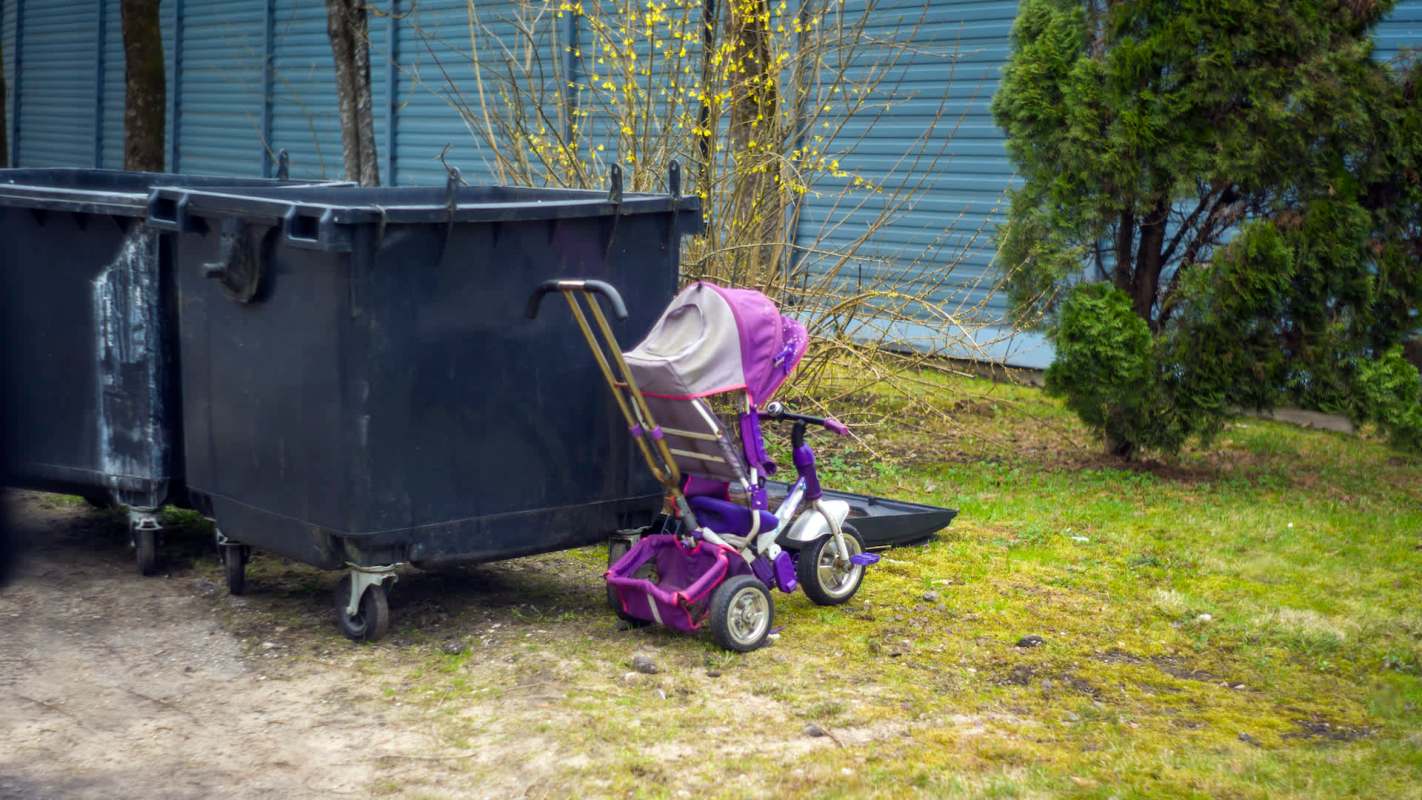
A pricey stroller left broken at the curb can look like nothing but waste; to New Yorker Darrick Lo, it can still be worth saving.
Rather than letting discarded household goods go to a landfill, Lo regularly salvages them, fixes them, and gives them away at no cost.
Here's what to know
According to the New York Post, Lo has built a reputation in Manhattan for retrieving tossed-out items such as strollers, chairs, and coffee grinders, repairing them, and then handing them off for free.
Plenty of useful goods get thrown out not because they are beyond repair, but because they need a replacement part, a deep cleaning, or a little patience. In Lo's case, he keeps usable products in circulation, while the people who receive them can avoid paying full price for items that are often expensive to buy new.
A stroller can be a major purchase for a family, and even relatively modest kitchen tools can add up over time. Extending the life of those products can help people save money while also reducing waste.
The Post reported that Lo's interest in repair started when he was young. He grew up in New Jersey and watched his mother use a Singer Stylist 534 from around 1975.
TCD Picks » Quince Spotlight
💡These best-sellers from Quince deliver affordable, sustainable luxury for all




More background
The value of the items often stands in sharp contrast to how quickly they are discarded. A broken high-end stroller may still have a solid frame. A grinder that no longer works may need only a simple fix. What appears to be junk on the curb can still contain valuable materials, labor, and utility.
Repair and reuse have become more appealing for many consumers. Constantly replacing products is expensive, and tossing them out contributes to a steady stream of waste that cities must collect, transport, and dispose of.
Many products have more life left in them than people may assume. Taking a moment to check whether an item can be repaired, donated, or passed along before discarding it can be a simple way to cut costs and reduce waste responsibly.
Lo's example also shows how repair knowledge can spread. Once one person learns how to replace a part or track down a manual, that knowledge can help keep multiple items in use, not just one.
What can be done?
A practical first step may simply be to pause before replacing something that is broken. Looking up a model number, searching for a service manual, or asking a repair shop whether a fix is possible can often cost less than buying something new.
Free community groups, neighborhood giveaway pages, and repair events can also help connect unwanted goods with people who can use or restore them. A chair with a loose joint or an appliance missing a small part may still be valuable to someone willing to put in a little effort.
Safety, however, still matters. Baby gear, electronics, and anything with structural or electrical damage should be checked carefully before being reused. Not every curbside item is worth bringing home, but many lightly damaged goods can be restored safely with the proper parts and knowledge.
For Lo, it starts with noticing value in things that others might dismiss. Speaking to The Post about fixing his mother's old sewing machine, he said: "It needed its hook and feed gears replaced because the original parts were made of materials that degrade over time."

Get TCD's free newsletters for easy tips, smart advice, and a chance to earn $5,000 toward home upgrades. To see more stories like this one, change your Google preferences here.







