


New Jersey is heading into a prolonged spell of dangerous heat, and many residents are facing two concerns at once: staying safe and avoiding a spike in electric bills.
What's happening?
According to WRNJ, the utility issued that advice as dangerously high temperatures are expected to continue across New Jersey through the week of June 29 through July 3.
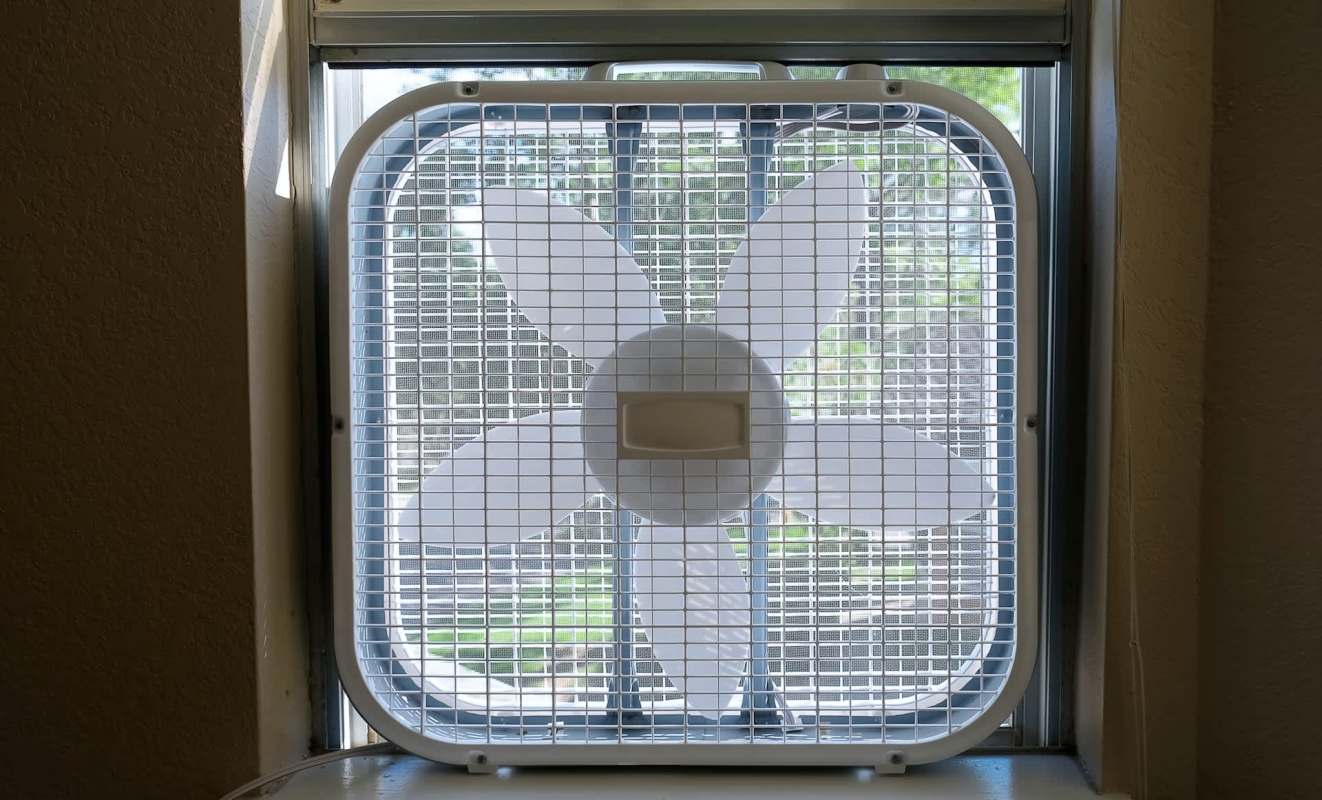
To help customers cope with the heat, FirstEnergy says people should rely on ceiling or box fans, keep blinds and curtains closed during the day, and avoid lowering the thermostat more than comfort requires.
It is also telling customers to save energy in areas they are not using by shutting off lights, fans, and window AC units there, and by closing doors and vents to those spaces.
FirstEnergy is also highlighting ways to keep homes from warming up unnecessarily. Running ovens, dishwashers, and washing machines during cooler morning or nighttime hours — and grilling outside instead of cooking indoors — can help reduce the strain on air conditioning.
For customers concerned about cost, the company said budget billing and other bill-assistance programs are available for people who need help paying their electric bills.
TCD Picks » Quince Spotlight
💡These best-sellers from Quince deliver affordable, sustainable luxury for all




Why does it matter?
Air conditioning is often the biggest driver of a summer electricity bill, so even small changes can make a difference.
Closing blinds, sealing air leaks, replacing HVAC filters, and disconnecting devices and chargers when they're not needed can all help reduce wasted energy and lower cooling costs over time.
The safety risks are equally significant. Prolonged extreme heat increases the risk of dehydration, heat exhaustion, and more serious heat-related illnesses, especially among older adults, young children, and people with underlying health conditions.
Extreme heat also puts added strain on the power grid.
What can I do?
Start by making your home easier to cool. Use fans alongside your AC, keep sunlight out during the hottest part of the day, and close off rooms that are not being used.
If you need to cook, do laundry, or run the dishwasher, moving those chores to cooler hours can make your home easier — and less expensive — to cool.
Safety should be part of the plan, too. Drink plenty of water, avoid strenuous outdoor activity during the hottest hours, and go to an air-conditioned location if your home gets too hot.
Cooling centers can offer relief, and it's important to check on neighbors, older relatives, and anyone with medical vulnerabilities.
If the power goes out, FirstEnergy says customers can report outages by phone at 1-888-LIGHTSS (1-888-544-4877), by texting OUT to LIGHTS (544487), or through firstenergycorp.com/outages.
The company also says customers can sign up for outage alerts by texting REG to 544487 and receive status updates by texting STAT to the same number.
A box fan, closed blinds, and a trip to a cooling center are among the steps FirstEnergy is recommending this week.

Get TCD's free newsletters for easy tips, smart advice, and a chance to earn $5,000 toward home upgrades. To see more stories like this one, change your Google preferences here.






