



A new homeowner traced a sluggish dryer to a hidden issue just weeks after moving in. Left undiscovered, it could have become a serious fire hazard.
They posted a photo on Reddit of a vent nearly filled with lint and added, "Certainly saved a fire scare."
What happened?
After realizing the dryer "wasn't working well," the homeowner investigated and uncovered the cause. The vent was so clogged with lint from years of buildup that airflow had been severely limited, leaving the appliance less efficient and potentially much more dangerous to use.
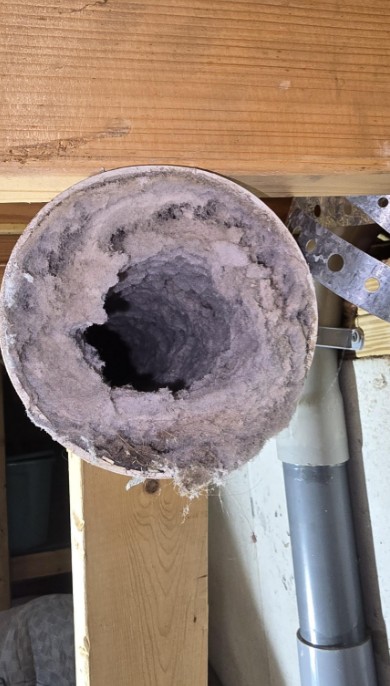
One commenter sarcastically wrote, "Don't ruin it! Think of how many years the previous owner has been working on this for. It's almost complete."
The replies also suggested that a lot of people did not know dryer vents are supposed to be cleaned regularly.
"Uhhh what?" one commenter said. "Do we all have a pipe like this that we are supposed to be cleaning out periodically?!"
TCD Picks » Quince Spotlight
💡These best-sellers from Quince deliver affordable, sustainable luxury for all




Why does it matter?
A blocked dryer vent carries much more risk than just a weak dryer.
When airflow is reduced, the dryer may need to run longer and at higher heat to finish a load. That can use more electricity, put extra strain on the machine, and raise the risk of fire because lint burns easily.
Higher energy use can also show up in household bills.
Keeping the vent clear can cut down on extra cycles, reduce how much heat builds up in the laundry area, and help clothes dry properly the first time.
This is a simple bit of upkeep that can pay off in both safety and cost.
What can I do?
A good place to start is by looking for signs that your dryer is struggling.
Longer drying times, unusual heat from the machine, or a humid laundry room during a cycle can all point to a clogged vent.
If you suspect a blocked vent, empty the lint trap after each load, check the vent hose behind the dryer, and confirm that the exterior vent flap opens while the machine is running.
If the vent path is long, difficult to reach, or badly blocked, hiring a professional may be the safer option.
Where it makes sense, swapping out flimsy accordion-style venting for rigid or semi-rigid metal ducting can help too, since smoother interior walls usually hold less lint and improve airflow.
As one commenter stated, "This is one of the top reasons homes catch fire."

Get TCD's free newsletters for easy tips, smart advice, and a chance to earn $5,000 toward home upgrades. To see more stories like this one, change your Google preferences here.






